Downloadable Book
 Downloadable Book
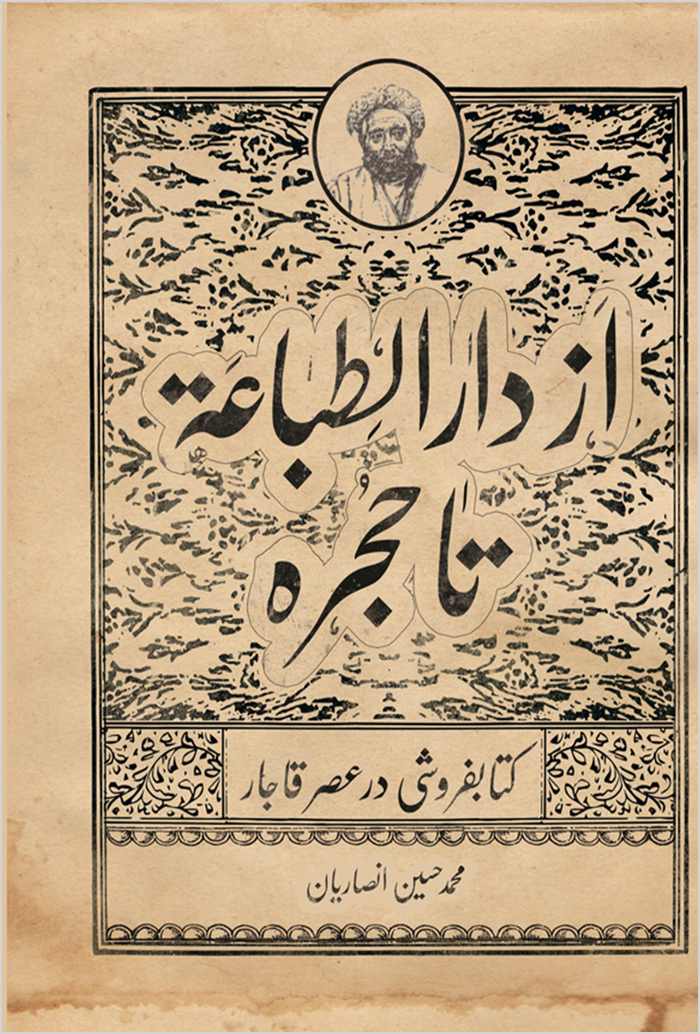
Az Dār al-Ṭibāʻah tā ḥujrah: kitābfurūshī dar ʻaṣr-i Qājār
از دارالطباعة تا حجره: کتابفروشی در عصر قاجار
Price range: £11.05 through £31.00
This study traces the emergence of the book trade in Iran from the introduction of the printing press under the Qājārs to the spread of lithography and letterpress printing across the country. Beginning with the earliest typographic presses and printed volumes in Tabrīz, Tihrān, and Iṣfahān, the work follows the growth of lithography and the social and economic circumstances behind its popularity. A central section surveys booksellers and bookshops in Tihrān, Iṣfahān, Shīrāz, and Tabrīz, drawing on shop notices, newspaper advertisements, and colophon inscriptions to reconstruct everyday trade practices — pricing, binding, royalties, and the sale of books both bound and unbound. A further chapter traces the long import history of Persian-language printed books from India, Afghanistan, the Ottoman lands, and Egypt, and from European presses in the Netherlands, Russia, England, Germany, and France.
این پژوهش به بررسی شکلگیری و گسترش صنعت نشر و کتابفروشی در ایران، از ورود دستگاه چاپ در دوره قاجار تا رونق چاپ سنگی و سربی در سراسر کشور میپردازد. نویسنده با آغاز از نخستین چاپخانهها و کتابهای چاپ سربی در تبریز، تهران و اصفهان، مسیر گسترش چاپ سنگی و زمینههای اجتماعی و اقتصادی رواج آن را دنبال میکند. بخشی مهم از کتاب به معرفی کتابفروشان و کتابخانههای تهران، اصفهان، شیراز و تبریز اختصاص دارد و با تکیه بر آگهیهای روزنامهای، یادداشتهای پایان کتاب و اسناد کتابفروشی، شیوههای رایج قیمتگذاری، صحافی، حقالتألیف و فروش کتاب با جلد یا بدون جلد را بازمینمایاند. فصلی دیگر نیز به پیشینه ورود کتابهای فارسیزبان چاپشده در هند، افغانستان، عثمانی، مصر و کشورهای اروپایی از جمله هلند، روسیه، انگلستان، آلمان و فرانسه میپردازد. این اثر با اتکا بر یادداشتهای اصیل نسخ خطی و صفحات پایانی کتابهای چاپی، تصویری روشن از چگونگی گردش، ارزشگذاری و گردآوری کتاب در جامعه ایران عصر قاجار به دست میدهد.
Related products