Downloadable Book
 Downloadable Book
Ahvāz, shahr-i pulʹhā
اهواز شهر پلها
Price range: £13.60 through £37.00
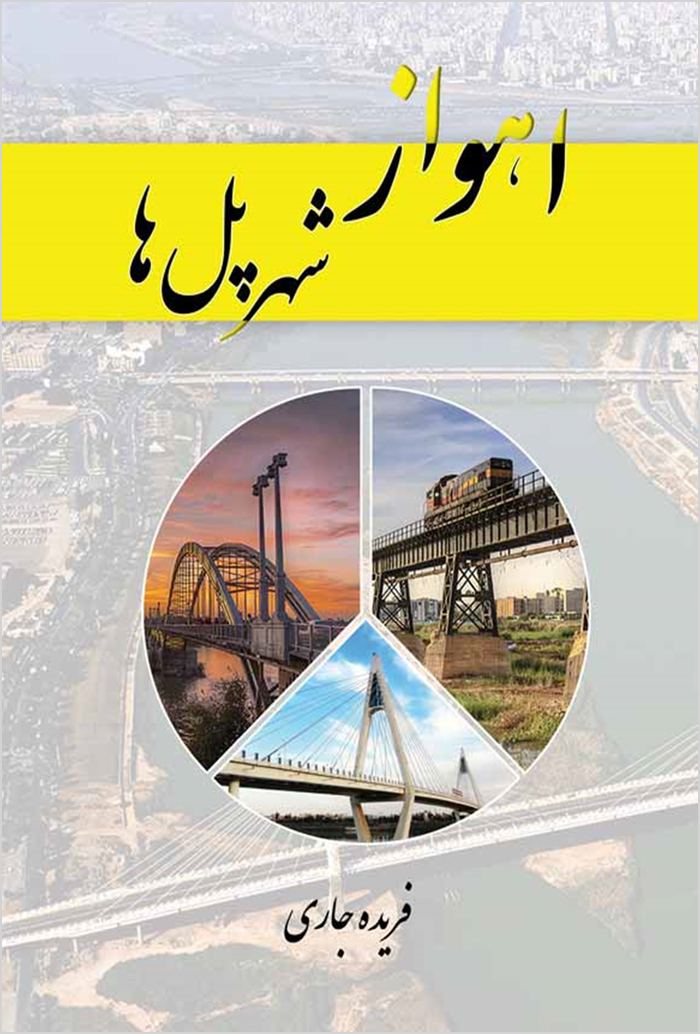
Farīdah Jārī’s Ahvāz, shahr-i pulʹhā is a documented study of Ahvāz through the history, construction, functions and urban meanings of its bridges. The work opens with the historical geography and development of the city, then considers the Second World War, the Allied occupation, railway expansion and the strategic role of river crossings. Subsequent chapters trace bridges from early structures and temporary crossings to modern projects, including the White Bridge, railway bridges, the cable-stayed bridge and other crossings over the Kārūn. Jārī also surveys buildings and institutions associated with the city’s modern growth, placing bridges within a broader account of transport, industry, public services and urban change. Illustrations and photographs support the historical narrative, while the bibliography provides a substantial guide to sources on Ahvāz, Khūzistān and Iranian bridge history.
کتاب «اهواز شهر پلها» نوشتهٔ فریده جاری پژوهشی دربارهٔ تاریخ شهری اهواز با تمرکز بر پلهای ساختهشده بر رود کارون است. نویسنده در آغاز، جغرافیای تاریخی و روند شکلگیری شهر را بررسی میکند و سپس به رویدادهای جنگ جهانی دوم، حضور متفقین، گسترش راهآهن و اهمیت راهبردی گذرگاههای رودخانهای میپردازد. بخش اصلی کتاب سیر تحول پلهای اهواز را از گذرگاهها و سازههای قدیمی تا پل سفید، پلهای راهآهن، پل کابلی و دیگر پلهای معاصر دنبال میکند و نقش هر یک را در ارتباطات و توسعهٔ شهری نشان میدهد. کتاب همچنین مجموعهای از بناها، مراکز آموزشی، درمانی، صنعتی و خدماتی شهر را معرفی میکند تا تصویر پلها در بستر تاریخ اجتماعی و کالبدی اهواز قرار گیرد. تصاویر و عکسهای متعدد و کتابنامهٔ پایانی، اثر را به منبعی مفید برای مطالعهٔ اهواز، خوزستان، تاریخ معماری پل و تحولات شهری ایران تبدیل کرده است. توجه به پیشینهٔ محلهها، تأسیسات شهری و مکانهای شاخص نیز به خواننده امکان میدهد پیوند میان رودخانه، شبکهٔ حملونقل و شکلگیری سیمای معاصر اهواز را بهتر دنبال کند.
Related products

Book