Downloadable Book
 Downloadable Book
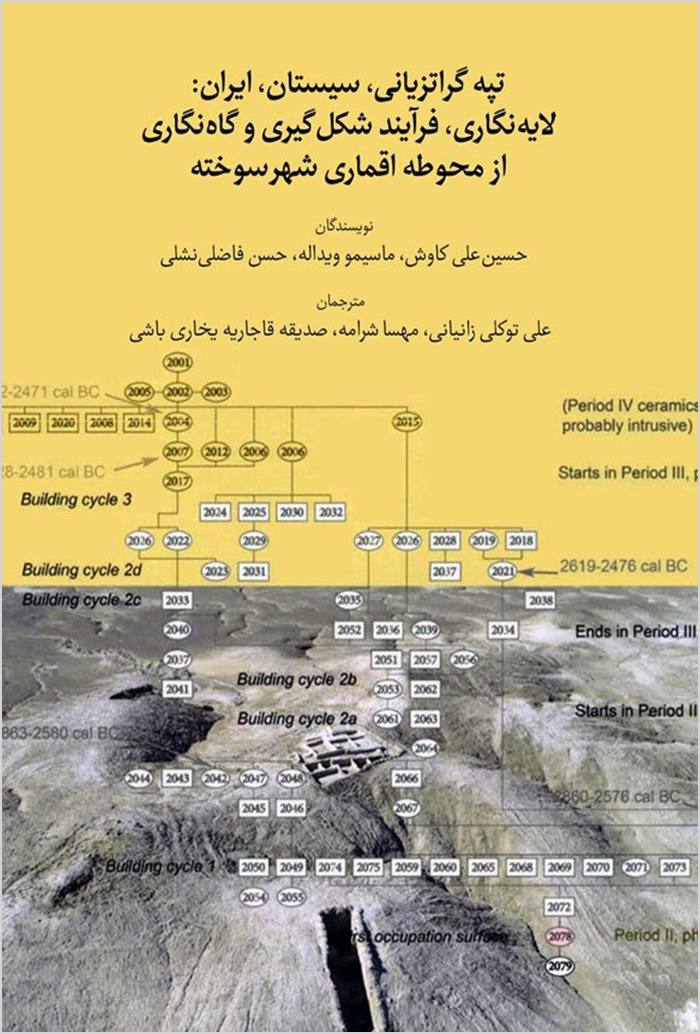
Tappah-i Grātziyānī, Sīstān, Īrān: lāyahʹnigārī, farāyand-i shiklʹgīrī va gāhnigārī az maḥavvaṭah-i aqmārī-i Shahr-i Sūkhtah
تپه گراتزیانی، سیستان، ایران: لایهنگاری، فرآیند شکل گیری و گاهنگاری از محوطه اقماری شهرسوخته
Price range: £12.33 through £34.00
This study examines the stratigraphy, formation processes and chronology of Tappah-i Grātziyānī, a satellite settlement of Shahr-i Sūkhtah in the Sistan plain of southeastern Iran. It brings together early Italian archaeological surveys and more recent excavations to reconstruct the development of the site and its place within a wider Bronze Age settlement landscape. The chapters consider excavation contexts, ceramic sequences, relative chronology and radiocarbon dates, alongside small finds, specialised artefacts and animal remains. These different bodies of evidence provide complementary approaches to occupation, building activity and the ordering of successive phases. Photographs, maps, tables and illustrations accompany the discussion, and a bibliography supports further investigation. The Persian translation makes this collaborative research accessible to readers interested in the archaeology of Sistan, settlement formation and the material culture of early urban communities.
این پژوهش به بررسی لایهنگاری، فرایند شکلگیری و گاهنگاری تپه گراتزیانی، از محوطههای اقماری شهر سوخته در دشت سیستان، میپردازد. نویسندگان با کنار هم گذاشتن نتایج بررسیهای اولیه هیئت باستانشناسی ایتالیایی و کاوشهای جدیدتر، شواهد مربوط به استقرار و دگرگونی این محوطه را تحلیل میکنند. فصلهای کتاب از معرفی زمینه جغرافیایی و پیشینه پژوهش آغاز میشود و سپس به محوطه و کاوشها، توالی سفال، گاهنگاری نسبی، تاریخگذاری رادیوکربن و گاهنگاری مطلق میرسد. یافتههای کوچک، مصنوعات خاص و بقایای جانوری نیز در بخشهای جداگانه بررسی شدهاند تا تصویری چندجانبه از دادههای باستانشناختی فراهم آید. تصاویر، عکسها، نقشهها و جدولها به توضیح بافتها و یافتهها کمک میکنند و فهرست منابع امکان پیگیری مطالعات مرتبط را میدهد. این ترجمه فارسی برای پژوهشگران باستانشناسی سیستان و علاقهمندان به استقرارهای عصر مفرغ، فرهنگ مادی و ارتباط میان مراکز شهری و محوطههای پیرامونی سودمند است و جایگاه تپه گراتزیانی را در چشمانداز باستانی منطقه روشنتر میکند.
Related products