Downloadable Book
 Downloadable Book
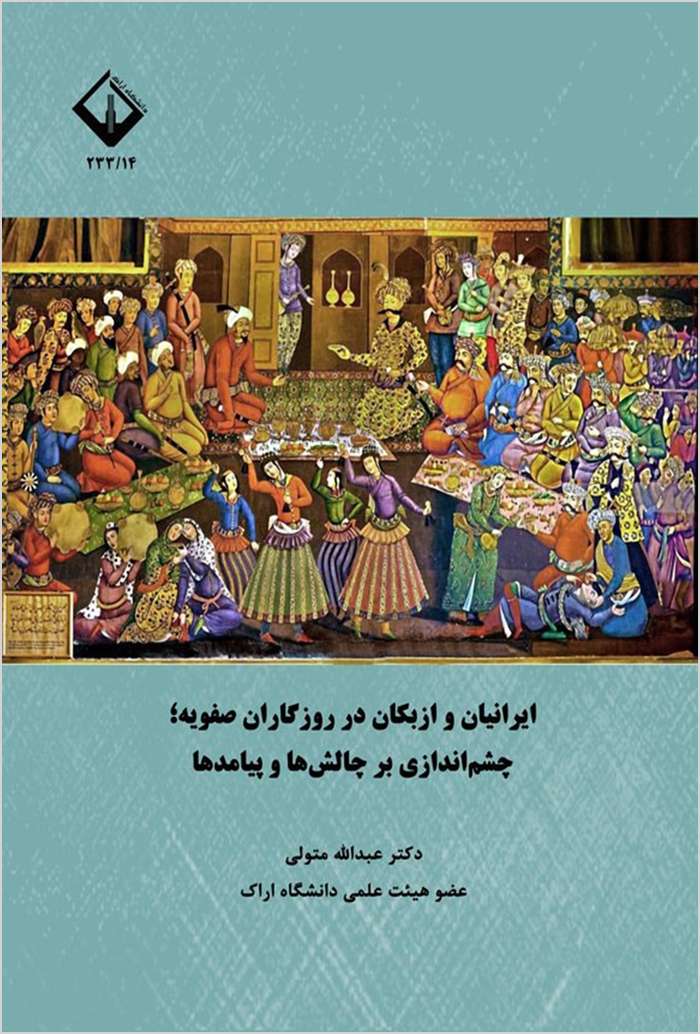
Īrāniyān va Uzbakān dar rūzgārān-i Ṣafavīyah: chashmʹandāzī bar chālishʹhā va payāmadhā
ایرانیان و ازبکان در روزگاران صفویه: چشماندازی بر چالشها و پیامدها
Price range: £9.78 through £28.00
Īrāniyān va Uzbakān dar rūzgārān-i Ṣafavīyah, by ʻAbd Allāh Mutavallī, examines the encounters between Safavid Iran and the Uzbek powers of Transoxiana. Beginning with the region’s geography, population and political transformations, it follows relations from the rise of Shah Ismaʻil through the reigns of Shah Tahmasp and Shah ʻAbbas to the closing years of the Safavid dynasty. Military campaigns and repeated incursions into Khurasan are considered alongside negotiations, political refuge and changing regional balances. Particular attention is given to correspondence between rulers, treating letters as instruments of threat, persuasion and diplomacy. The final chapter assesses the consequences of warfare for Khurasan, including loss of life, disruption of social structures, famine, interrupted trade, damage to agriculture and intensified religious differences. Maps and references support a study of conflict, interaction and the regional effects of Safavid–Uzbek rivalry.
کتاب «ایرانیان و ازبکان در روزگاران صفویه: چشماندازی بر چالشها و پیامدها» نوشته عبدالله متولی، مناسبات صفویان و قدرتهای ازبک در ماوراءالنهر را از منظر برخوردهای نظامی، تعاملات سیاسی و مکاتبات فرمانروایان بررسی میکند. نویسنده ابتدا ویژگیهای جغرافیایی، ترکیب قومی و تحولات سیاسی منطقه را توضیح میدهد و سپس روابط دو طرف را از آغاز فرمانروایی شاهاسماعیل تا پایان دوره صفویه دنبال میکند. یورشهای ازبکان به خراسان، نبرد غجدوان، سقوط و بازپسگیری هرات و سیاستهای شاهتهماسب و شاهعباس از محورهای اصلی کتاب است. بخشی از بحث به نامههای مبادلهشده میان فرمانروایان اختصاص دارد و نقش تهدید، مذاکره و دیپلماسی را در تشدید یا مهار درگیریها نشان میدهد. فصل پایانی پیامدهای جنگ برای خراسان را با توجه به تلفات انسانی، آشفتگی ساختارهای اجتماعی، قحطی، اختلال در تجارت، تخریب کشاورزی و افزایش اختلافات مذهبی تحلیل میکند. نقشهها و منابع پایانی، زمینه مطالعه پیوند تاریخ سیاسی و نظامی با دگرگونیهای اجتماعی و اقتصادی این منطقه را فراهم میآورند.
Related products