Downloadable Book
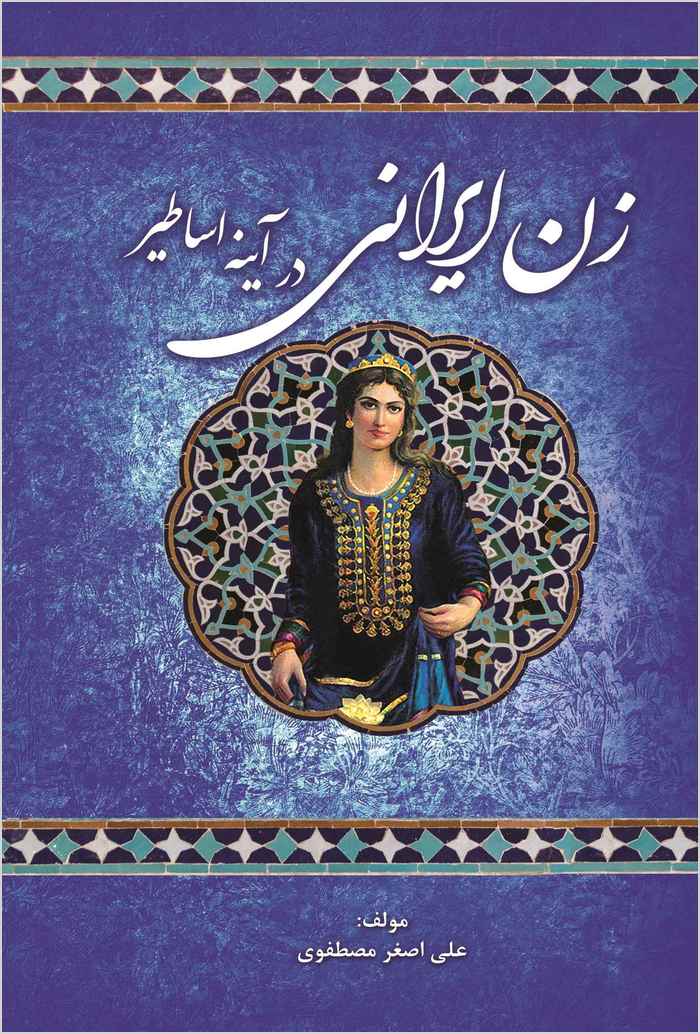
Zan-i Īrānī dar āyīnah-yi asāṭīr
زن ایرانی در آیینه اساطیر
Price range: £15.00 through £37.50
 Sample pages
This comprehensive examination of women in Iranian mythology stands as a significant contribution to Persian religious and cultural studies, addressing a long-neglected dimension of pre-Islamic Iranian spiritual tradition. Muṣṭafavī's systematic analysis traces the evolution of female representation in Zoroastrian and ancient Persian sources, demonstrating how goddess figures such as Anāhītā held positions of supreme authority in the Iranian pantheon. The work challenges conventional narratives by showcasing the elevated status accorded to women in Iranian mythological consciousness, contrasting sharply with later patriarchal interpretations. Through careful examination of Avestan texts, archaeological evidence, and comparative mythological analysis, the author reveals how Iranian civilisation honoured feminine divinity as fundamental to cosmic order and human prosperity. This scholarly investigation provides crucial insights into the indigenous Iranian worldview before external cultural influences altered traditional gender paradigms, making it an essential resource for understanding the authentic spiritual heritage of ancient Īrān.
این بررسی جامع زنان در اساطیر ایرانی یکی از مهمترین آثار در زمینه مطالعات دینی و فرهنگی فارسی محسوب میشود که به بُعد مغفول مانده سنت معنوی پیش از اسلام ایران پرداخته است. تحلیل نظاممند مصطفوی تحول تصویر زن در منابع زرتشتی و فارسی باستان را پیگیری میکند و نشان میدهد که چگونه شخصیتهای ایزد بانو مانند آناهیتا در پانتئون ایرانی موقعیتهایی برتر داشتند. این اثر روایتهای مرسوم را به چالش میکشد و جایگاه والای اعطا شده به زنان در آگاهی اسطورهای ایرانی را به نمایش میگذارد که در تضاد آشکار با تفسیرهای مردساIر بعدی قرار دارد. نویسنده از طریق بررسی دقیق متون اوستایی، شواهد باستانشناسی و تحلیل مقایسهای اساطیری، روشن میسازد که تمدن ایرانی الوهیت زنانه را بهعنوان بنیاد نظم کیهانی و رفاه انسانی پاس میداشت. این پژوهش علمی بینشهای مهمی درباره جهانبینی بومی ایرانی پیش از تأثیرات فرهنگی بیگانه که الگوهای سنتی جنسیتی را دگرگون ساخت ارائه میدهد.
Related products