Downloadable Book
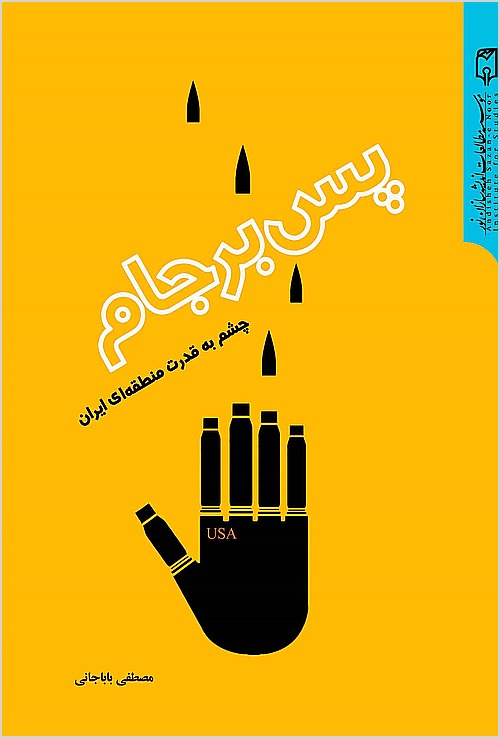
Pas barjām: chashm bih qudrat-i minṭaqah-ʼī-i Īrān
پس برجام ؛ چشم به قدرت منطقه ای ایران
Price range: £9.50 through £24.00
 Sample pages
"Pas barjām ; chashm bih qudrat-i minṭaqah-ʼī-i Īrān" by Muṣṭafá Bābājānī offers a profound analysis of the Joint Comprehensive Plan of Action (JCPOA) and its strategic ramifications for Īrān's influence across the Middle East. Through a meticulous examination of diplomatic history, the author explores how Western narratives of 'Īrān-phobia' have shaped international relations and policy decisions. The text delves into the dynamics of the 'Axis of Resistance', detailing the geopolitical shifts involving Lebanon, Syria, Iraq, and Yemen following the nuclear agreement. Bābājānī argues that the JCPOA was not merely a non-proliferation treaty, but an ideological and structural mechanism intended to manage Īrān's regional power. This comprehensive study provides invaluable insights for scholars of political science, Middle Eastern history, and international diplomacy, shedding light on the intricate balance of power and the future of global politics in the post-JCPOA era.
کتاب «پس برجام؛ چشم به قدرت منطقهای ایران» نوشته مصطفی باباجانی، تحلیلی عمیق از برنامه جامع اقدام مشترک (برجام) و پیامدهای راهبردی آن بر نفوذ ایران در سراسر خاورمیانه ارائه میدهد. نویسنده با بررسی دقیق تاریخ دیپلماسی، چگونگی شکلگیری رویکردهای ایرانهراسی توسط کشورهای غربی و تاثیر آن بر سیاستگذاریهای بینالمللی را موشکافی میکند. این اثر به بررسی پویاییهای «محور مقاومت» پرداخته و تحولات ژئوپلیتیک مرتبط با لبنان، سوریه، عراق و یمن را پس از توافق هستهای تبیین میسازد. باباجانی استدلال میکند که برجام صرفاً یک معاهده عدم اشاعه نبوده، بلکه سازوکاری ایدئولوژیک و ساختاری برای مهار قدرت منطقهای ایران محسوب میشود. این مطالعه جامع، بینشهای ارزشمندی را برای پژوهشگران علوم سیاسی، تاریخ خاورمیانه و دیپلماسی بینالمللی فراهم آورده و زوایای پنهان موازنه قدرت و آینده سیاست جهانی در دوران پسابرجام را روشن میسازد.
Related products
Book
Sināriyū-yi ulgū-yi khalʻ-i silāḥ-i hastahʹī-i Lībī dar Īrān va irāʼah-ʼi rāhkārhā-yi muqābilah