Downloadable Book
 Downloadable Book
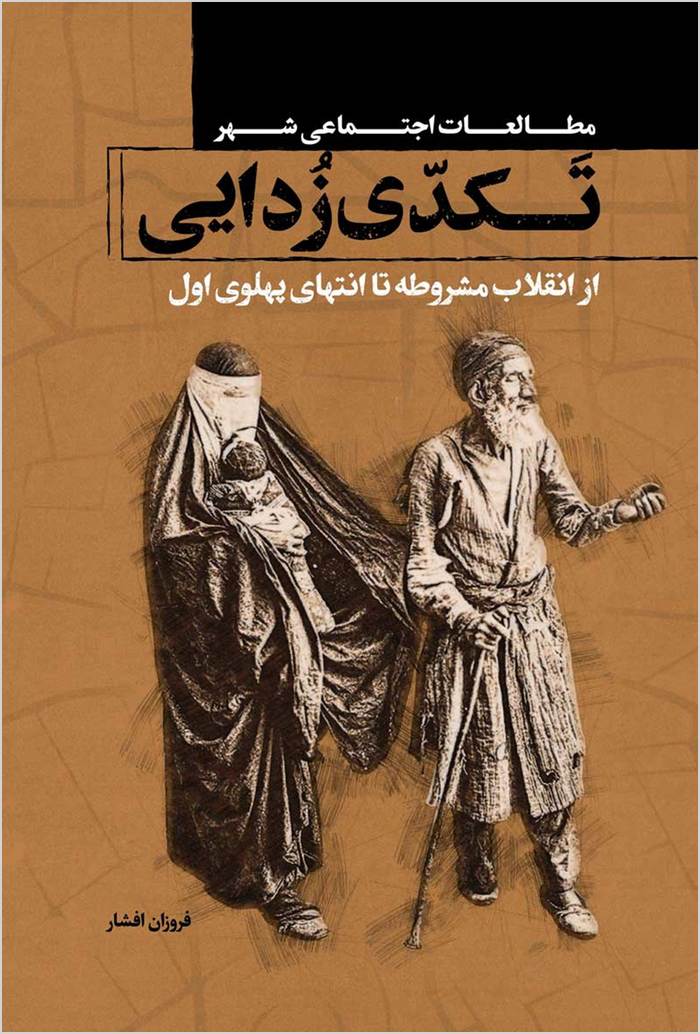
Takaddī-zudāyī: az inqilāb-i mashrūṭah tā intihā-yi Pahlavī-i avval
تکدیزدایی: از انقلاب مشروطه تا انتهای پهلوی اول
Price range: £8.50 through £25.00
This urban social study traces how begging in Īrān was transformed from an age-old presence into a problem to be policed, measured and managed by the modern state. Spanning the period from the Constitutional Revolution to the abdication of Riz̤ā Shāh, Furūzān Afshār reconstructs a now-forgotten administrative and discursive apparatus through which officials sought to reshape the relationship between the state and the urban poor. Drawing on the sparse bureaucratic records, press reports and travel memoirs that survive, the author examines the rounding-up of beggars, the financing and running of almshouses, workhouses and shelters, and the recurrent flight of inmates from these institutions. Far from a simple tale of success or failure, the book reads this machinery as a tense and uneven historical formation, and in doing so reframes the obscure origins of welfare and social policy in modern Īrān. A meticulous and analytically alert contribution to the social history of poverty.
این پژوهش در حوزهی مطالعات اجتماعی شهر نشان میدهد که گدایی در ایران چگونه از پدیدهای دیرپا به مسئلهای بدل شد که دولت مدرن میکوشید آن را زیر نظر بگیرد، شماره کند و سامان دهد. فروزان افشار، با تمرکز بر دورهای که از انقلاب مشروطه تا کنارهگیری رضاشاه ادامه دارد، شبکهای اداری و گفتمانی از یادرفته را بازسازی میکند که از خلال آن مأموران در پی دگرگونساختن مناسبات میان دولت و فرودستان شهر بودند. نویسنده با تکیه بر اسناد بوروکراتیک کمشمار، گزارشهای مطبوعاتی و سفرنامهها، به جمعآوری گدایان، تأمین مالی و ادارهی نوانخانهها، دارالعجزهها و گرمخانهها، برآورد جمعیت متکدیان و گریز پیاپی نگهداشتگان از این نهادها میپردازد. این کتاب، بهجای آنکه داستانی ساده از کامیابی یا شکست باشد، این سازوکار را همچون صورتبندیای تاریخی و پرتنش میخواند و بدینسان خاستگاه مهآلود رفاه و کنترل اجتماعی و سیاستگذاری اجتماعی را در ایران مدرن از نو روشن میسازد. اثری دقیق و موشکافانه در تاریخ اجتماعی فقر و تهیدستی شهری.
Related products