Downloadable Book
 Downloadable Book
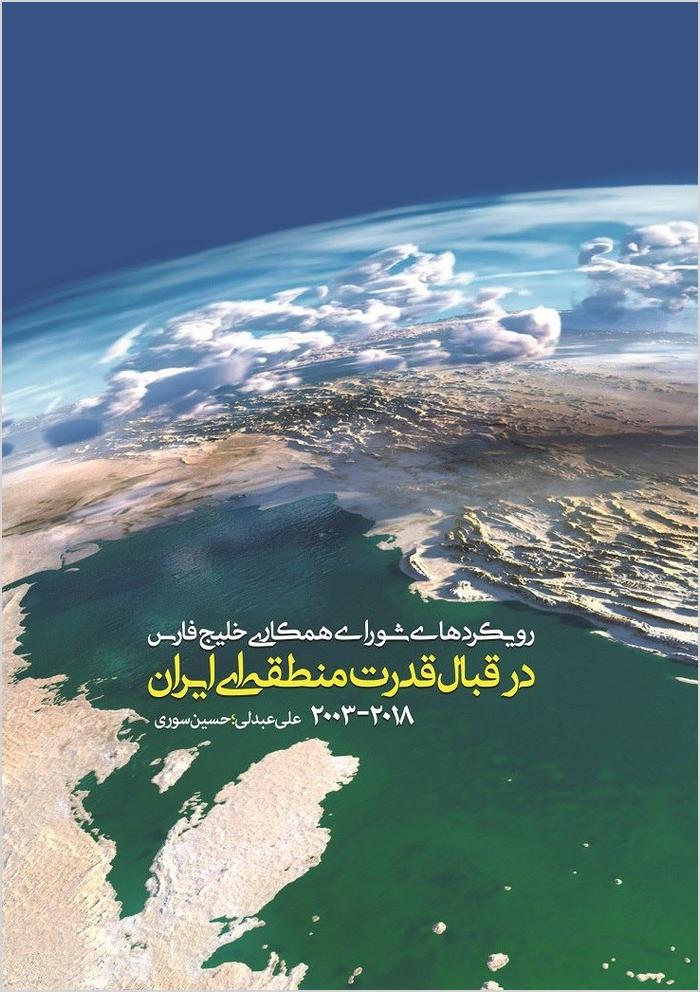
Rūykardʹhā-yi Shūrā-yi Hamkārī-i Khalīj-i Fārs dar qabāl-i qudrat-i minṭaqahʹī-i Īrān (2003-2018)
رویکردهای شورای همکاری خلیج فارس در قبال قدرت منطقه ای ایران (۲۰۰۳-۲۰۱۸)
Price range: £9.50 through £24.00
"Rūykardʹhā-yi Shūrā-yi Hamkārī-i Khalīj-i Fārs dar qabāl-i qudrat-i minṭaqahʹī-i Īrān (2003-2018)" offers a profound analysis of the geopolitical dynamics shaping the Middle East. Authored by ʻAlī ʻAbdulī and Ḥusayn Sūrī, this insightful volume investigates the strategic responses of the Gulf Cooperation Council (GCC) to the ascending regional influence of Īrān over a crucial fifteen-year period. Grounded in the theoretical framework of offensive realism, the text meticulously unpacks the ideological, military, and diplomatic facets of Īrān's presence in the region, including its capabilities and alliances. Concurrently, it scrutinises the GCC's countermeasures, from regional balancing and securitisation to alignment with international sanctions. Essential reading for scholars of international relations and political science, this comprehensive study provides a nuanced understanding of the enduring complexities and security architectures defining the Persian Gulf.
کتاب «رویکردهای شورای همکاری خلیج فارس در قبال قدرت منطقهای ایران (۲۰۰۳-۲۰۱۸)» تحلیلی عمیق از پویاییهای ژئوپلیتیکی خاورمیانه ارائه میدهد. این اثر ارزشمند به قلم علی عبدلی و حسین سوری، به بررسی واکنشهای راهبردی شورای همکاری خلیج فارس در برابر نفوذ منطقهای فزاینده ایران طی یک دوره حساس پانزده ساله میپردازد. این متن با تکیه بر چارچوب نظری واقعگرایی تهاجمی، ابعاد ایدئولوژیک، نظامی و دیپلماتیک حضور ایران در منطقه، از جمله توانمندیها و اتحادهای آن را به دقت واکاوی میکند. همزمان، اقدامات متقابل شورای همکاری خلیج فارس، از موازنهسازی منطقهای و امنیتیسازی تا همراهی با تحریمهای بینالمللی را مورد کنکاش قرار میدهد. این مطالعه جامع که خواندن آن برای پژوهشگران روابط بینالملل و علوم سیاسی ضروری است، درک دقیقی از پیچیدگیهای پایدار و معماری امنیتی خلیج فارس به دست میدهد.
Related products