Downloadable Book
 Downloadable Book
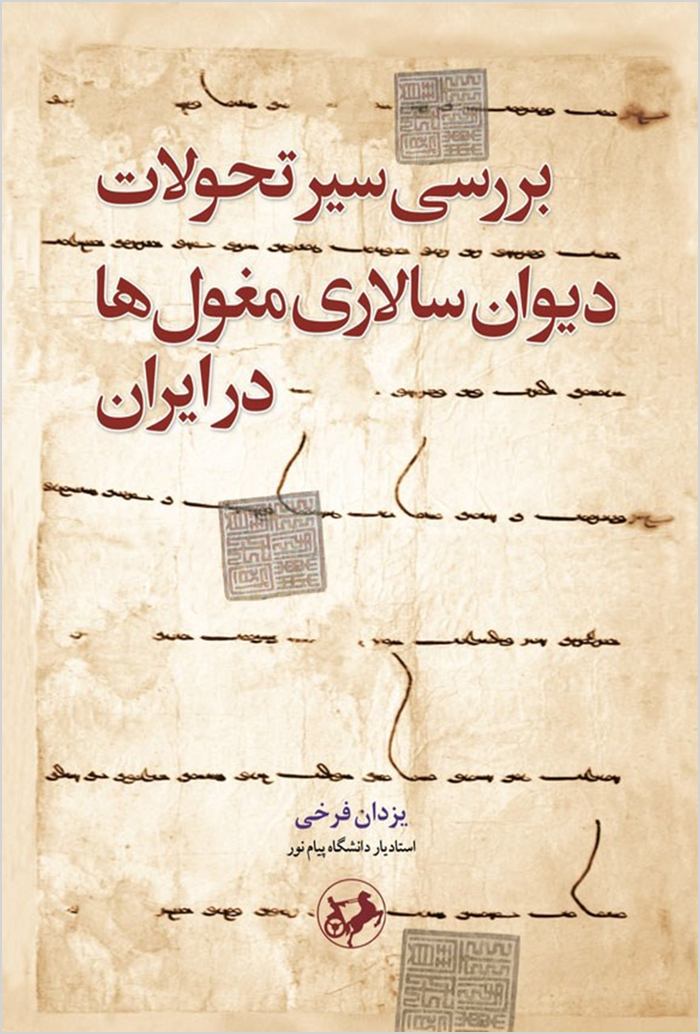
Barrasī-i sayr-i taḥavvulāt-i dīvānʹsālārī-i Mughūlʹhā dar Īrān
بررسی سیر تحولات دیوانسالاری مغولها در ایران
Price range: £12.75 through £35.00
Yazdān Farrukhī examines the development of bureaucracy in Īrān under Mongol governors and the Ilkhans, tracing the encounter between Iranian administrative practices and institutions introduced by the conquerors. The study considers the legacy of the Khwarazmshahs, Khitan traditions and the regulations associated with Chinggis Khan before following changes under successive rulers. Its chronological account extends from the early Mongol governors to Hülegü and his successors, then addresses the transformations associated with Ghazan, Öljeitü and Abū Saʻīd. Particular attention falls on senior officials, the authority of the chief minister and relations between Iranian, Mongol and Khitan administrative elements. The discussion connects institutional change with political power and cultural interaction, while assessing the difficulties of reconstructing administrative history from narrative sources. Bibliographical references and thematic indexes support further investigation.
یزدان فرخی در این پژوهش روند شکلگیری و دگرگونی دیوانسالاری ایران در روزگار حاکمان مغول و ایلخانان را بررسی میکند. مسئله اصلی کتاب، چگونگی برخورد سنتهای اداری ایرانی با شیوهها و نهادهایی است که فاتحان مغول به ایران آوردند. نویسنده ابتدا مفاهیم، پرسشها و منابع تحقیق را معرفی میکند و سپس به میراث دیوانی خوارزمشاهیان، سنتهای ختایی و نقش یاساهای چنگیزخان میپردازد. در ادامه، سازمان اداری در دوره حاکمانی چون چینتمور، نوسال، کورگوز و ارغون آقا و پس از آن در عهد هلاکو و جانشینانش دنبال میشود. بخش دیگری از بحث به تحولات دوره غازان، اولجایتو و ابوسعید اختصاص دارد و تغییر جایگاه کارگزاران ایرانی و گسترش اختیارات صاحبدیوان را در پیوند با سیاست فرمانروایان تحلیل میکند. توجه کتاب بیشتر به مقامات بلندپایه و تعامل عناصر ایرانی، مغولی و ختایی معطوف است. نقد روایتهای تاریخی و دشواری استخراج اطلاعات دیوانی از منابع نیز در طرح پژوهش جای دارد. منابع و نمایههای نامها، مکانها، کتابها، مشاغل و اصطلاحات، پیگیری موضوعات را برای پژوهشگران تاریخ ایران آسانتر میکند.
Related products