Downloadable Book
 Downloadable Book
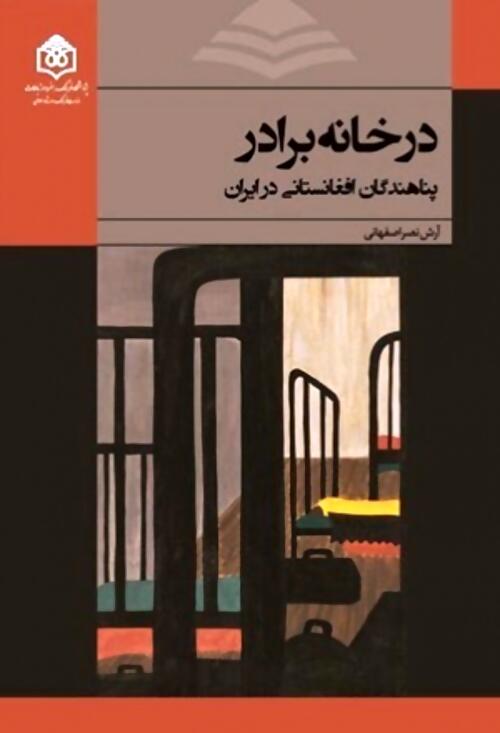
Dar khānah-i barādar: Panāhandigān-i Afghānistānī dar Īrān
In Brother's Home: Afghan Refugees in Iran
در خانه برادر: پناهندگان افغانستانی در ایران
Price range: £9.14 through £26.75
This book reviews four decades of the Islamic Republic of Iran’s policies toward Afghan migrants and refugees, while reconstructing life in Iran as seen by Afghans themselves. Blending policy analysis with impartial sociology, it argues for revisiting migration governance and sketches practical routes out of the present impasse. At its centre is a question: why does Iran remain a “khānah-yi barādar” — a brother’s house — rather than a home for Afghans; why are they still treated as “guests,” and who gains from that insistence? The study also shows how Iranian society’s dealings with Afghans reveal features of popular culture and social attitudes. Chapters include “Refugees and the Politics of Return,” “Refugees and the Policy of Regulation,” “Discrimination and Violence in Everyday Life,” and “Structural Discrimination and Social Mobility,” offering a concise, evidence-led guide for students, researchers and policymakers.
این کتاب ضمن مرور سیاستهای دولت جمهوری اسلامی ایران در قبال مهاجران و پناهندگان افغانستانی، طی چهار دهه گذشته، تجربه زندگی در ایران را از نگاه افغانستانیها بررسی کرده است. پژوهشگر این اثر با تحلیلی بر وضعیت مهاجران و پناهندگان افغانستانی در ایران، به موضوع بازنگری در سیاستهای مهاجرتی و امکانهای موجود برای خروج از وضعیت کنونی میپردازد.
هدف اصلی کتاب این است نشان دهد چرا ایران همچنان برای افغانستانیها «خانه برادر» است و خانه خودشان نشده است؛ چرا هنوز مهماناند و بهعنوان صاحبخانه پذیرفته نمیشوند و مهمتر اینکه اصرار بر مهمانبودن افغانستانیها منافع چه کسانی را تأمین میکند.
به استناد این کتاب، نحوه مواجهه جامعه ایران با «افغانستانیها»، نکات مهمی را درباره فرهنگ عامه ایرانیان نیز آشکار میسازد.
«پناهندگان و سیاست بازگشت»، «پناهندگان و سیاست ساماندهی»، «تبعیض و خشونت در زندگی روزمره»، «تبعیض ساختاری و ارتقای اجتماعی»، عناوین برخی از فصلهای این کتاب است.
Related products
Book