Downloadable Book
 Downloadable Book
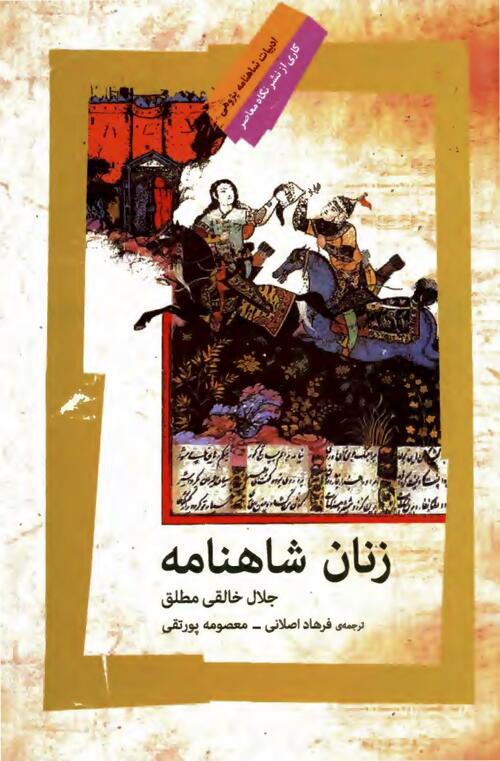
Zanān-i Shāhnāmah
زنان شاهنامه
Price range: £10.63 through £29.00
If the Shāhnāmeh is considered merely as a literary-epic work—which it mostly has been—then the main subject of this book cannot be regarded as one of its important topics. However, if we consider the Shāhnāmeh as a source of knowledge about Iranian history and culture, the issue of the importance of the subject becomes irrelevant. Even if the subject of this book seems less important, any analysis of this grand literary work leads us to valuable and yet unforeseen insights, thereby contributing to our greater understanding of Iranian cultural topics.
On the other hand, examining the Shāhnāmeh without considering pre-Islamic and early Islamic sources rarely leads to correct results and can even hinder the achievement of research goals. Without comparing the mentioned sources, it is impossible to make a proper assessment of the cultural facts and history within the Shāhnāmeh.
It is well-known that Ferdowsī, the poet, always reviewed the available sources; however, this finding from comparing the Shāhnāmeh with other sources should not be considered self-evident in a new analysis but should be re-evaluated within the framework of each new topic if possible. This perspective forms the basis of the author's examination presented in this book.
The German text of this book is the doctoral dissertation of Professor Jalāl Khāleqī-Motlaq at the University of Cologne in 1970. This work was first published as number twelve in the series Islamkundliche Untersuchungen by Klaus Schwarz Verlag in Freiburg in 1971.
In this book, the author aimed to clarify the role of the female gender in Iranian mythology in the introduction to show whether this topic is reflected in the Shāhnāmeh and, if so, to what extent. The introduction ends with the story of the creation of man and woman, and the author connects it to the story of the first woman in the Shāhnāmeh.
In the first section, the author provides a concise summary of the stories of the most important women in the Shāhnāmeh and compares them with other pre-Islamic and Islamic sources as far as they were known and accessible to the author. The author has tried to briefly recount the personality traits of these women at the end of each paragraph. Since there are many female characters in the Shāhnāmeh, and addressing all of them would be tedious, the author has included all mythical women and the most important women in the historical section of the Shāhnāmeh, dividing them according to their social class, whether nobility or common women.
The second section examines the status of women in the Shāhnāmeh, always considering Islamic and pre-Islamic sources. The author briefly describes the role, importance, and fate of each female character in different stages of their lives, such as childhood, marriage, and motherhood within the family and society in general. Since the Shāhnāmeh is not a book about family law, the author has used other sources to fill the existing gaps. Therefore, the Shāhnāmeh is considered an auxiliary source in this research. However, this clarifies that pre-Islamic cultural topics are more or less fully addressed in the Shāhnāmeh.
Most of the sources used in this research, i.e., ancient Arabic and Iranian sources, are so well-known that they require little explanation. However, some lesser-known sources, mostly in Pārsīg (Southwestern Pahlavi dialect) from the late Sassanian period and after, are also included. In the bibliography section, these works and other pre-Islamic writings are listed under ancient sources, including Avestan texts, Old Persian texts, and Pahlavi texts. The second section of the bibliography (monographs and articles) pertains to modern research cited in the footnotes or text and quoted in this research.
References to the Shāhnāmeh itself follow the method of Wolff in the Shāhnāmeh Dictionary of Ferdowsī. The first number after "Shāhnāmeh" refers to the number of that reign, followed by the line number with a slash. If the subject and content of the chapter make it clear which story is being referred to, only the line numbers are mentioned.
The author used the Moscow edition volumes one to four (1960-1967) for the stories of the first nineteen reigns. References to the appendices at the end of each volume of the Moscow edition (except volume four) are marked with the word "appendices," and the relevant section number is given in ordinal numbers. Due to the incomplete nature of the Moscow edition volumes, the author used the Tehran 1966 edition for the stories of the remaining thirty-one reigns.
اگر شاهنامه صرفاً به عنوان اثری ادبی-حماسی در نظر گرفته شود -که عمدتاً چنین بوده- پس موضوع اصلی این کتاب را نمیتوان یکی از موضوعات مهم آن مجموعه تلقی کرد. اما اگر شاهنامه را به عنوان منبع آگاهی دربارهی تاریخ و فرهنگ ایرانی بدانیم، مسئلهی اهمیت موضوع بیربط خواهد بود. حتی اگر موضوع این کتاب، به نظر از اهمیت کمتری برخوردار باشد، هر تحلیلی از این اثر ادبی بلند ما را به شناختی ارزشمند و با این وجود پیشبینی نشده سوق میدهد و در نتیجه به آگاهی بیشتر ما در باب موضوعات فرهنگ ایرانی کمک میکند.
از سویی بررسی شاهنامه بدون در نظر گرفتن منابع پیش از اسلام و اوایل دورهی اسلامی ندرتاً به نتایج درست میانجامد و حتی میتواند مانع از رسیدن به اهداف تحقیق شود. بدون مقایسهی منابع مذکور نمیتوان به ارزیابی درستی از حقایق فرهنگی و تاریخ درون شاهنامه رسید.
مشهور است که فردوسی شاعر همیشه منابع در دسترسش را بررسی میکرده است؛ اما این یافتهی حاصل از قیاس شاهنامه با دیگر منابع را نباید در تحلیلی جدید بدیهی دانست، بلکه چنانچه امکانپذیر است باید در چارچوب هر موضوع تازهای ارزیابی مجدد شود. چنین دیدگاهی اساس بررسی مؤلف را شکل میدهد که در این کتاب آمده است.
متن آلمانی این کتاب، رسالهی دکتری استاد جلال خالقی مطلق در سال ۱۹۷۰ دانشگاه کلن است. این اثر ابتدا به عنوان شمارهی دوازده از مجموعهی islamkundichi untersuchingen توسط انتشارات کلاوس شوارتس در سال ۱۹۷۱ در فرایبورگ چاپ شد.
نگارنده در این کتاب بر آن بوده در مقدمه نقش جنس مؤنث در اسطورهشناسی ایران را مشخص کند تا روشن شود که این موضوع در شاهنامه نمود داشته و اگر چنین است، تا چه حد بوده است. مقدمه با داستان آفرینش مرد و زن پایان مییابد و مؤلف در آنجا آن را به داستان نخستین زن در شاهنامه مرتبط میکند.
نگارنده در بخش نخست چکیدهای موجز از داستانهای مهمترین زنان شاهنامه را ارائه میکند و آنها را با دیگر منابع پیش از اسلام و عهد اسلامی تا آنجا که بر مؤلف شناخته شده و قابل دستیابی بودند میسنجد. نگارنده کوشیده است در پایان هر بند ویژگیهای شخصیتی آنها را به اجمال بازگو کند. از آنجا که شخصیتهای زنان در شاهنامه فراوان هستند و پرداختن به همهی آنها امری ملالآور است، بنابراین نگارنده تمام زنان اسطورهای و البته مهمترین زنان بخش تاریخی شاهنامه را منظور داشته و آنها را بنا بر طبقهی اجتماعیشان خواه اشراف و خواه زنان عامه تقسیمبندی نموده است.
بخش دوم به بررسی جایگاه زنان در شاهنامه میپردازد و همواره منابع اسلامی و پیش از اسلام را مورد توجه قرار داده است. نگارنده به اجمال نقش، اهمیت و سرنوشت هر یک از شخصیتهای زنان در ادوار مختلف زندگیشان را مانند دوران کودکی، همسری و مادر بودن در قالب خانواده و همچنین جامعه، به طور کلی توصیف میکند. از آنجا که شاهنامه کتابی در باب حقوق خانواده نیست، بنابراین نگارنده برای پرکردن خلأ موجود از منابع دیگر سود جسته است. بنابراین شاهنامه در این زمینه از تحقیق حاضر منبعی جانبی به شمار میرود. اما این امر روشن میکند که موضوعات فرهنگی پیش از اسلام کمابیش به طور کامل در شاهنامه مطرح شدهاند.
بیشتر منابع مورد استفاده در این تحقیق یعنی منابع کهن عربی و ایرانی، به قدری مشهور هستند که توضیح زیادی لازم دارند. اما برخی از منابع کمتر شناخته شده هستند که غالباً به زبان پارسیگ (لهجهی پهلوی جنوب غربی) و از اواخر دورهی ساسانی و پس از آن هستند. در بخش کتابشناسی این آثار و دیگر نوشتههای پیش از اسلام تحت عنوان منابع کهن شامل متون اوستایی، فارسی باستان و متون پهلوی آمدهاند. بخش دوم منابع در کتابشناسی (تکنگاریها و مقالات) مربوط به تحقیقات امروزی است که در پانویسها یا متن ذکر شدهاند و در این تحقیق از آنها نقل قول شده است.
ارجاع به خود شاهنامه طبق روش ولف در فرهنگ شاهنامۀ فردوسی آمده است. منظور از اولین عدد پس از «شاهنامه» شمارهی مربوط به آن پادشاهی است و سپس با خط مورب «ا» شمارهی ابیات ذکر میشود. چنانچه از موضوع و محتوای فصل بر خواننده روشن باشد که کدام داستان مورد نظر است فقط شمارهی ابیات ذکر میشوند.
نگارنده از چاپ مسکو مجلدات یک تا چهار (۱۹۶۷-۱۹۶۰) برای داستانهای نوزده پادشاهی نخست استفاده کرده است. ارجاع به ملحقات پایان هر مجلد از چاپ مسکو (به جز جلد چهار) با کلمهی «ملحقات» مشخص شده و شمارهی بخش مربوطه نیز به صورت اعداد ترتیبی درج شده است. به دلیل کامل نبودن مجلدات چاپ مسکو، برای داستانهای سیویک پادشاهی باقیمانده از چاپ تهران ۱۳۴۵ ش. استفاده شده است.
Related products