Downloadable Book
 Downloadable Book
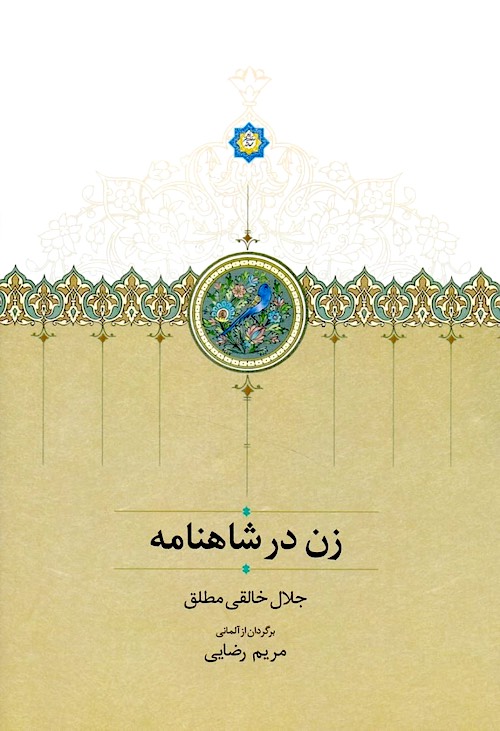
Zan dar Shāhnāmah
Women in the Shahnameh
زن در شاهنامه
Price range: £11.48 through £33.75
Although the epic is the domain of men, women in Persian literature, with the exception of "Vis and Ramin," do not have the active roles that the women of the Shahnameh do. Interestingly, this active role is more prominent in the epic part of the book than in the historical part, which should be attributed to the influence of Parthian literature on the "Khodaynameh" and from there on the Shahnameh.
Women in the Shahnameh play active roles at all stages of life; whether in their maidenhood (examples include Rudabeh, Tahmineh, Sudabeh, Manijeh, Katayoun, and Golnar), as wives (examples include Sindokht, Sudabeh, Golshahr, Farigis, and Shirin), as mothers (examples include Franak, Sindokht, Jarireh, and the mothers of Kou and Talhkhand), as warrior women (examples include Gordafarid and Gordiyeh), as political women (examples include Homay, Qeydafeh, the mothers of Kou and Talhkhand, Gordiyeh, Shirin, Boran Dokht, and Azarmidokht), and also in roles such as nurses, companions, and vendors.
Although the description of women in the Shahnameh often focuses on their physique and beauty, wisdom and knowledge, chastity and piety, it is their active role and function that distinguishes them from other women in Persian literature, who are more often "prey" and "booty" than partners and life companions. Even in the Shahnameh, we witness a noticeable change in this regard.
Each woman's character in the Shahnameh is unique and singular; just as the role of women in all the stories of the Shahnameh is not the same and has different impacts. Their roles in each period, whether mythical, heroic, or historical, have various frequencies, and examining their characters and roles in the stories of the Shahnameh helps us to better understand them and correctly analyze their actions and reactions in the context of the story.
This book is the doctoral dissertation of Professor Jalal Khaleghi Motlagh, completed in 1970 at the University of Cologne and published in Freiburg, Germany, in 1971. In 2012, Brigitte Neuenschwander published this book in English in California, and it was subsequently translated from English to Persian twice in 2016 and 2019; however, the present translation is from the German version of the book.
In the introduction section of the book, the author has tried to first examine the role of women in the Iranian mythological system and simultaneously reflect it in the Shahnameh. This introduction ends with the myth of the creation of the first couple and then connects to the story of the first women in the Shahnameh.
In the first section of the book, the author provides a brief account of the most famous women of the Shahnameh and compares it with other sources before and after Islam, and at the end of each account, outlines the unique characteristics of that woman. Since detailing the story of all the women of the Shahnameh in this manner would require a very voluminous book, all mythical women are included, but only the most famous historical women are selected and then divided into two groups: noble and non-noble.
In the second section of the book, the status and position of women in the Shahnameh are examined with reference to sources before and after Islam. The author in this section reviews the role, importance, and fate of the women of the Shahnameh in different stages of life, childhood, marriage, and motherhood, as well as within the family and society. Since the Shahnameh is not a book about family rights, the author has used other sources to fill the existing gap; thus, the Shahnameh in this part of the research is considered more of an auxiliary source, which nevertheless shows the boundary of the reflection of ancient Iranian cultural topics in the Shahnameh.
با آنکه حماسه میدان مردان است، زنان در هیچ اثری به زبان فارسی به استثنای «ویس و رامین» نقش فعال زنان شاهنامه را ندارند و جالب اینکه این نقش فعال در بخش حماسی کتاب چشمگیرتر است تا در بخش تاریخی آن که باید آن را به حساب تأثیر ادب اشکانی بر «خداینامه» و از آنجا بر شاهنامه گذاشت.
زنان شاهنامه در همهی مراحل زندگی نقشی کوشا دارند؛ چه در دوران دوشیزگی (مثالهای رودابه، تهمینه، سوداوه، منیژه، کتایون و گلنار)، چه در نقش همسر (مثالهای سیندخت، سوداوه، گلشهر، فریگیس و شیرین)، چه در نقش مادر (مثالهای فرانک، سیندخت، جریره، و مادر کو و طلخند)، چه در نقش زنان رزمنده (مثالهای گردآفرید و گردیه)، چه در نقش زنان سیاستپیشه (مثالهای همای، قیدافه، مادر گو و طلخند، گردیه، شیرین، بوراندخت و آزرمیدخت) و نیز در نقش دایه و ندیمه و فروشنده و …. .
اگرچه در توصیف زنان شاهنامه تنها به اندام و زیبایی، خرد و دانایی، عفت و پارسایی آنها توجه کردهاند؛ ولی در حقیقت نقش کوشا و کارکرد فعال آنهاست که آنها را از زنان دیگر ادب فارس که بیشتر «طعمه» و «غنیمت»اند تا یار و همسر و شریک زندگی متمایز میکند. حتی در شاهنامه شاهد تغییری محسوس در اینباره هستیم.
شخصیت هر یک از زنان شاهنامه منحصربهفرد و یکتاست؛ همچنانکه نقش زنان در همهی داستانهای شاهنامه یکسان نیست و تأثیرهای متفاوتی دارد. نقش آنها در هر دوره، چه اساطیری یا پهلوانی یا تاریخی بسامدهای گوناگونی دارد و بررسی شخصیت و نقش آنها در داستانهای شاهنامه موجب میشود تا آنها را بهتر بشناسیم و کنشها و واکنشهای آنان را در راستای داستان بهدرستی بررسی کنیم.
این کتاب رسالهی دکتری استاد جلال خالقی مطلق به سال ۱۳۴۹ در دانشگاه کلن است که در سال ۱۳۵۰ در فرایبورگ آلمان منتشر شد. در سال ۲۰۱۲، بریگیته نوین اشواندر در کالیفرنیا این کتاب را به انگلیسی منتشر کرد و سپس دو بار در سال ۱۳۹۵ و ۱۳۹۸ از انگلیسی به فارسی ترجمه شد؛ اما ترجمهی حاضر از زبان آلمانی کتاب صورت گرفته است.
در بخش درآمد کتاب، نگارنده کوشیده است نخست نقش زن را در نظام اسطورهشناسی ایران و همزمان بازتاب آن را در شاهنامه بررسی کند. این درآمد با اسطورهی آفرینش نخستین زوج پایان میپذیرد و در همانجا به سرگذشت نخستین زنان شاهنامه میپیوندد.
در نخستین بخش کتاب، نگارنده به شرح کوتاهی از سرگذشت نامدارترین زنان شاهنامه پرداخته و آن را با دیگر منابع پیش و پس از اسلام مقایسه کرده و در پایان هر شرح خطوط ویژهی شخصیت آن زن را ترسیم کرده است. از آنجا که شرح سرگذشت همهی زنان شاهنامه بدین شیوه کتابی بس پرحجم میطلبد، از زنان اسطورهای همه، ولی از زنان تاریخی تنها نامدارین آنها برگزیده و سپس به دو گروه نژاده و غیرنژاده تقسیم شده است.
در بخش دوم کتاب به بررسی جایگاه و پایگاه زن در شاهنامه با توجه به منابع پیش و پس از اسلام پرداخته شده است. نگارنده در این بخش نقش، اهمیت و سرنوشت زنان شاهنامه را در دورههای مختلف زندگی، کودکی، همسری و مادری و نیز در آغوش خانواده و میان اجتماع بررسی کرده است. از آنجا که شاهنامه کتابی دربارهی حقوق خانواده نیست، نویسنده برای پرکردن خلأ موجود، از منابع دیگر بهره جسته است؛ از اینرو شاهنامه در این بخش از تحقیق، بیشتری منبعی جانبی به شمار میرود که با این وجود مرز بازتاب موضوعات فرهنگ کهن ایران را در شاهنامه نشان میدهد.
Related products
Book
Amīr-i Muqāvimat: Zindagīnāmih-yi Shahīd AmīrʻAlī Ḥājīzādah, Farmāndih-yi Shahīd-i Havāfazā-yi Sipāh