Downloadable Collection
Shikūfah, Rūznāmah-i (Qājār) – Collection of 5 years, including 67 issues
روزنامه شکوفه (قاجار) - آرشیو ۵ سال شامل ۶۷ شماره نشریه
Price range: £102.75 through £257.25
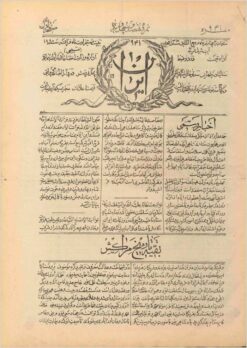
 Sample issue
Shukūfah is one of the oldest women's newspapers in Iranian history. Its editor-in-chief was Maryam ʻAmīd Simnānī, known by the title Muzayyin al-Salṭanah, and its first issue was published in 1330 AH. Shukūfah is considered the second publication specifically for Iranian women, following the Dānish periodical (1328 AH).
The front page of this publication stated: "The licence holder and managing director is Muzayyin al-Salṭanah, daughter of the late Āqā Mīrzā Sayyid Raz̤ī Raʼīs al-Aṭibbāʼ. It is a newspaper focusing on ethics, literature, child health, housekeeping, childcare, with its primary aim being the education of young women and the refinement of women's morals, concerning women's schools. For now, it is published bi-weekly".
Shukūfah was published as a bi-weekly (four pages) and released 70 issues during its four-year journalistic life. In its first year, 17 issues were published using lithography, and from issue 18 (the first issue of the second year), the printing method changed to letterpress. Shukūfah was the first Iranian publication to print critical caricatures on its back page. The periodical's distinctive features included its satirical and critical tone, addressing issues facing Iranian women, girls' education, and political matters.
The publication's objective was to familiarise women with literary works, dispel superstitions, provide guidance on housekeeping and childcare, and strive to improve women's morale. Over time, in subsequent years, the magazine's tone became more strident, and its protests against social conditions became more explicit. For instance, it criticised the tradition of marrying girls at a young age and even objected to the interventions of superpowers, encouraging national independence. One of Muzayyin al-Salṭanah's most significant actions as the managing director of Shukūfah was introducing candidates approved by women for the third term elections of the National Consultative Assembly, which had consequences.
This publication continued until 1298 in the Solar Hijri calendar, which coincided with ʻAmīd's death.
Available issues:
- 1330 H.Q. (1 Issue: No. 1)
- 1331 H.Q. (17 Issues: No. 2-18 )
- 1332 H.Q. (19 Issues: No. 19-24, 8-14, 16-21 )
- 1333 H.Q. (19 Issues: No. 1-13, 15-20)
- 1334 H.Q. (11 Issues: No. 21, 1, 3-11)
شکوفه یکی از قدیمیترین روزنامههای زنان در تاریخ ایران است. سردبیر آن مریم عمید سمنانی ملقب به مزینالسلطنه بود و نخستین شمارهٔ آن در سال ۱۳۳۰ هجری قمری چاپ شد. شکوفه دومین نشریه ویژه زنان ایران پس از نشریه دانش (۱۳۲۸ هجری قمری) بهشمار میرود.
روی صفحه اول این نشریه نوشته شده بود: «صاحبه امتیاز و مدیر مسئوله مزین السلطنه صبیه مرحوم آقا میرزا سید رضی رئیس الاطبا، روزنامهایست اخلاقی، ادبی، حفظ الصحه اطفال، خانه داری، بچه داری، مسلک مستقیمش تربیت دوشیزگان و تصفیه اخلاق زنان راجع به مدارس نسوان عجالتا گاهی دو نمره طبع می شود.»
شکوفه به صورت دوهفتهنامه (چهار صفحه) در چهار سال حیات مطبوعاتی خود ۷۰ شماره منتشر شده، در سال اول در ۱۷ شماره چاپ سنگی منتشر واز شماره ۱۸ (اولین شماره سال دوم) نوع چاپ تغییر یافته و بصورت چاپ سربی منتشر شده است. شکوفه اولین نشریه ایرانی بود که کاریکاتورهای انتقادی را در صفحه آخر چاپ میکرد. از ویژگیهای این نشریه میتوان به لحن طنزآمیز و انتقادی، پرداختن به مسائل زنان ایرانی، تحصیل و آموزش دختران و مسائل سیاسی اشاره کرد.
هدف نشریه آشنا کردن زنان با آثار ادبی، خرافهزدایی، راهنماییهای خانهداری و بچهداری و کوشش در بهبود روحیهٔ زنان بود. با گذشت زمان، در طی سالهای بعد لحن مجله تندتر و اعتراضاتش به وضعیت اجتماعی صریحتر شد و مثلاً به انتقاد از سنت ازدواج دختران در سن پایین و حتی اعتراض به مداخلات ابرقدرتها و تشویق استقلال ملی پرداخت. یکی از مهمترین اقدامات مزینالسلطنه بهعنوان مدیر مسئول شکوفه، معرفی کاندیداهای مورد قبول زنان در انتخابات دوره سوم مجلس شورای ملی بود که عواقبی را در پی داشت.
این نشریه تا سال ۱۲۹۸ خورشیدی یعنی تا زمان مرگ عمید انتشار یافت.
Rūznāmah-i Shikūfah (Qājār)
Related products