Downloadable Book
 Downloadable Book
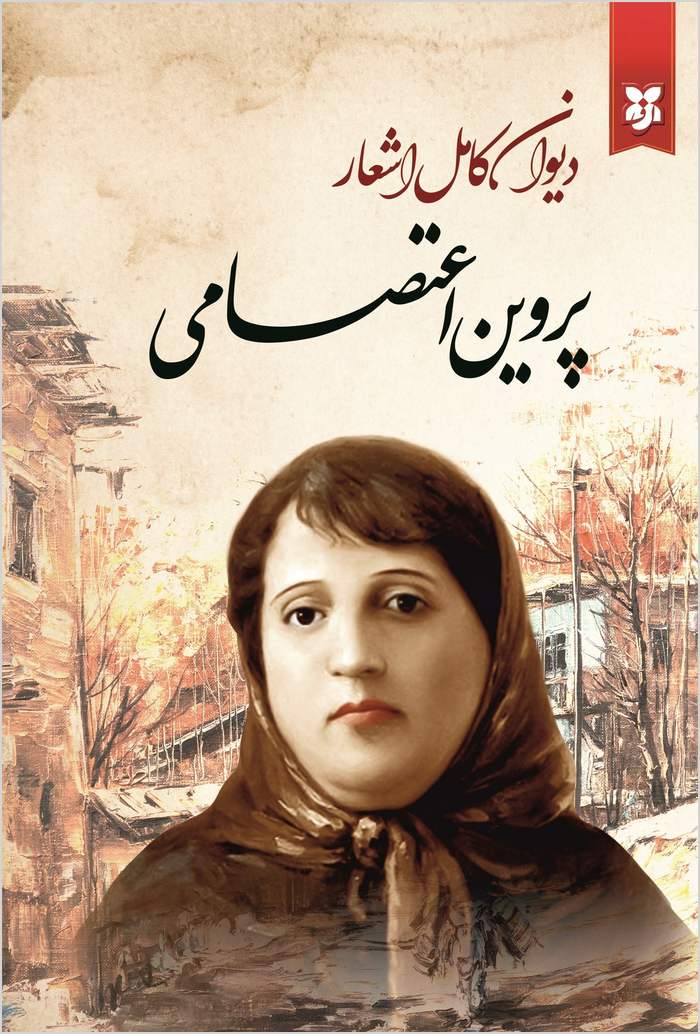
Dīvān-i Parvīn Iʻtiṣāmī
دیوان پروین اعتصامی
Price range: £13.60 through £37.00
The Dīvān of Parvīn Iʻtiṣāmī brings together poems in classical Persian forms, accompanied by an introduction by Malik al-Shuʻarā-yi Bahār. Qaṣīdahs, short narrative poems, dialogues and occasional pieces explore knowledge, effort, poverty, injustice and the responsibilities of human life. Animals, plants and everyday objects become speakers in debates that turn familiar scenes into reflections on conduct and social relations. Poems such as Ashk-i yatīm and Mast va hushyār sit alongside meditations on youth, ageing, destiny and the passing of time. Bahār discusses the poet’s language, her relationship to earlier Persian masters and the distinctive use of dialogue in her verse. The collection combines moral counsel with sympathy for vulnerable people, giving abstract questions concrete voices and situations. Its varied forms and subjects offer a sustained view of a poetic imagination grounded in inherited literary conventions and attentive to the inequalities of ordinary experience.
دیوان پروین اعتصامی مجموعهای از قصاید، قطعات، مثنویها و سرودههای کوتاه او را همراه با مقدمه ملکالشعرای بهار در بر میگیرد. شعرهای این مجموعه به دانش و کوشش، فقر و بیعدالتی، گذر عمر و مسئولیت انسان در برابر دیگران میپردازند. یکی از ویژگیهای برجسته این سرودهها، مناظره میان انسانها، جانوران، گیاهان و اشیای روزمره است؛ شیوهای که اندیشههای اخلاقی و اجتماعی را در قالب گفتوگو و موقعیتهای ملموس بیان میکند. آثاری چون «اشک یتیم» و «مست و هوشیار» در کنار شعرهایی درباره جوانی، پیری، تقدیر و ارزش کار قرار گرفتهاند. بهار در مقدمه خود، زبان و شیوه بیان شاعر، پیوند او با سنت شعر فارسی و جایگاه مناظره در قطعاتش را بررسی میکند. در این دیوان، پند و اندرز با همدلی نسبت به فرودستان و نقد رفتار صاحبان قدرت همراه است و مضمونهای آشنا از زبان شخصیتهایی گوناگون بازگو میشوند. تنوع قالبها و موضوعها، امکان پیگیری نگاه شاعر به زندگی فردی و مناسبات اجتماعی را فراهم میآورد و پیوند میان مهارت ادبی، تأمل اخلاقی و حساسیت اجتماعی او را آشکار میسازد.
Related products

Book
Jāmiʻahʹshināsī-i shiʻr-i imrūz: barʹrasī-i dīyāliktīkī-i ashʻār-i Shāmlū, Furūgh va Akhavān S̲ālis̲