Downloadable Book
 Downloadable Book
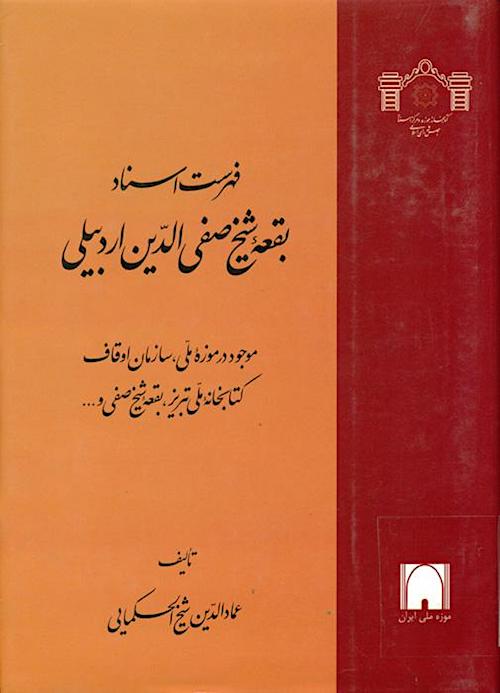
Fihrist-i asnād-i buqʻah-i Shaykh Ṣafī al-Dīn Ardabīlī
فهرست اسناد بقعه شیخ صفیالدین اردبیلی
Price range: £13.18 through £38.50
This catalogue records the archival documents preserved at the shrine (buqʻah) of Shaykh Ṣafī al-Dīn Ardabīlī, spanning roughly the sixth to tenth centuries AH. Compiled by ʻImād al-Dīn Shaykh al-Ḥukamāyī, the volume reflects everyday and material life among the population of north-western Īrān across four centuries, offering insight into the origins of the Ṣafavid family and the household of Shaykh Ṣafī al-Dīn Ardabīlī — their political, religious and social standing, and the attention shown to them by local rulers and governors. The documents record the family's holdings and how these estates were expanded through endowment, gifts, and tax exemptions. From this material, researchers may reconstruct social, economic and political conditions, trade, the role of women, religious and ethnic minorities, landlord-tenant relations, agriculture, taxation, inheritance, divorce, and lending practices, alongside seals and decrees of rulers and regional governors.
این مجموعه، فهرست اسناد بازمانده از بقعه شیخ صفیالدین اردبیلی را در بر میگیرد و روزنهای به زندگی روزمره مردم شمالغرب ایران در سدههای ششم تا دهم هجری میگشاید. عمادالدین شیخالحکمایی در این تدوین، پیشینه خاندان صفوی و خانواده شیخ صفی را از منظر جایگاه سیاسی، مذهبی و اجتماعی آنان و پیوندشان با حاکمان و امرای محلی بازمیکاود. اسناد گردآوریشده گستره داراییهای این خاندان و شیوه توسعه آن از طریق وقف، پذیرش هبه و کسب معافیتهای مالیاتی را روشن میسازد و زمینه را برای شناخت اوضاع اجتماعی، اقتصادی و سیاسی دوران فراهم میآورد. از خلال این اسناد میتوان به تجارت، حضور زنان در جامعه، وضعیت اقلیتهای نژادی و دینی، روابط مالک و رعیت، کشاورزی، مشاغل، مالیات، ارث، طلاق و وام در آن روزگار پی برد. این مجموعه همچنین منبعی گرانبها برای شناخت شخصیتهای سیاسی و فرهنگی، نسبتهای خویشاوندی خاندانها، و مطالعه طغراها و فرمانهای حاکمان و امرای منطقه به شمار میرود، در کنار اجارهنامهها، اقرارنامهها، مبایعهنامهها، وقفنامهها و وکالتنامههای بهجا مانده از آن دوران.
Related products