Downloadable Book
 Downloadable Book
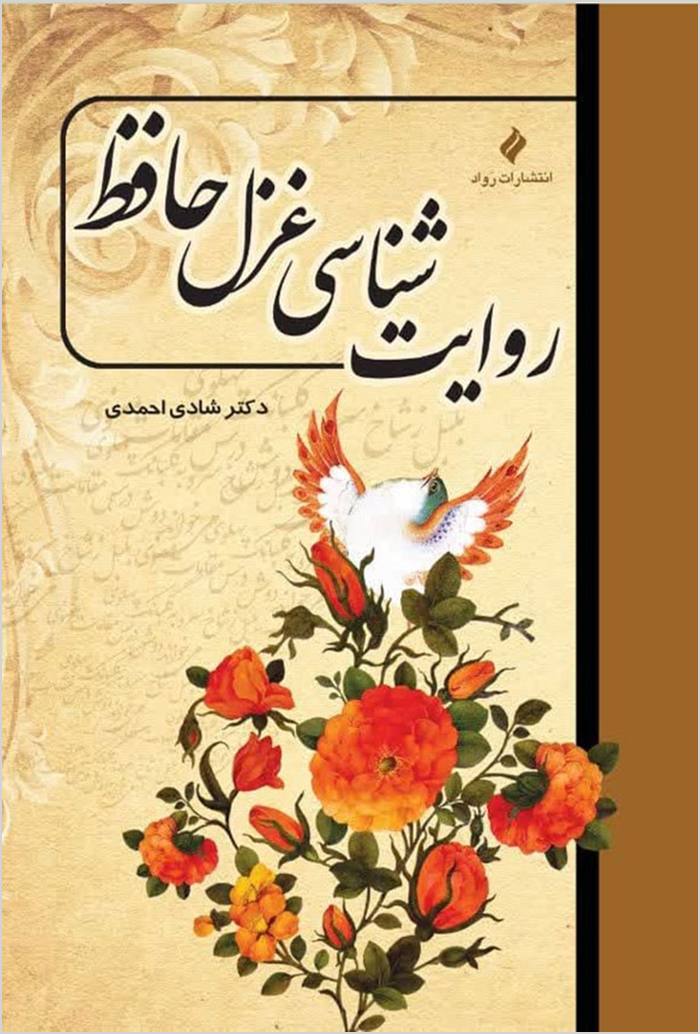
Rivāyatʹshināsī-i ghazal-i Ḥāfiẓ
روایتشناسی غزل حافظ
Price range: £8.93 through £26.00
Shādī Aḥmadī’s Rivāyatʹshināsī-i ghazal-i Ḥāfiẓ applies concepts from narratology to the ghazals of Ḥāfiẓ, asking how lyric poems organise events, voices, temporal relations and implied situations without becoming conventional narratives. The study first introduces key ideas in narrative theory, including narrative, narrator, focalisation, voice, sequence and the relation between story and discourse. It then examines selected ghazals with more clearly discernible narrative structures and considers how dialogue, shifts of perspective, recurring motifs and implied action contribute to coherence. A further section addresses narrative metaphor and the role of figurative language in producing sequences that readers interpret as meaningful developments. By bringing modern narrative theory into conversation with classical Persian lyric poetry, the book offers a methodological study of Ḥāfiẓ and a broader contribution to Persian literary criticism, poetics and the analysis of the ghazal.
کتاب «روایتشناسی غزل حافظ» نوشتهٔ شادی احمدی کوششی برای بررسی غزلهای حافظ با استفاده از مفاهیم روایتشناسی معاصر است. نویسنده در بخش نخست مبانی و کلیات روایت را توضیح میدهد و به موضوعاتی مانند راوی، صدا، زاویهٔ دید، زمان، توالی رخدادها و نسبت میان داستان و گفتمان میپردازد. در ادامه، گروهی از غزلهایی که ساختار روایی آشکارتری دارند تحلیل میشوند تا روشن شود چگونه گفتوگو، تغییر منظر، شخصیتهای ضمنی، حرکت زمانی و پیوند رخدادها در قالب شعر غنایی عمل میکنند. بخش دیگری از کتاب به استعارهٔ روایی اختصاص دارد و نقش تصویر و زبان مجازی را در شکلگیری مسیرهای معنایی بررسی میکند. این پژوهش از یک سو مطالعهای تخصصی دربارهٔ شعر حافظ است و از سوی دیگر نمونهای از کاربرد نظریههای جدید ادبی در تحلیل شعر کلاسیک فارسی. اثر برای دانشجویان و پژوهشگران ادبیات فارسی، روایتشناسی، نقد ادبی و مطالعات غزل میتواند چارچوبی روشن برای خوانش ساختارهای روایی فراهم آورد. همچنین شیوهٔ انتخاب و دستهبندی نمونهها امکان مقایسهٔ خوانشهای مختلف و سنجش ظرفیت روایت در شعر غنایی حافظ را فراهم میسازد.
Related products
Book