Downloadable Book
 Downloadable Book
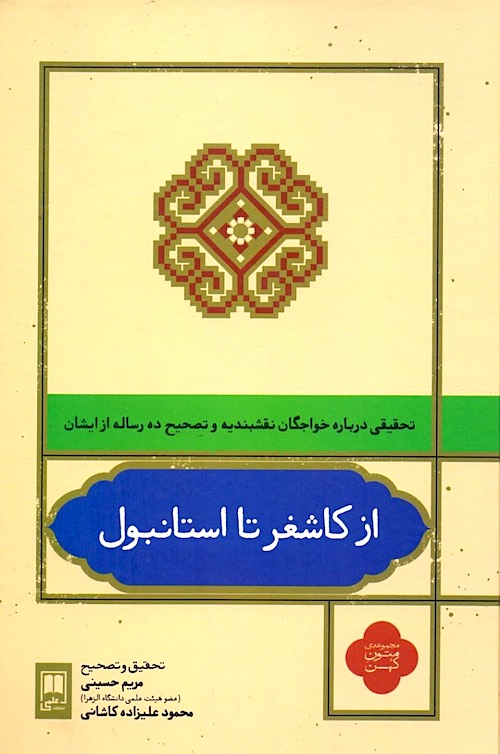
Az Kāshghar tā Istānbul: Taḥqīqī darbārah-i khvājigān-i Naqshbandiyah va taṣḥīḥ-i dah risālah az īshān
از کاشغر تا استانبول: تحقیقی درباره خواجگان نقشبندیه و تصحیح ده رساله از ایشان
Price range: £12.54 through £36.50
The written heritage left behind by the great figures of the Khvājagān-Naqshbandīya order, one of the most significant Ṣūfī paths in the Islamic world, despite the abundance of its manuscripts found in libraries and manuscript preservation centres worldwide, has received little attention, study, and analysis. The most important works of the writers of this order, most of which were written in Persian, have yet to be published. As a result, information about a vast portion of their history, culture, and language remains scarce. These Ṣūfīs lived across the easternmost to the westernmost lands of Islam, exerting influence from Kāshghar to Samarqand, from Dihlī to Harāt, and from Khvārazm to Istānbūl under the spiritual authority of their shaykhs.
Khvājagāns such as ʻUbaydullāh Aḥrār and Aḥmad Kāsānī, besides training disciples and Ṣūfī shaykhs, maintained connections with kings, rulers, and caliphs. According to Aḥrār, they engaged in influencing rulers’ souls to protect Muslims from the tyranny of oppressors. Initially, the capital of the Khvājagān-Naqshbandīya order was Māvarāʼ al-Nahr, but due to voluntary or forced migrations, it spread to other Islamic lands, including Chīn, Hind, Īrān, and Anāṭūlīyah, where they held spiritual, cultural, and at times, political authority for centuries.
This book examines and edits several significant works of the great figures of the Khvājagān-Naqshbandīya order. The treatises reviewed and edited in this volume include:
- Maḥbūb al-ʻĀrifīn, by ʻAlī Rāmatīnī (d. 715 AH)
- Maḥbūbīyah, by Khvājah Muḥammad Pārsā (d. 822 AH)
- Ṭarīqah-yi Tavvajuḥ, by ʻAbdullāh Iṣfahānī (d. circa 830 AH)
- Three treatises: Dar Dhikr va Tavvajuḥ, Pās-i Anfās, and Dar Darvīshī, by Saʻd al-Dīn Kāshgharī (d. 860 AH)
- Sarrashtah-yi Khvājagān, by ʻAbd al-Raḥmān Jāmī (d. 898 AH)
- Dar Bayān-i Silsilah, by Aḥmad Kāsānī (d. 949 AH)
- Silsilah-nāmah-yi Khvājagān Naqshbandī (written in 978 AH) by Muḥammad ibn Ḥusayn Qazvīnī
- Ḥaqīqah, by Nadāʼī Kāshgharī
The selection of these treatises from among dozens of similar works was based on their necessity, fame, and significance.
The Maḥbūb al-ʻĀrifīn of Rāmatīnī is among the oldest treatises of the Khvājagān shaykhs, likely written in the late seventh century AH, making it the first treatise in this book. Among the short works of Khvājah Muḥammad Pārsā, Maḥbūbīyah has gained the most renown and is included in most Naqshbandī manuscript collections. The selection of Imāmī Iṣfahānī’s treatise is due to the author’s inclination towards the school of Ibn ʻArabī and his extensive use of the works of Fuṣūṣ al-Ḥikam commentators.
Saʻd al-Dīn Kāshgharī was one of the prominent Ṣūfīs of this order, yet no treatise of his had been published until now. In this book, after introducing Kāshgharī and discussing his significance within the Khvājagān-Naqshbandī order, three of his short treatises have been edited. The Sarrashtah-yi Khvājagān by Jāmī, a renowned poet of Persian language and literature, has been included in this collection due to its frequent citations among Naqshbandī followers and the necessity of a fresh critical edition.
Aḥmad Kāsānī, one of the most eminent shaykhs of the Naqshbandī order and the founder of the Kāshānīyah branch, left behind over thirty treatises. Since one of this book’s aims is to introduce the Naqshbandī shaykhs and their various branches, Bayān-i Silsilah-yi Kāshānī, which details the spiritual genealogy of this path from the Prophet Muḥammad to Muḥammad Qāḍī Pīr, Kāsānī’s own shaykh, has been edited.
Considering the significance of lineage and the classification of Naqshbandī Ṣūfī shaykhs, this book also includes Bayān-i Khvājagān Naqshband, written by Muḥammad ibn Ḥusayn Qazvīnī. This treatise lists many shaykhs whose lineage extends to Muḥammad Islām Jūybārī (d. 971 AH), one of Aḥmad Kāsānī’s disciples. This Silsilah-nāmah is one of the most important sources for studying the Naqshbandī Ṣūfīs, following the book Rashḥāt-i ʻAyn al-Ḥayāt.
The final treatise in this book is one of the most famous works of the Ṣūfīs of this order, written by ʻAbdullāh Nadāʼī Kāshgharī, which has also been translated into Turkish and French. Kāshgharī, who lived in the mid-twelfth century AH, not only expounds on the doctrines and rituals of his path, a branch of the Kāshānīyah order, but also details the genealogy of the Kāshānī family and their descendants. Additionally, he provides a fascinating narrative of his life, spent entirely in travel—an example of the migration of Ṣūfīs who, due to various reasons, including the establishment of the Ṣafavid rule in Īrān and the persecution of Ṣūfīs by the Qizilbāsh, were forced to leave their homeland and settle in western lands.
The introduction of this book attempts to present the latest information about the Khvājagān lineage based on the oldest existing manuscripts of this order and to examine the fundamental principles of their path, known as Kalimāt-i Qudsīyah, which primarily emphasised dhikr (remembrance of God).
میراث قلمی برجایمانده از بزرگان خواجگان نقشبندیه که یکی از مهمترین طریقتهای صوفیانه در جهان اسلام به شمار میآید، با وجود فراوانی دستنویسهای آن که در تمامی کتابخانهها و مراکز حفظ نسخ خطی میتوان نشانی از آنها یافت، کمتر مورد توجه و مطالعه و بررسی قرار گرفته است. هنوز مهمترین آثار نویسندگان این سلسله که بیشتر آنها هم به زبان فارسی نگارش یافته، منتشر نشده و به همین سبب اطلاعات دربارهی بخش گستردهای از تاریخ و فرهنگ و زبان ایشان اندک است. صوفیانی که در شرقیترین سرزمینهای اسلامی تا غربیترین آن زندگی کردند و از کاشغر تا سمرقند، از دهلی تا هرات، از خوارزم تا استانبول را تحت سیطرهی قدرت مشایخ خود داشتند.
خواجگانی چون عبیدالله احرار و احمد کاسانی جز مریدپروری و تربیت مشایخ، با پادشاهان و امرا و خلفا ارتباط داشتند و به قول احرار، برای حفظ مسلمانان از شر ظلمه به تسخیر نفوس سلاطین مشغول بودند. پایتخت خواجگان نقشبندیه که در ابتدا ماوراءالنهر بود، به سبب مهاجرتهای ارادی یا اجباری به دیگر سرزمینهای اسلامی کشانده شد و چین، هند، ایران و آناتولی مهمترین مناطقی بودند که ایشان برای قرنها در آن سرزمینها سلطهی معنوی و فرهنگی و گاه حتی سیاسی داشتند.
در این کتاب برخی از آثار بزرگان خواجگان نقشبندیه که از اهمیت ویژهای برخوردار است، مورد مطالعه و تصحیح قرار گرفته است. رسالههایی که در این کتاب تصحیح و بررسی شدهاند، به ترتیب عبارتند از: رسالهی محبوب العارفین» علی رامتینی (م ۷۱۵ ق)، رسالهی «محبوبیه» خواجه محمد پارسا (م ۸۲۲ ق)، رسالهی «طریقهی توجه» از عبدالله اصفهانی (م حدود ۸۳۰ ق)، سه رسالهی «در ذکر و توجه»، رسالهی «پاس انفاس» و رسالهی «در درویشی» از سعدالدین کاشغری (م ۸۶۰ ق)، رسالهی «سررشتهی خواجگان» عبدالرحمن جامی (م ۸۹۸ ق)، رسالهی «در بیان سلسلهی» احمد کاسانی (م ۹۴۹ ق)، سلسلهنامهی خواجگان نقشبندی (تألیف ۹۷۸ ق) از محمد بن حسین قزوینی و رسالهی «حقیهی» ندایی کاشغری. انتخاب این رسالهها از میان دهها رسالهی مشابه بر اساس ضرورت، شهرت و اهمیت آثار بوده است.
رسالهی «محبوب العارفین» رامتینی از جمله کهنترین رسالههای مشایخ خواجگان است که احتمالاً در اواخر قرن هفتم نگاشته شده باشد. به همین سبب نخستین رسالهی این کتاب است. در میان رسالههای کوتاه خواجه محمد پارسا، رسالهی «محبوبیه» بیشترین میزان شهرت را داشته و در بیشتر مجموعههای خطی نقشبندیه جای گرفته است. انتخاب رسالهی امامی اصفهانی به سبب گرایش نویسندهی آن به مکتب ابن عربی و استفادهی فراوان وی از آثار شارحان فصوص الحکم است.
سعدالدین کاشغری از جمله عارفان برجستهی این طریقت بود که تاکنون رسالهای از وی منتشر نشده است. در این کتاب پس از معرفی کاشغری و ذکر اهمیت و جایگاه وی میان خواجگان نقشبندی، سه رسالهی کوتاه او تصحیح شده است. رسالهی «سررشتهی خواجگان» جامی از رسالههای کوتاه این شاعر برجستهی زبان و ادب فارسی است که به سبب شهرت و فراوانی نقل آن در میان پیروان طریقت نقشبندیه و ضرورت تصحیحی تازه بر آن در این مجموعه جای گرفته است.
احمد کاسانی از برجستهترین مشایخ طریقت نقشبندیه بود که خود سرشاخهی طریقت کاسانیه است و بیش از سی رساله از وی باقی مانده است. با توجه به اینکه یکی از اهداف این کتاب، معرفی مشایخ نقشبندیه و شاخههای مختلف آن است، رسالهی «بیان سلسلهی کاسانی: که بیان مراتب مشایخ این طریقت از پیامبر تا محمد قاضی پیر خود کاسانی است، تصحیح شده است.
با توجه به برجستهبودن بحث سلسله و طبقهبندی مشایخ صوفیهی نقشبندیه در این کتاب رسالهی «بیان خواجگان نقشبند» اثر محمد بن حسین قزوینی نیز تصحیح و به این مجموعه افزوده شده است. این رساله دربردارندهی نام مشایخ بسیاری است که سلسلهمراتب ایشان تا محمد اسلام جویباری (م ۹۷۱ ق) یکی از مریدان احمد کاسانی ادامه مییابد. این سلسلهنامه یکی از مهمترین منابع شناخت عارفان نقشبندی پس از کتاب «رشحات عین الحیات» است.
آخرین رسالهی این کتاب یکی از مشهورترین آثار عارفان این طریقت عبدالله ندایی کاشغری است که به زبانهای ترکی و فرانسوی هم ترجمه شده است. کاشغری که در میانهی قرن دوازدهم هجری قمری میزیست، ضمن بیان معارف و آداب طریقت خود که یکی از شاخههای سلسلهی کاسانی به شمار میرود، به ذکر سلسلهی خاندان کاسانی و فرزندان وی میپردازد. همچنین از زندگی خودش که سراسر در سفر گذشته است، روایتی شیرین دارد که نمونهای از مهاجرت عارفانی است که به دلایل مختلف از جمله استقرار حکومت صفوی در ایران و سختگیری قزلباشان بر صوفیان ناچار به ترک خان و مان شده و در سرزمینهای غربی سکونت اختیار کردند.
در مقدمهی کتاب کوشیده شده تازهترین اطلاعات دربارهی سلسلهی خواجگان بر اساس کهنترین دستنویسهای موجود از این طریقه ارائه و پژوهشی بر اصول اساسی آیین ایشان یا همان «کلمات قدسیه» که البته بیشتر مبتنی بر ذکر بوده است، شناسانده شود.
Related products