Downloadable Book
 Downloadable Book
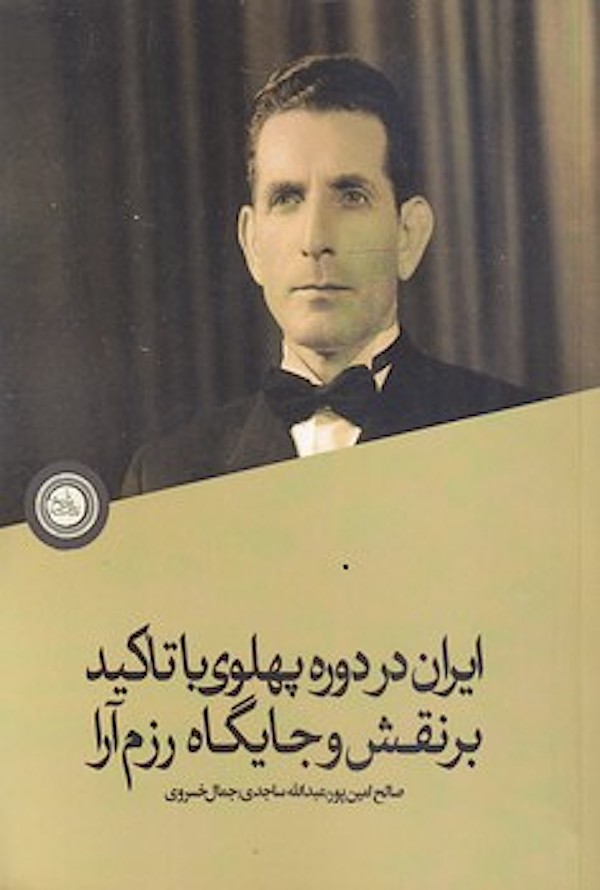
Īrān dar dawrah-yi Pahlavī bā takīd bar naqsh va jāygāh-i Razm Ārā
ایران در دوره پهلوی با تاکید بر نقش و جایگاه رزمآرا
Price range: £12.75 through £37.50
This meticulously researched historical study examines the pivotal yet often overlooked role of General Ḥājj ʻAlī Razm Ārā during one of the most turbulent periods in modern Iranian history. The authors provide a comprehensive analysis of Razm Ārā's political career, from his appointment as Prime Minister in 1950 through his tragic assassination in March 1951. Drawing on extensive archival sources, memoirs, and contemporary accounts, the work explores the complex domestic and international pressures that shaped his brief but consequential tenure. Particular attention is given to his controversial oil policies, his attempts to navigate between British interests and Iranian nationalism, and his relationship with both the royal court and opposition groups including the Tudeh Party and emerging National Front. The study illuminates the broader context of Pahlavi-era politics, Cold War tensions in the Middle East, and the prelude to Muḥammad Muṣaddiq's nationalisation movement that would fundamentally transform Īrān's position in global affairs.
این مطالعۀ تاریخی جامع نقش محوری اما اغلب نادیده گرفته شدۀ سپهبد حاج علی رزم آرا را در یکی از پرآشوبترین دوران تاریخ معاصر ایران بررسی میکند. نویسندگان تحلیل فراگیری از زندگی سیاسی رزم آرا ارائه میدهند، از زمان انتصابش به نخستوزیری در سال ۱۳۲۹ تا ترور فجیعش در اسفند همان سال. با تکیه بر منابع گستردهای از اسناد آرشیوی، خاطرات، و گزارشهای معاصر، اثر فشارهای پیچیدۀ داخلی و بینالمللی را که دورۀ کوتاه اما تأثیرگذار او را شکل دادند کاوش میکند. توجه ویژهای به سیاستهای جنجالی نفتی وی، تلاشهایش برای مانور میان منافع بریتانیا و ناسیونالیسم ایرانی، و رابطهاش با دربار سلطنتی و گروههای مخالف از جمله حزب توده و جبهۀ ملی در حال ظهور معطوف شده است. پژوهش زمینۀ گستردهتر سیاست دورۀ پهلوی، تنشهای جنگ سرد در خاورمیانه، و مقدمات جنبش ملی شدن محمد مصدق را که موقعیت ایران در عرصۀ جهانی را بنیادی تغییر خواهد داد روشن میسازد.
Related products

Book