Downloadable Book
 Downloadable Book
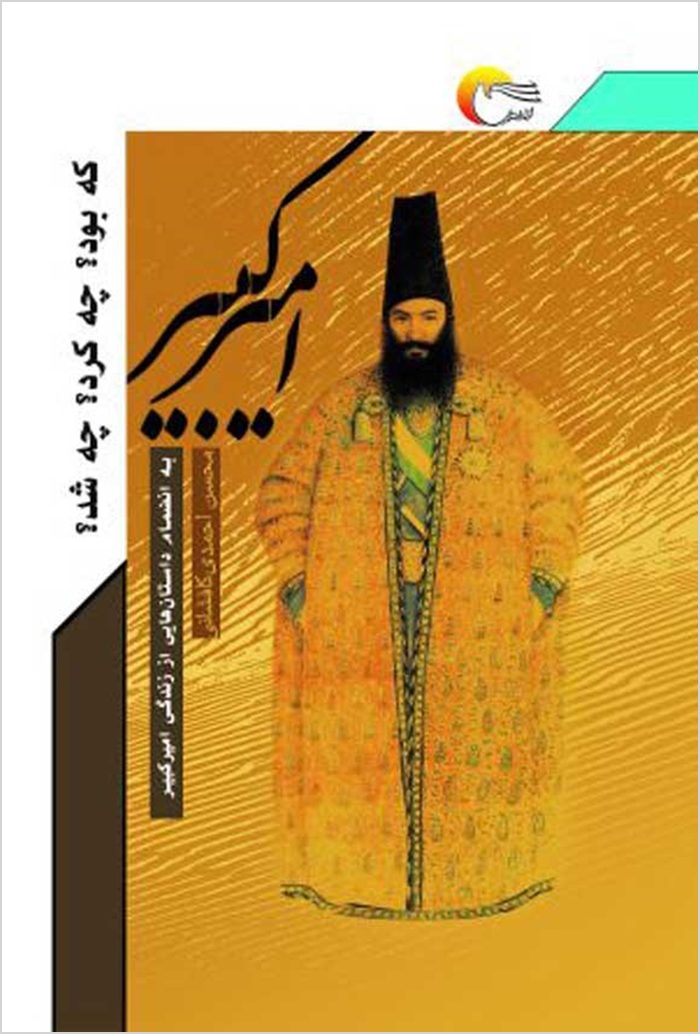
Amīrkabīr kih būd? Chih kard? Chih shud?: bih hamrāh dāstānʹhāyī az zindagī-yi Amīrkabīr
امیرکبیر که بود؟ چه کرد؟ چه شد؟: به همراه داستانهایی از زندگی امیرکبیر
Price range: £10.20 through £29.00
This narrative biography traces the rise and fall of Mīrzā Taqī Khān, remembered by his title Amīr Kabīr, the reforming chief minister of Qājār Īrān under the young Nāṣir al-Dīn Shāh. Rising from modest origins to become the most powerful statesman of his generation, Amīr Kabīr pursued a sweeping programme of modernisation: curbing court corruption, reorganising state finances, founding the Dār al-Funūn polytechnic, encouraging domestic industry, and reforming the army and provincial government. His uncompromising manner and swift consolidation of authority made him formidable enemies among the nobility and within the royal household, and his fall from favour ended in exile to Kāshān and his execution at the Fīn Garden. Drawing on historical episodes and lesser-known anecdotes from his life, this account presents Amīr Kabīr as both visionary reformer and cautionary figure, set against the turbulent politics of the Qājār court.
این کتاب با نگاهی روایی، فراز و فرود زندگی میرزا تقیخان، معروف به امیرکبیر، صدراعظم اصلاحطلب دوران قاجار در آغاز سلطنت ناصرالدینشاه را بازمیگوید. امیرکبیر که از خانوادهای معمولی برخاست و پلهپله تا قدرتمندترین رجل سیاسی عصر خود بالا آمد، برنامهای گسترده برای نوسازی کشور در پیش گرفت: مبارزه با فساد دربار، ساماندهی به خزانهداری، تأسیس دارالفنون، ترویج صنایع داخلی و اصلاح ارتش و حکومت ولایات. اما همین ارادهی استوار و تمرکز سریع قدرت در دستان او، دشمنانی سرسخت میان اشراف و در اندرون دربار برایش پدید آورد و سرانجام به تبعید او به کاشان و قتل در باغ فین انجامید. این اثر با تکیه بر رخدادهای تاریخی و حکایتهای کمترشناخته از زندگی خصوصی و عمومی او، تصویری زنده و چندوجهی از امیرکبیر بهدست میدهد؛ مردی اصلاحگر و در عین حال عبرتآموز، در بستر سیاست پرتلاطم دربار قاجار و رویارویی دشوار آن با جهانی در حال نوسازی و دگرگونی بنیادین. خواننده در پایان این سفر تاریخی، با میراثی روبهرو میشود که هنوز در حافظهی جمعی ایرانیان زنده است.
Related products