
Downloadable Book
 Downloadable Book
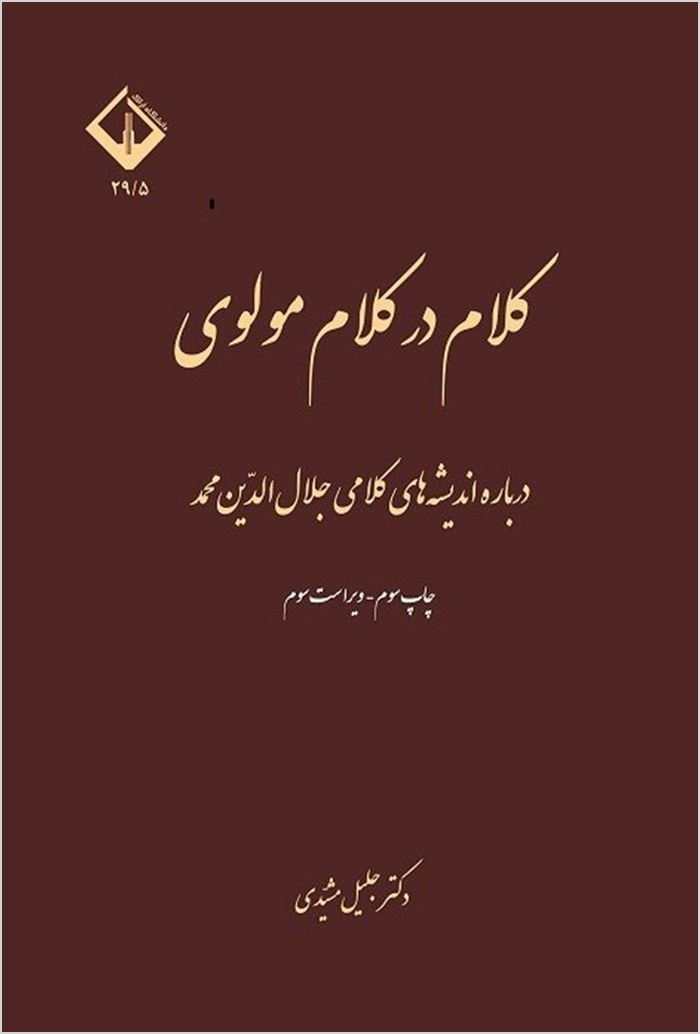
Kalām dar kalām-i Mawlavī: andīshahʹhā-yi kalāmī-i Jalāl al-Dīn Muḥammad
کلام در کلام مولوی: اندیشههای کلامی جلالالدین محمد
Price range: £13.60 through £37.00
In Kalām dar kalām-i Mawlavī, Jalīl Mushayyidī examines the theological ideas of Jalāl al-Dīn Muḥammad through close readings of his writings, especially the Mas̲navī. The introduction considers how Mawlavī uses Persian verse, narrative and theological vocabulary to address questions debated by Muslim theologians and philosophers. Five chapters organise the study around divine unity, divine justice, prophethood, the imamate and the hereafter. They discuss the divine attributes and the vision of God, human freedom and predestination, revelation and miracles, and resurrection and intercession. By placing passages from Mawlavī beside arguments from the theological tradition, Mushayyidī shows how the poet engages with doctrinal disagreement and criticises forms of disputation he finds unproductive. The book includes a bibliography and a glossary giving English equivalents for Persian and Arabic theological terms.
جلیل مشیدی در «کلام در کلام مولوی» اندیشههای کلامی جلالالدین محمد را با خوانش آثار او، بهویژه مثنوی، بررسی میکند. مقدمه به شیوهٔ مولوی در طرح مسائل کلامی و به امکانات زبان فارسی، شعر و حکایت برای بیان این مسائل میپردازد. کتاب در پنج فصل سامان یافته است که بهترتیب توحید، عدل، نبوت، امامت و معاد را بررسی میکنند. در فصل توحید، بحث از اثبات خدا، اسماء و صفات الهی و رؤیت خداوند است. فصل عدل به حسن و قبح، حکمت افعال الهی و نسبت اختیار انسان با قضا و قدر میپردازد. در بحث نبوت، موضوعاتی چون عصمت پیامبران، وحی و معجزه طرح میشوند و فصل امامت دیدگاه مولوی را در کنار آرای متکلمان میسنجد. فصل معاد نیز از رستاخیز، بهشت و دوزخ و شفاعت سخن میگوید. نویسنده در هر بخش نمونههایی از سخن مولوی را در کنار استدلالهای کلامی میخواند تا شیوهٔ مواجههٔ او با اختلاف نظرها و نقدش بر جدلهای بیثمر روشن شود. کتابشناسی و برابرهای انگلیسی واژهها و اصطلاحات کلامی در پایان کتاب آمدهاند و مراجعه به منابع و پیگیری اصطلاحات بحث را آسان میکنند.
Related products


Book
Jāmiʻahʹshināsī-i shiʻr-i imrūz: barʹrasī-i dīyāliktīkī-i ashʻār-i Shāmlū, Furūgh va Akhavān S̲ālis̲

Book