Downloadable Book
 Downloadable Book
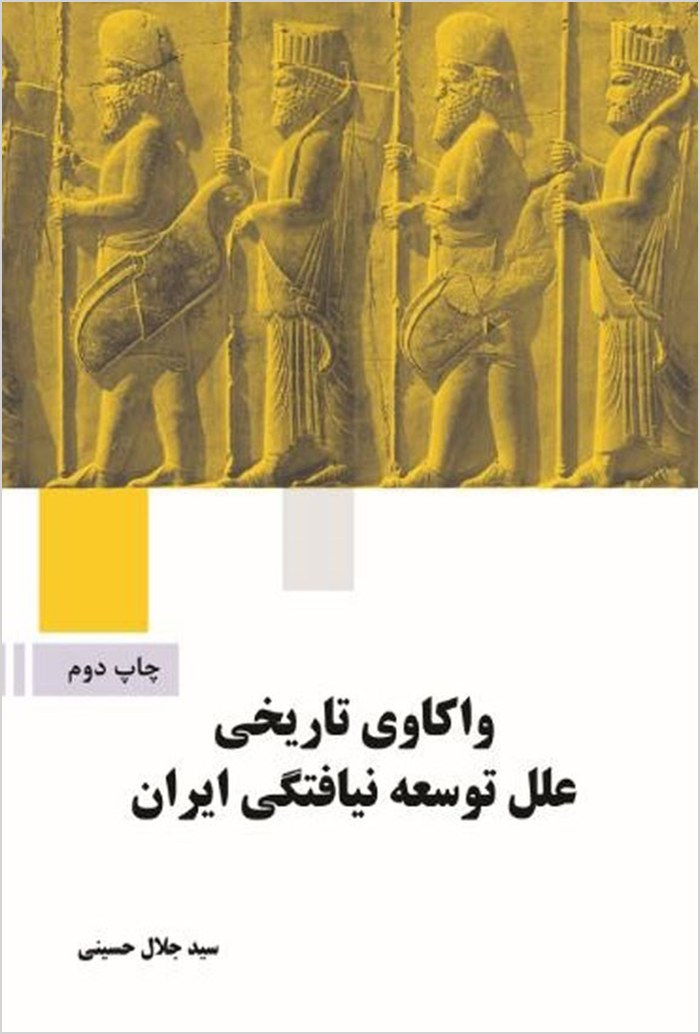
Vākāvī-i tārīkhī-i ʻilal-i tawsiʻahʹnayāftagī-i Īrān
واکاوی تاریخی علل توسعهنیافتگی ایران
Price range: £18.00 through £48.00
In Vākāvī-i tārīkhī-i ʻilal-i tawsiʻahʹnayāftagī-i Īrān, Sayyid Jalāl Ḥusaynī investigates the historical causes of Iran’s underdevelopment. The book begins with a survey of education and scientific learning, then examines the effects of corruption, political authority and foreign relations on the country’s development. It follows Iran’s relations with major powers across several periods and considers how concessions, foreign intervention and conflict affected domestic choices. Later sections examine investment in oil and other industries, the role of political parties and the press, and the record of development plans before and after the revolution of 1357. The concluding discussion considers legal compliance, the place of women in decision-making, and the lack of agreement over what development should mean. Drawing together political, economic, social and cultural factors, the study asks why successive programmes fell short of their stated goals.
سید جلال حسینی در «واکاوی تاریخی علل توسعهنیافتگی ایران» ریشههای تاریخی توسعهنیافتگی کشور را در پیوند با سیاست، اقتصاد، جامعه و فرهنگ بررسی میکند. کتاب با مروری بر آموزش و دانش در ایران آغاز میشود و سپس به تأثیر فساد، شیوهٔ حکمرانی و روابط خارجی بر مسیر توسعه میپردازد. نویسنده مناسبات ایران با قدرتهای خارجی را در دورههای گوناگون دنبال میکند و نقش امتیازها، مداخلهها و جنگها را در شکلگیری تصمیمهای داخلی میسنجد. بخشهای بعدی به سرمایهگذاری در صنعت نفت و دیگر صنایع، نقش احزاب سیاسی و مطبوعات، و برنامههای عمرانی و توسعه پیش و پس از انقلاب ۱۳۵۷ اختصاص دارند. نویسنده کارنامهٔ برنامهها را در کنار موانع اجرای آنها بررسی میکند و در بخش پایانی به مسائلی چون رعایت قانون، حضور زنان در تصمیمگیری و نبود اجماع بر سر معنای توسعه میپردازد. این بررسی با کنار هم گذاشتن تجربههای دورههای مختلف، نشان میدهد که پرسش از توسعهنیافتگی ایران چگونه به نهادهای آموزشی و سیاسی، جهتگیری اقتصادی و مناسبات کشور با جهان گره میخورد.
Related products