Downloadable Book
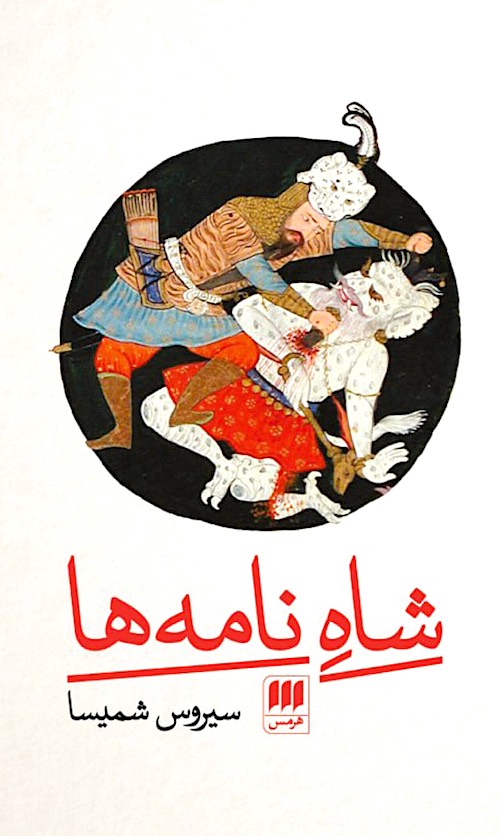
Shāh-i nāmahʹhā
شاه نامهها
Price range: £20.00 through £49.50
 Table of contents, Introduction, Sample pages
The "Shāhnāmah" is a treasure trove of Iranian mythology, culture, and history, with many aspects yet to be fully explored. From this perspective, the book "Shāh-i Nāmah-hā" takes another step towards better-acquainting readers and enthusiasts of "Firdawsī" with this literary masterpiece of Iran and the world, and in a way, it pays homage to the character and work of "Ḥakīm Abū al-Qāsim Firdawsī".
This book is the result of the scattered notes of "Dr. Sīrus Shamīsā", compiled during his teaching of the Shāhnāmah in classes outside the university. These notes are primarily the product of his personal studies and theories on the text of the Shāhnāmah, and in some cases, they differ from conventional and traditional theories. The author's most significant approach to the Shāhnāmah in this book is transforming the story into history or finding a connection between the two.
Shāh-i Nāmah-hā consists of twenty chapters and thoroughly examines various aspects of the Shāhnāmah. It covers everything from the mythological foundations of the Shāhnāmah and ancient Iranian religions to storytelling in the Shāhnāmah, literary semiotics, and rhetorical arts.
شاهنامه گنجینهای از اساطیر و فرهنگ و تاریخ ایرانی است که همهٔ جنبههای آن هنوز مورد بررسی قرار نگرفته است. از این منظر کتاب «شاهِ نامهها» قدم دیگری در جهت شناساندن بهتر این شاهکار ادبی ایران و جهان به مخاطبین و علاقمندان فردوسی و به نوعی ادای دینی است به شخصیت و کار حکیم ابوالقاسم فردوسی.
این کتاب حاصل یادداشتهای پراکندهی دکتر سیروس شمیسا است که طی تدریس شاهنامه در کلاسهای درس خارج از دانشگاه داشته. این یادداشتها عمدتاً محصول مطالعات و نظریات شخصی او در متن شاهنامه است و در مواردی با نظریات مرسوم و سنتی متفاوت. مهمترین رویکرد نویسنده به شاهنامه در این کتاب، تبدیل داستان به تاریخ یا یافتن ارتباطی میان این دو است.
«شاهِ نامهها» بیست فصل دارد و به طور مفصل جنبههای مختلف شاهنامه را بررسی میکند. از بنیادهای اساطیری شاهنامه و دینهای کهن ایران تا داستانپردازی در شاهنامه، نشانهشناسی ادبی و هنرهای بلاغی.
Related products