Downloadable Book
 Downloadable Book
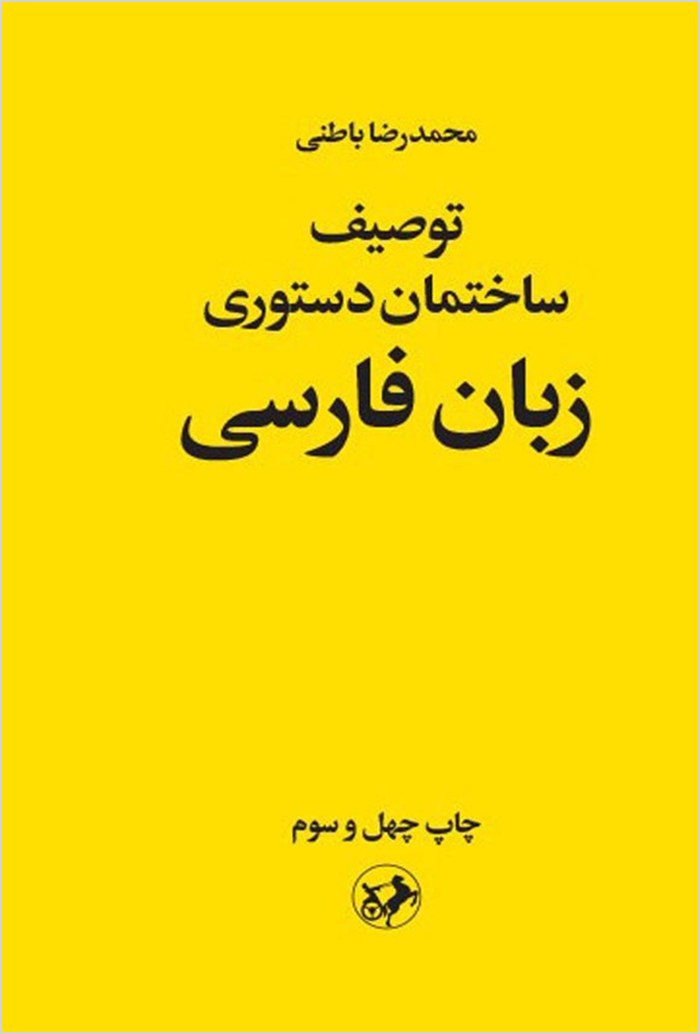
Tawṣīf-i sākhtimān-i dastūrī-yi zabān-i Fārsī: bar bunyād-i yak naẓarīyah-yi ʻumūmī-yi zabān
توصیف ساختمان دستوری زبان فارسی: بر بنیاد یک نظریهٔ عمومی زبان
Price range: £12.33 through £34.00
Muḥammad Riz̤ā Bāṭinī's structural grammar of Modern Persian applies scale-and-category theory to a corpus of nearly eleven thousand sentences drawn from books, periodicals, newspapers, and everyday conversation. Avoiding semantic criteria wherever possible, the author seeks structural relationships within the language, producing what is widely regarded as the first comprehensive Persian grammar composed by modern linguistic method. Opening chapters define language and set out the apparatus of category and scale before turning to analysis. Later chapters examine sentence structure, clause structure, the verbal group, the nominal group, and the adverbial group, closing with word structure. A list of irregular Persian verbs and two glossaries of terminology accompany the main text. Long treated as foundational reading for students of Persian linguistics, the work began as the author's doctoral dissertation at the University of Tehran and has since been reprinted many times.
این کتاب که نخستین دستور ساختمانی زبان فارسی بر پایهٔ اسلوب نوین زبانشناسی به شمار میرود، بر اساس تجزیه و تحلیل نزدیک به یازده هزار جملهٔ فارسی امروزی نوشته شده که از کتابها، مجلات، روزنامهها و گفتوگوهای روزمرهٔ فارسیزبانان استخراج شده است. نویسنده با تکیه بر نظریهٔ مقوله و میزان و با پرهیز حتیالمقدور از ملاکهای معنایی، روابط ساختمانی زبان فارسی را به شیوهای علمی و روشمند توصیف میکند. فصل نخست به تعریف زبان و بررسی نقاط ضعف دستورهای موجود میپردازد و مبانی نظری مقوله و میزان را پیش از ورود به تحلیل دقیق ساختمانی معرفی میکند. فصلهای بعدی به ترتیب ساختمان جمله، ساختمان بند، ساختمان گروه فعلی، ساختمان گروه اسمی، ساختمان گروه قیدی و سرانجام ساختمان کلمه را بررسی میکنند. فهرست افعال نامنظم فارسی و دو واژهنامهٔ اصطلاحات فنی زبانشناسی نیز همراه متن اصلی آمده است. این اثر که در اصل رسالهٔ دکتری نویسنده در دانشگاه تهران بوده، سالهاست به عنوان منبعی اساسی برای دانشجویان زبانشناسی فارسی شناخته میشود و بارها تجدید چاپ شده است.
Related products