Downloadable Book
 Downloadable Book
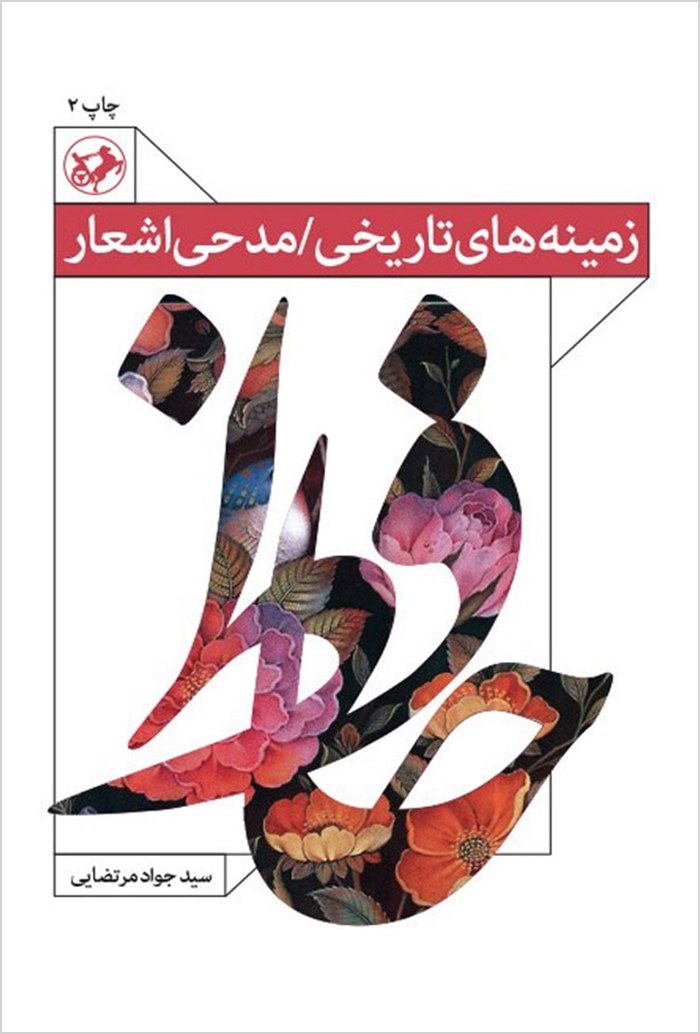
Zamīnahʹhā-yi tārīkhī / madḥī-i ashʻār-i Ḥāfiẓ
زمینههای تاریخی / مدحی اشعار حافظ
Price range: £13.60 through £37.00
Zamīnahʹhā-yi tārīkhī / madḥī-i ashʻār-i Ḥāfiẓ, by Sayyid Javād Murtaz̤āʼī, examines the historical and panegyric contexts of the poet’s verse. The study argues that references to rulers, patrons and political events are important to interpreting particular poems, alongside their literary language and imagery. Its first chapter surveys the rulers of Shīrāz during Ḥāfiẓ’s lifetime, including the Injuid and Muzaffarid courts, changes of power and the arrival of Timur. The second considers praise in Persian ghazals before Ḥāfiẓ, discussing poets such as Sanāʼī, Anvarī, Khāqānī, Saʻdī and Khvājū. The final chapter identifies poems with historical or panegyric contexts and analyses selected examples, their forms and the figures they address. Readings are compared with historical accounts and earlier interpretations, including those of Qāsim Ghanī and Parvīz Nātil Khānlarī. The volume includes an index of opening lines, references and an index of people and places.
کتاب زمینههای تاریخی / مدحی اشعار حافظ، نوشته سیدجواد مرتضایی، به بررسی پیوند شعر حافظ با رویدادهای تاریخی، مناسبات قدرت و مدح فرمانروایان و بزرگان روزگار او میپردازد. نویسنده توجه به عوامل بیرون از متن را برای فهم برخی اشارهها و تعبیرهای شعر ضروری میداند و خوانش ادبی را با مراجعه به گزارشهای تاریخی همراه میکند. فصل نخست تصویری از حکمرانان شیراز در عصر حافظ، از ابواسحاق اینجو و امیر مبارزالدین تا شاهشجاع، شاهمنصور و ورود تیمور ارائه میدهد. فصل دوم جایگاه مدح در غزل فارسی پیش از حافظ را با بررسی نمونههایی از سنایی، انوری، خاقانی، سعدی، خواجو و دیگر شاعران دنبال میکند. در فصل سوم، اشعار دارای زمینه تاریخی یا مدحی شناسایی میشوند و ساختار، ممدوحان و نمونههای مشخص آنها تحلیل میشود. کتاب همچنین با برخی داوریهای قاسم غنی و روایت خانلری وارد گفتوگو میشود و اختلاف برداشتها از ابیات را مطرح میکند. فهرست مطلع ابیات، منابع و نمایه اشخاص و اعلام جغرافیایی، مراجعه به شعرها و موضوعات مورد بحث را آسان میسازد و زمینه پیگیری پژوهش در تاریخ و نقد شعر فارسی را فراهم میکند.
Related products
Book