Downloadable Book
 Downloadable Book
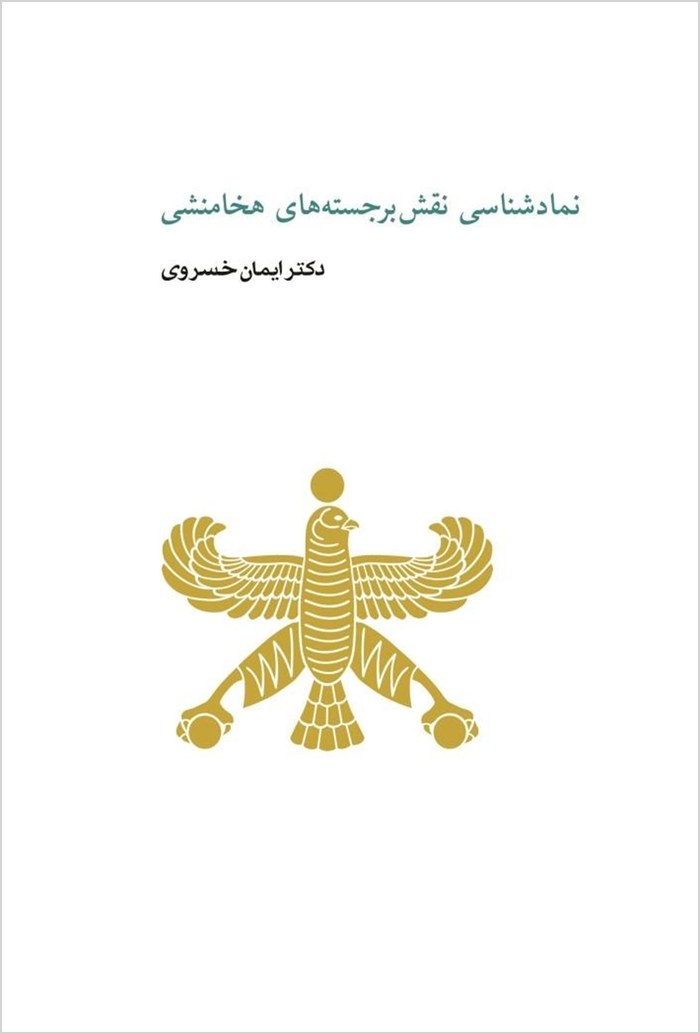
Namādʹshināsī-i naqshʹbarjastahʹhā-yi Hakhāmanishī
نمادشناسی نقشبرجستههای هخامنشی
Price range: £10.63 through £30.00
Achaemenid rock reliefs rank among the richest surviving sources for the political history, ideology, and visual culture of ancient Īrān, yet their dense repertoire of symbols has long resisted systematic reading. This study sets out to remedy that gap, offering a thematic classification of the carved imagery alongside a sustained attempt to decode its symbolic content. Drawing on iconography, semiotics, and hermeneutic theory, and combining written historical sources with first-hand fieldwork at the monuments, the author moves beyond mere description towards interpretation of the figures, plants, animals, and composite creatures that populate the reliefs. Particular attention falls on the winged disc commonly identified as the farvahar, the question of Cyrus and the Dhūʹl-Qarnayn tradition, and the relationship between Achaemenid imagery and Zoroastrian belief, illuminating how a worldview was rendered in enduring stone.
نقشبرجستههای هخامنشی از ممتازترین منابع برجایمانده برای شناخت تاریخ سیاسی، اندیشه و فرهنگ تصویری ایران باستان به شمار میروند؛ با این همه، مجموعهی پرشمار نمادهای ریز و درشت نهفته در آنها دیرزمانی از خوانشی روشمند و دقیق برکنار مانده و بیشتر در حد توصیف باقی مانده بود. این پژوهش میکوشد آن کاستی را جبران کند و در کنار طبقهبندی موضوعی نقشها، به رمزگشایی نظاممند معنای نمادین آنها بپردازد. نگارنده با تکیه بر رهیافتهای آیکونوگرافی، نشانهشناسی و هرمنوتیک، و با پیوند منابع مکتوب تاریخی با مشاهدهی میدانی آثار، از توصیف صرف فراتر میرود و به تفسیر پیکرهها، گیاهان، جانوران و موجودات ترکیبی پرشمار این نقشها میپردازد. تحلیل نماد بالدار موسوم به فروهر و خاستگاه اوستایی و دینی آن، مسئلهی کوروش و سنت ذوالقرنین، و نسبت میان هنر هخامنشی و باور زرتشتی از محورهای برجستهی کتاب است. اثر در پایان، با تکیه بر سنگنبشتهها و آموزههای گاتایی، نشان میدهد جهانبینی این دودمان چگونه در پیکر سنگی این یادمانها جاودانه شده است.
Related products