Downloadable Book
 Downloadable Book
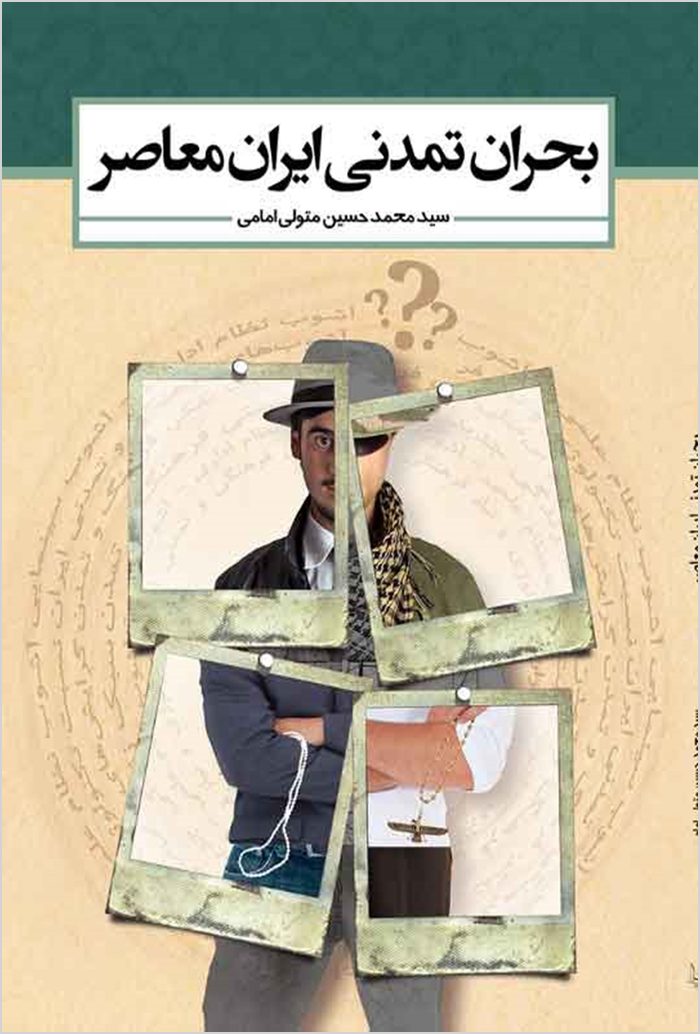
Buḥrān-i tamaddunī-i Īrān-i muʻāṣir
بحران تمدنی ایران معاصر
Price range: £9.78 through £28.00
Developed from lectures delivered to seminary students in Iṣfahān, this study reads the predicament of contemporary Iranian society through the lens of civilisation studies. Its central claim is that culture is a networked phenomenon with a defining centre, and that when that centre erodes and rival behavioural systems come to govern a society, civilisational rupture follows. The author traces how Iranians have grown distant from the coherent order of earlier eras, falling into wide-ranging fractures that recent decades have only deepened. After setting out the concept and features of civilisation and the relationship between thought, culture, and civilisation, the work surveys a sequence of cultural disorders—in urban planning, the scientific and administrative systems, sexual mores, and cinema—before turning to the requisites for emerging from crisis: cultivating genuine need and orientation, governmental ijtihād and system-building, and a discerning appropriation of the West.
این کتاب، که از مجموعهای از سخنرانیهای مؤلف در میان طلاب حوزهی علمیهی اصفهان فراهم آمده است، وضعیت جامعهی معاصر ایران را از منظر مطالعات تمدنی میخواند و میکوشد منظری نو در تحلیل وقایع و الگوسازی عملی برای فعالیتهای علمی و فرهنگی بگشاید. ادعای محوری اثر آن است که فرهنگ پدیدهای شبکهای و دارای مرکزیتی تعیینکننده است و آنگاه که این مرکزیت از میان برود و نظامهای رفتاری گوناگون بر جامعه حاکم شوند، گسست تمدنی رخ مینماید. نگارنده نشان میدهد که ایرانیان هرچه از نظم شکوهمند دورانهای پیشین فاصله گرفتهاند، به گسستهای تمدنی پهندامنهای دچار شدهاند که در دهههای اخیر بر ژرفای آن افزوده شده است. اثر پس از طرح مفهوم و مختصات تمدن و نسبت میان تفکر، فرهنگ و تمدن، رشتهای از آشوبهای فرهنگی و تمدنی را—در شهرسازی، نظام علمی و اداری، اخلاق جنسی و سینما—بازمینمایاند و سپس به بایستههای خروج از بحران میپردازد: ایجاد گرایش و نیاز راستین، اجتهاد حکومتی و نظامسازی، و تصرف آگاهانه در مظاهر تمدنی غرب. اثر در شمار آثار مطالعات تمدن اسلامی جای میگیرد.
Related products