Downloadable Book
 Downloadable Book
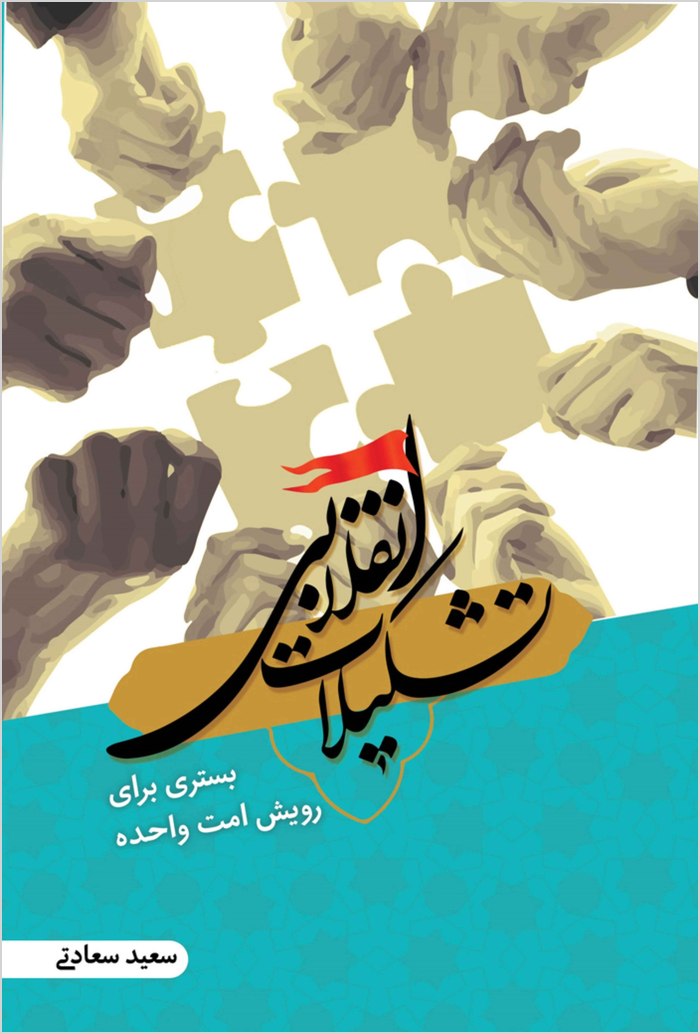
Tashkīlāt-i inqilābī: bastarī barā-yi rūyish-i ummat-i vāḥidah
تشکیلات انقلابی: بستری برای رویش امت واحده
Price range: £16.40 through £44.50
A wide-ranging study of revolutionary organisation grounded in Islamic thought, this work argues that collective, structured action is indispensable to advancing the cause of truth in society. Drawing on Qurʼānic verses, the traditions of the Shīʻah Imams, and the addresses of the leaders of the Islamic Revolution, it presents organisation as the historical instrument by which prophets and reformers have confronted falsehood. The text is built around a sequence of concise thematic units, treating in turn the necessity and aims of revolutionary structures, the principles and values that should govern them, their defining characteristics, their mission within an Islamic society, and a detailed pathology of the obstacles and ailments that weaken collective endeavour. Particular attention is given to leadership, discipline, sincerity, foresight, and guardianship, alongside the dangers of bureaucracy, factionalism, and spiritual decay, offering practitioners a practical native model.
این اثر با نگاهی همهجانبه به مقولهٔ تشکیلات در اندیشهٔ اسلامی، میکوشد ضرورت کار جمعی و سازمانیافته را برای پیشبرد جبههٔ حق در جامعه تبیین کند. نویسنده با تکیه بر آیات قرآن کریم، سیرهٔ امامان شیعه و بیانات رهبران انقلاب اسلامی، تشکیلات را همان ابزار تاریخی میداند که پیامبران و مصلحان در رویارویی با باطل از آن بهره بردهاند و بر این باور است که هر حرکت پایدار در راه حق، بدون سازماندهی و انسجام به نتیجه نمیرسد. ساختار کتاب بر مجموعهای از خشتهای موضوعی استوار است و به ترتیب به کلیات و ضرورت و اهداف تشکیلات انقلابی، اصول و ارزشهای حاکم بر آن، شاخصهها و ویژگیها، رسالت و نقش آن در جامعهٔ اسلامی، و در پایان آسیبشناسی موانع و آفتهایی میپردازد که کار تشکیلاتی را سست میکنند. مفاهیمی چون خدامحوری، ولایتپذیری، انضباط، اخلاص، عدالتورزی، بصیرت سیاسی و آیندهنگری در کنار خطرهایی همچون بروکراسی، تفرقهافکنی، عملزدگی و مرگ معنوی بررسی میشوند تا تصویری کاربردی برای فعالان عرصهٔ کار جمعی فراهم آید و الگویی بومی و برآمده از منابع دینی پیش نهاده شود.
Related products

Book