Downloadable Book
 Downloadable Book
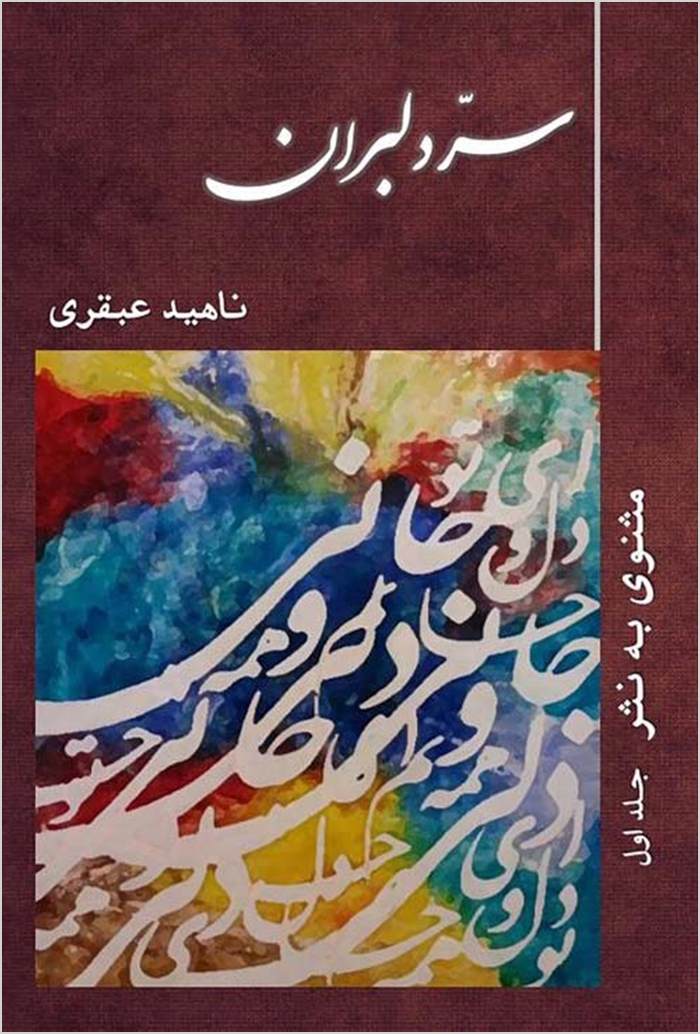
Sirr-i dilbarān: Masnavī bih nasr
سرّ دلبران: مثنوی به نثر
Price range: £24.00 through £60.00
In Sirr-i dilbarān, Nāhīd ʻAbqarī retells the six books of Jalāl al-Dīn Rūmī's Masnavī in Persian prose. The work opens with an account of Rūmī's life and then follows the order of the six books across two volumes, beginning with the lament of the reed. Familiar stories, including the king and the slave girl, the merchant and the parrot, and Moses and the shepherd, appear alongside shorter anecdotes and passages of reflection. The prose makes the sequence of events and shifts between speakers easier to follow while drawing attention to the ethical and mystical ideas developed through the stories. Explanations of imagery and terms help readers understand how ordinary encounters become occasions for reflection on longing, judgement, pride and spiritual change. The arrangement allows readers to follow the unfolding argument of each book or to return to a particular story and read it alongside Rūmī's verse.
ناهید عبقری در سرّ دلبران، حکایتها و بخشهای تأملی شش دفتر مثنوی مولانا را به نثر فارسی بازمیگوید. اثر با شرحی از زندگی مولانا آغاز میشود و پس از آن، از نینامه به حکایتهای دفتر نخست میرسد و مطالب را در دو جلد به ترتیب دفترهای مثنوی دنبال میکند. داستانهایی چون پادشاه و کنیزک، بازرگان و طوطی و موسی و شبان در کنار روایتهای کوتاهتر و توضیح نکتههای اخلاقی و عرفانی آمدهاند. بازگویی منثور، دنبال کردن رخدادها، گفتوگوها و رفتوآمد میان حکایت و تأمل را آسانتر میکند. توضیح برخی تعبیرها و تصویرها نیز نشان میدهد که چگونه مولانا از یک موقعیت روزمره یا گفتوگویی ساده به پرسشهایی دربارۀ شوق، داوری، خودبینی و دگرگونی درونی میرسد. در شرح آغاز مثنوی، برای نمونه، نالۀ نی به جدایی و اشتیاق بازگشت پیوند میخورد و زمینهای برای خواندن حکایتهای بعدی فراهم میشود. ترتیب مطالب به خواننده امکان میدهد مسیر روایت و استدلال هر دفتر را پی بگیرد یا به حکایتی مشخص بازگردد و آن را در کنار ابیات مثنوی بخواند.
Related products