Downloadable Book
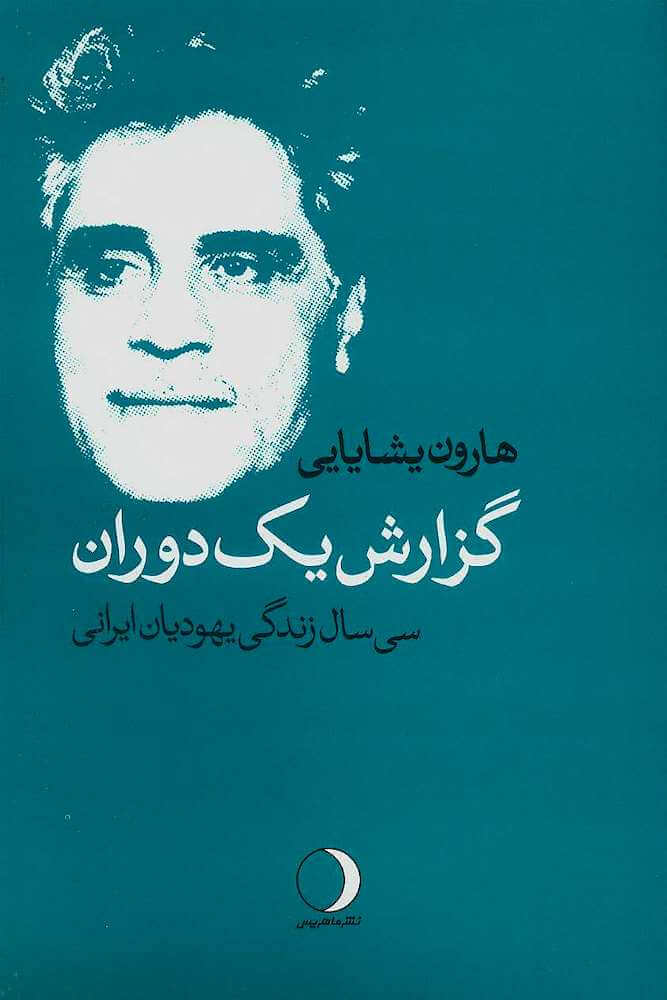
Guzārish-i yak daurān; Sī sāl-i zindagī-i Yahūdiyān-i Īrānī
گزارش یک دوران؛ سی سال زندگی یهودیان ایرانی
Price range: £14.50 through £36.25
 Table of contents, Preface, Introduction, sample pages
Judaism is deeply bound to history: ritual reading of the Torah, Talmudic narratives, and an ethic of remembrance that runs from the joyful Passover Seder to the mournful Ninth of Av. Yet, too often, remembrance is treated as obligation rather than lesson. Iran’s Jews, with a long, eventful past, remain under-documented in recent decades: after 1357 many writers emigrated; those who stayed often adopted caution, leaving only scattered items in community bulletins such as Tamūz and Ufuq-i Binā, both fostered by Hārūn Yashayāʾī. This book offers his first-hand chronicle—critical in tone, frank about setbacks, and grounded in newly released documents—so the record is not left unwritten. Not a panegyric but an evidence-led report, it invites other witnesses to add their accounts and help complete a usable history of contemporary Iranian Jewry.
این کتاب گزیدهای از حضور فعال و کسب تجربیات نویسنده در سالهای بعد از پیروزی انقلاب اسلامی ایران میباشد. همان طور که از نام کتاب پیداست نویسنده سعی کرده است گزارشی واقع بینانه را از زندگی بخشی از مردم ایران، در موقعیتی خاص برای خوانندگان تشریح نماید و برخی از نقاط مبهمی را که در ارتباط با زندگی این مردم وجود دارد، روشن نموده و رفع ابهام کند.
Related products