Downloadable Book
 Downloadable Book
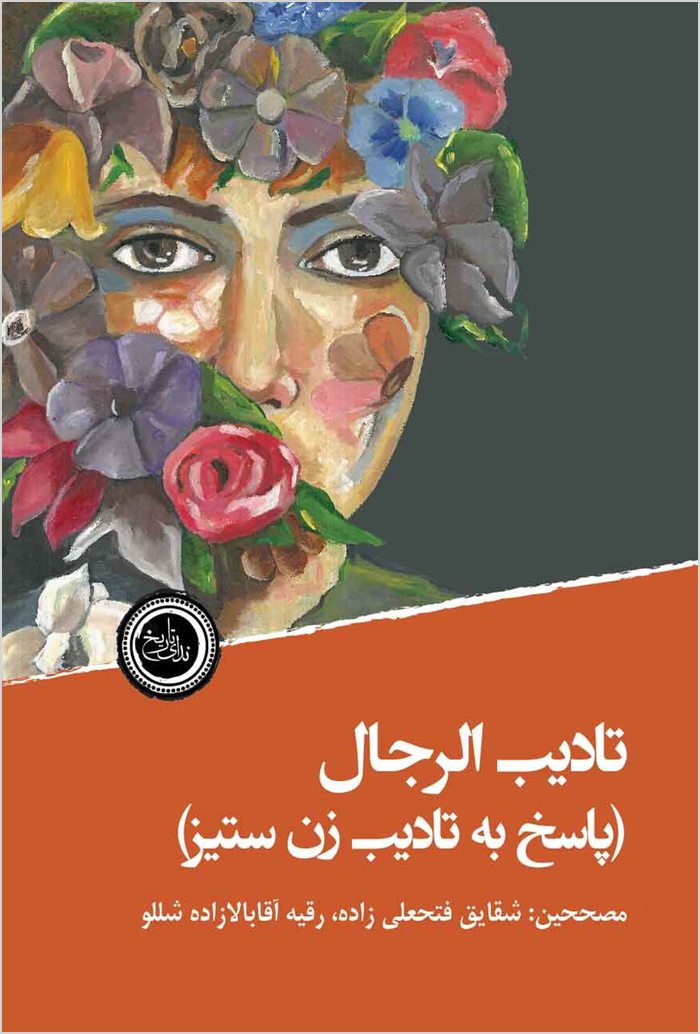
Taʼdīb al-rijāl: (pāsukh bih Taʼdīb al-nisvān-i zan sitīz)
تأدیب الرجال: (پاسخ به تأدیب النسوان زن ستیز)
Price range: £9.78 through £29.00
This rare feminist text represents a pioneering example of women's resistance literature in early 20th-century Īrān. Written as a direct response to the prevalent misogynistic conduct manuals of the Qajar period, particularly the notorious 'Taʼdīb al-nisvān', this anonymous work courageously challenges patriarchal social norms and defends women's intellectual capacity and social rights. The treatise systematically refutes male-authored critiques of women's behaviour, turning the moral instruction genre on its head by examining men's failings instead. Edited by contemporary scholars Shaqāʼiq Fatḥ ʻAlī Zādah and Ruqīyah Āqābāʼī Zādah Shallū, this critical edition preserves an important voice in the early Persian women's rights movement and provides valuable insights into gender dynamics, domestic life, and social expectations during the transition from Qajar to modern Iran.
این متن فمینیستی نادر نمونهای پیشگام از ادبیات مقاومت زنان در اوایل قرن بیستم ایران است. این اثر ناشناخته که بهعنوان پاسخی مستقیم به کتابچههای آموزش اخلاقی زنستیز رایج در دوره قاجار، بهویژه «تأدیب النسوان» نگاشته شده، با شجاعت هنجارهای اجتماعی مردسالارانه را به چالش میکشد و از ظرفیت فکری و حقوق اجتماعی زنان دفاع میکند. این رساله بهطور منظم انتقادات مردان از رفتار زنان را رد میکند و با وارونه کردن ژانر آموزش اخلاقی، به جای زنان، نقایص مردان را بررسی میکند. این نسخه انتقادی که توسط محققین معاصر شقایق فتحعلیزاده و رقیه آقابائیزاده شللو ویرایش شده، صدای مهمی از جنبش اولیه حقوق زنان ایرانی را حفظ کرده و بینشهای ارزشمندی درباره روابط جنسیتی، زندگی خانگی و انتظارات اجتماعی در دوران گذار از قاجار به ایران مدرن ارائه میدهد.
Related products