Downloadable Book
 Downloadable Book
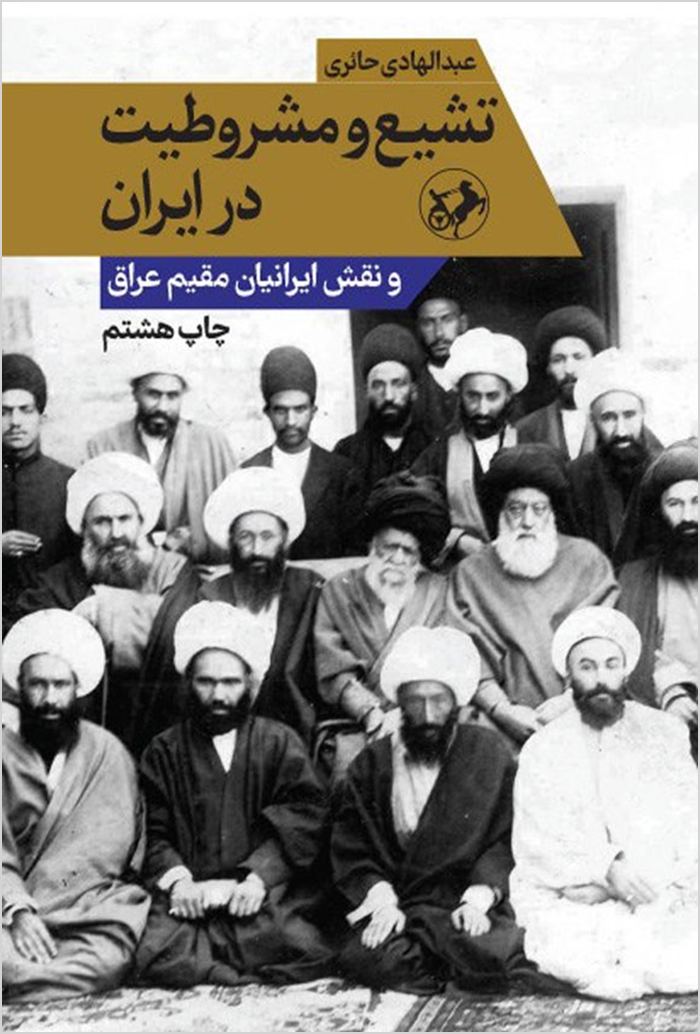
Tashayyuʻ va mashrūṭīyat dar Īrān va naqsh-i Īrāniyān-i muqīm-i ʻIrāq
تشیع و مشروطیت در ایران و نقش ایرانیان مقیم عراق
Price range: £15.73 through £41.00
This study examines the response of the Shīʻa religious leadership to the Iranian Constitutional Revolution of 1906, both in their practical involvement and in the intellectual contribution they made to the movement. At its heart lies the thought of Mīrzā Muḥammad Ḥusayn Nāʼīnī (1860–1936), whose treatise Tanbīh al-ummah va tanzīh al-millah offered the most systematic defence of constitutional government from within the framework of Shīʻa political doctrine. The author traces the intellectual roots of constitutionalism in Īrān, the stance of the mujtahids towards the apparatus of state, and the apparent tensions between constitutionalism and Shīʻism. Particular emphasis falls on the pivotal role played by the Iranian ʻulamāʼ resident in ʻIrāq, especially the scholars of Najaf, in shaping events and restoring the constitutional order. Nāʼīnī emerges as the foremost exponent of the religious leaders whose authority and writings sustained the revolution and gave it doctrinal legitimacy.
این کتاب واکنش رهبران مذهبی شیعه را در برابر انقلاب مشروطیت ایران (۱۹۰۶)، چه از حیث درگیری عملی و چه از نظر کمکهای فکری آنان به این جنبش، مورد بررسی قرار میدهد. کانون اصلی پژوهش، اندیشههای میرزا محمدحسین نائینی (۱۸۶۰–۱۹۳۶) است که در رساله تنبیهالامه و تنزیهالمله منظمترین و استوارترین دفاع از حکومت مشروطه را در چارچوب نظریه سیاسی تشیع عرضه کرد. نویسنده ریشههای فکری مشروطیت در ایران، موضع مجتهدان در برابر دستگاه سیاست، و تفاوتها و تناقضهای ظاهری میان مشروطیت و تشیع را میکاود و مفاهیم استبداد، مشروطه، آزادی و برابری و نیز کارکرد نظام مشروطه و انتخابات پارلمانی را از دیدگاه نائینی تحلیل میکند. تأکید ویژه بر نقش برجسته علمای ایرانی مقیم عراق، بهویژه عالمان نجف، در شکلدهی به رویدادها و بازگرداندن نظام مشروطه در سال ۱۹۰۹ است. همچنین اندیشههای علمای مخالف مشروطه نیز بررسی شده است. نائینی در این اثر همچون شاخصترین نماینده رهبران مذهبی پدیدار میشود که اعتبار و نوشتههایشان مهمترین نیروی پشتیبان انقلاب بود و به آن مشروعیت دینی بخشید.
Related products