Downloadable Collection
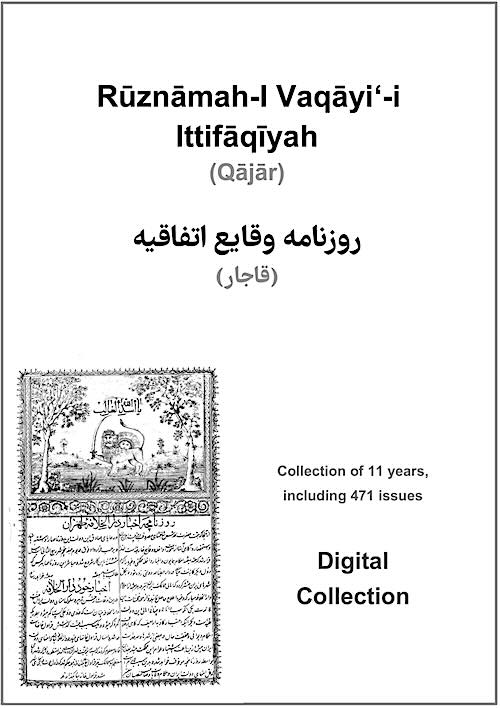
Vaqāyiʻ-i Ittifāqīyah, Rūznāmah-i (Qājār) – Collection of 11 years including 471 issues
روزنامه وقایع اتفاقیه (قاجار) - آرشیو ۱۱ سال شامل ۴۷۱ شماره نشریه
Price range: £139.00 through £320.00
 Brochure, Sample issue
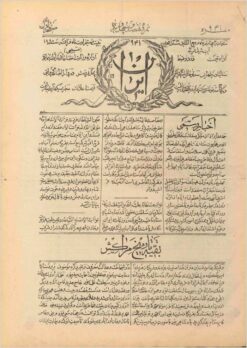
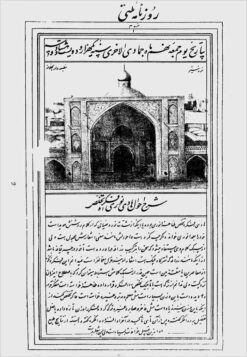
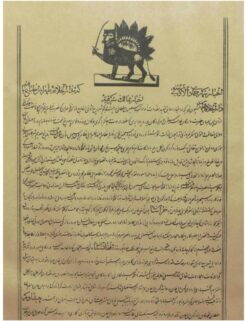
The newspaper 'Vaqāyiʻ-i Ittifāqīyah' was established in Tehran under the management of 'Mīrzā Jabbār Tadhkirah-chī', the father of Saʻd al-Dawlah, with the assistance and translation of 'Burjīs Ṣāḥib', and through the encouragement and efforts of 'Mīrzā Taqī Khān Amīr Kabīr'. The first issue of this newspaper was published on Friday, 5th Rabīʻ al-Thānī 1267 AH, with the phrase 'Yā Asad Allāh al-Ghālib' and the lion and sun emblem inscribed on its masthead. On either side, two suns were drawn, and in the middle of the page, 'Rūznāmchah-i Akhbār-i Dār al-Khilāfah' was written, beneath which an autograph of Nāṣir al-Dīn Shāh was printed.
'Mīrzā ʻAbd Allāh Nāmī' has also been mentioned as a writer for this newspaper. 'Vaqāyiʻ-i Ittifāqīyah' was the third Iranian newspaper and the second Persian-language newspaper. This publication, which changed its name to 'Rūznāmah-i Vaqāyiʻ-i Ittifāqīyah' from its second issue, generally had the following names throughout its lifetime: Issue one: 'Rūznāmchah-i Akhbār-i Dār al-Khilāfah-i Tihrān'; Issues 2 to 470: 'Rūznāmah-i Vaqāyiʻ-i Ittifāqīyah'; Issue 471: 'Rūznāmah-i Vaqāyiʻ'; and from Issue 472, its name changed to 'Rūznāmah-i Dawlat-i ʻAlīyah-i Īrān'. Its publication schedule was weekly for the first nine years, and irregular from the tenth year, with the number of pages varying from four to twelve.
'Vaqāyiʻ-i Ittifāqīyah' was published on Fridays until its sixteenth issue, and thereafter on Thursdays. In terms of layout, news and articles were printed in two columns up to issue 318, after which the column format was abandoned, and the content was published in a single column with ruled margins, similar to printed books of that time. This newspaper was published in a 30.5 x 17 cm format on paper manufactured in Isfahan, using lithography, with a print run of 600 to 700 copies. 'Vaqāyiʻ-i Ittifāqīyah' was printed in Tehran's Arg Square at the private factory of Ḥājī ʻAbd al-Muḥammad.
The newspaper 'Vaqāyiʻ-i Ittifāqīyah' was dedicated to publishing news from the capital and other Iranian cities, along with brief reports from foreign countries. Therefore, throughout its publication, it rarely featured political, literary, or historical articles, as its main purpose was to disseminate news from the court and the capital, Tehran. Typically, the newspaper began with events from the capital, prioritising news related to the Shah, such as His Majesty's hunting expeditions, visits to institutions and courtiers, titles and decrees bestowed upon various individuals, and gifts given. This was followed by other events occurring in Tehran.
This newspaper had several notable features: Firstly, it published the prices of essential goods, making it valuable for research into Iran's economic history. Secondly, government notices were published under the title 'Ishtihār-nāmah', which are useful for studying political history and social developments. Thirdly, news of Nāṣir al-Dīn Shāh's domestic travels, which is valuable for researchers of Iran's historical geography during the Qajar period. Descriptions of historical sites and ancient monuments are also significant from an archaeological perspective. The fourth advantage is its simple language, which can be considered a turning point in the evolution of Persian prose. Fifth, and most importantly, it recorded news from Iran and the world, which holds great historical value. Sixth, it responded to announcements and articles about Iran published in foreign colonial powers' newspapers.
'Vaqāyiʻ-i Ittifāqīyah' was published from issue 1 to 41 during the 'era of Amīr Kabīr's premiership'. From that issue until issue 396, it was published during the premiership of 'Mīrzā Āqā Khān Nūrī', and from issue 397 until the end of its life in Iran, it was published without a prime minister.
Available issues:
- 1267 H.Q. (38 Issues: No. 1-38)
- 1268 H.Q. (51 Issues: No. 39-89)
- 1269 H.Q. (50 Issues: No. 90-139)
- 1270 H.Q. (51 Issues: No. 140-190)
- 1271 H.Q. (51 Issues: No. 191-241)
- 1272 H.Q. (50 Issues: No. 242-291)
- 1273 H.Q. (51 Issues: No. 292-342)
- 1274 H.Q. (50 Issues: No. 343-392)
- 1275 H.Q. (50 Issues: No. 393-442)
- 1276 H.Q. (26 Issues: No. 443-468)
- 1277 H.Q. (3 Issues: No. 469-471)
«روزنامه وقایع اتفاقیه» به مدیری «میرزا جبار تذکره چی» والد سعدالدوله و مباشرت و مترجمی «برجیس صاحب» و به تشویق و همت «میرزا تقیخان امیرکبیر» در تهران تأسیس گردیده است. اولین شماره این روزنامه در روز جمعه ۵ ربیعالثانی سال ۱۲۶۷ق انتشار یافته و در عنوان آن جمله «یا اسداللهالغالب» و شیر و خورشید رقم شده و در طرفین آن صورت دو خورشید کشیده و در وسط ورق «روزنامچه اخبار دارالخلافه» نوشته شده و در زیر آن دستخطی از ناصرالدین شاه چاپ کردهاند. از «میرزا عبدالله نامی» نیز به عنوان نویسندهُ این روزنامه یاد شده است. روزنامه وقایع اتفاقیه سومین روزنامه ایرانی و دومین روزنامه فارسی است. این نشریه که از شمارهُ دوم به «روزنامه وقایع اتفاقیه» تغییر نام داد، بهطور کلی در طول حیاتش نامش چنین بوده است: شمارهُ یک: «روزنامچه اخبار دارالخلافه تهران»؛ شماره ۲ تا ۴۷۰: «روزنامه وقایع اتفاقیه»؛ شماره ۴۷۱: «روزنامه وقایع» و از شماره ۴۷۲ نام آن به «روزنامه دولت عَلیّهٔ ایران» تغییر کرد. ترتیب نشر آن در ۹ سال نخست، هفتگی و از سال دهم نامنظم و تعداد صفحههای این روزنامه از چهار تا دوازده در نوسان بود.
روزنامه وقایع اتفاقیه تا شماره شانزدهم روزهای جمعه و از آن به بعد روزهای پنجشنبه منتشر میشد، از نظر صفحهبندی تا شماره ۳۱۸ اخبار و مطالب دو ستونی درج میشد اما از این شماره به بعد ستونبندی از بین رفت و مطالب به شکل کتابهای چاپی آن زمان فقط با حاشیه خطکشی شده و تک ستونی منتشر میشد. این روزنامه در قطع ۳۰/۵ در ۱۷ سانتیمتر با کاغذ ساخت اصفهان و با چاپ سنگی به تیراژ ۶۰۰ الی ۷۰۰ نسخه منتشر شد. وقایع اتفاقیه در میدان ارگ تهران و نزدیک کاخ سلطنتی تهیه میشد و چاپ آن در دروازه دولاب در چاپخانه خصوصی کارخانه حاجی عبدالمحمد انجام میگرفت.
روزنامه وقایع اتفاقیه مخصوص درج و انتشار اخبار دارالخلافه و شهرهای دیگر ایران و مختصری از اخبار ممالک خارجه بوده است و لذا در طول مدت انتشار کمتر مقاله سیاسی و ادبی و تاریخی در آن دیده میشود و بیشتر منظور از تأسیس آن همان انتشار اخبار دربار و دارالخلافه تهران بوده است. معمولاً در روزنامه ابتدا به ذکر وقایع دارالخلافه و در حوادث دارالخلافه نیز ابتدا به ذکر وقایع مربوط به شاه از قبیل شکار اعلیحضرت، دید و بازدیدهایی که از مؤسسات و اشخاص درباری مینموده و القاب و فرامین و عطایایی که به اشخاص مختلف داده میشده و پس از آن حوادث دیگری که در شهر تهران رخ داده گفتگو نموده.
این روزنامه امتیازات بسیاری دارد: نخست بهای مایحتاج مردم در آن درج میشد، بنابراین برای تحقیق در تاریخ اقتصادی ایران مفید است. دوم آگهیهایی از طرف دولت تحت عنوان اشتهار نامه منتشر میشد. تحقیق در اشتهار نامهها از نظر تاریخ سیاسی و تحولات و تطورات اجتماعی سودمند است. سوم اخبار سفرهای داخلی ناصرالدینشاه که برای محققان جغرافیای تاریخی ایران در دوره قاجار ارزشمند است. شرح مشاهدات اماکن و آثار باستانی نیز از نظر باستانشناسی اهمیت دارد.امتیاز چهارم زبان ساده آن است که میتوان سرفصل تحول نثر فارسی دانست. پنجم و مهمترین آن ثبت اخبار ایران و جهان است که ارزش تاریخی بالایی دارد. ششم پاسخ به اعلامیه و مقالاتی که در جراید خارجی قدرتهای استعماری درباره ایران اتخاذ میکردند.
روزنامه وقایع اتفاقیه از شماره ۱ تا شماره ۴۱ در «عهد صدارت امیرکبیر» منتشر شد. و از آن شماره به بعد تا شماره ۳۹۶ در دوره صدارت «میرزا آقاخان نوری» و از شماره ۳۹۷ تا پایان حیاتش در ایران بدون صدراعظم، انتشار یافت.
Rūznāmah-i Vaqāyiʻ-i Ittifāqīyah (Qājār)
Related products