Downloadable Book
 Downloadable Book
Sākhtārʹshināsī-i shiʻr-i kūdak
ساختارشناسی شعر کودک
Price range: £16.58 through £43.00
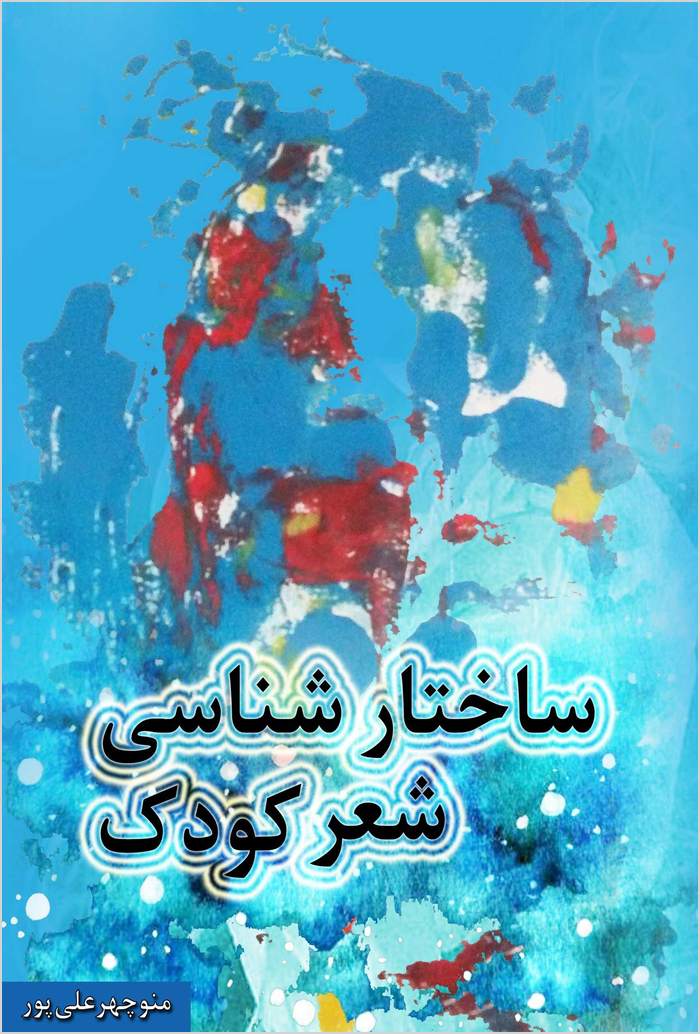
"Sākhtārʹshināsī-i shiʻr-i kūdak" (Structural Analysis of Children's Poetry) by Manūchihr ʻAlīʹpūr is an essential scholarly text examining the historical and formalistic dimensions of children's literature in Īrān[cite: 6, 9]. Published by Tīrgān, this comprehensive volume tracks the global and domestic evolution of children's literary traditions, ranging from lullabies and folklore to modern verse[cite: 7, 32]. The text dissects the structural mechanics of children's poetry, emphasising intrinsic and extrinsic musicality, rhythmic variations, phonetic repetition, and the impact of rhyme schemes[cite: 34]. Furthermore, the author evaluates the elements of poetic imagery, including metaphor, personification, and sensory integration[cite: 37]. By assessing linguistic simplicity and syntactic adaptations, the study establishes a robust theoretical framework[cite: 37]. The work concludes with critical evaluations of foundational Iranian poets like ʻAbbās Yamīnī Sharīf, Parvīn Dawlatʹābādī, Maḥmūd Kiyānūsh, Muṣṭafá Raḥmāndūst, and Qayṣar Amīnʹpūr, offering profound insights into their enduring contributions to Persian poetry[cite: 39].
کتاب «ساختارشناسی شعر کودک» به قلم منوچهر علیپور، اثری پژوهشی در بررسی تحلیلی ادبیات کودک در ایران است[cite: 6]. این اثر ارزشمند که توسط نشر تیرگان منتشر شده، در ابتدا به واکاوی پیشینه ادبیات کودکان در جهان و ایران پرداخته و انواع ادبی از جمله لالاییها، متلها و ترانههای عامیانه را معرفی میکند[cite: 7, 32]. در بخشهای کلیدی، مؤلف به چیستی شعر کودک ورود کرده و به بررسی تخصصی موسیقی بیرونی، درونی و کناری در اشعار، شامل قافیه و ردیف میپردازد[cite: 34]. همچنین بنیاد عاطفه و صور خیال اعم از تشبیه، استعاره، تشخیص و حسآمیزی در این گونهی ادبی با ظرافت بالایی تحلیل شده است[cite: 37]. بررسی نقش زبان عامیانه، سادگی و معرفی قالبهای رایج شعر نظیر مثنوی و چارپاره، به غنای علمی کتاب افزوده است[cite: 37]. در نهایت، با ارائه نقدهایی بر آثار نامآورانی چون عباس یمینیشریف، پروین دولتآبادی، محمود کیانوش، مصطفی رحماندوست و قیصر امینپور، منبعی بیبدیل برای منتقدان و علاقهمندان به ادبیات منظوم کودک فراهم آمده است[cite: 39].
Related products
Book