Downloadable Book
 Downloadable Book
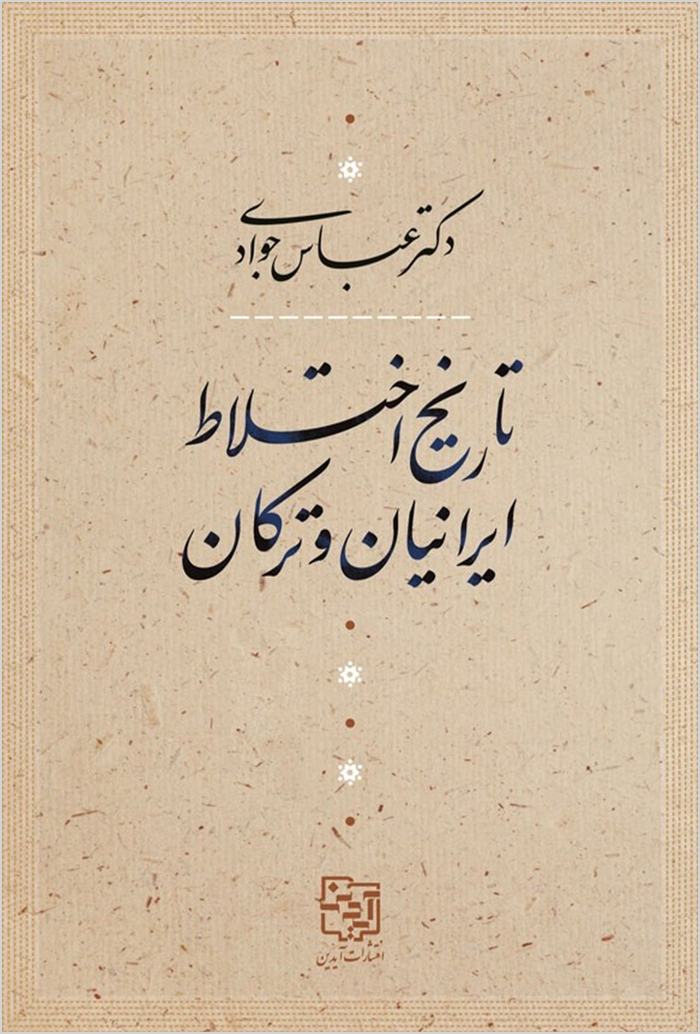
Tārīkh-i ikhtilāṭ-i Īrāniyān va Turkān
تاریخ اختلاط ایرانیان و ترکان
Price range: £12.33 through £34.00
Spanning more than a thousand years, this study traces the long history of acquaintance, neighbourliness, and ultimate intermingling between Iranian-speaking and Turkic-speaking peoples across a vast expanse stretching from the borders of China and Central Asia to Anatolia and Iraq. Drawing on the scholarship of Peter B. Golden and Lars Johanson, it reconstructs how successive historical epochs deepened the ethnic, linguistic, and cultural fusion of these communities. Beginning with the steppes of present-day Mughūlistān, where the ancestors of both Iranian-speaking Scythians and the earliest Turkic tribes once dwelt, it follows the rise of Turkic states, the Sughdian intermediaries of the Silk Road, the Ghaznavids, Saljūqs, and the Turkmen confederations of the Āqqūyūnlū and Qarāqūyūnlū. The work devotes particular attention to the continuity of Iranian identity, the reciprocal influence of Persian and Turkic, and the genetic affinities binding these peoples together.
این پژوهش، تاریخ طولانی آشنایی، همگرایی و سرانجام اختلاط ایرانیان و ترکان را در گسترهای پهناور، از مرزهای چین و آسیای مرکزی تا آناتولی و عراق، بررسی میکند. بیش از هزار سال است که ایرانیزبانان و ترکزبانان در کنار یکدیگر زیستهاند و در هر دورهٔ تاریخی، امتزاج تباری، زبانی، فرهنگی و اقتصادی آنان ژرفتر شده است. نویسنده با تکیه بر آثار پیتر گلدن و لارس یوهانسون، از دشتهای مغولستان کهن آغاز میکند، جایی که نیاکان سکاهای ایرانیزبان و نخستین قبایل ترک در آن میزیستند، و سپس برآمدن دولتهای ترک، نقش میانجی سغدیان در جادهٔ ابریشم، غزنویان، سلجوقیان و ترکمانان آققویونلو و قراقویونلو را تا روزگار صفویان دنبال میکند. بخشهای پایانی کتاب به تداوم هویت ایرانی، تأثیر متقابل زبانهای فارسی و ترکی، و خویشاوندی ژنتیکی این مردمان اختصاص یافته است؛ نکاتی که همگی نشان میدهند پیوند ایرانیان و ترکان در طول تاریخ ژرف و ناگسستنی بوده و میراثی فرهنگی مشترک و ماندگار پدید آورده است که هنوز در زبان و فرهنگ منطقه آشکار است.
Related products