Downloadable Book
 Downloadable Book
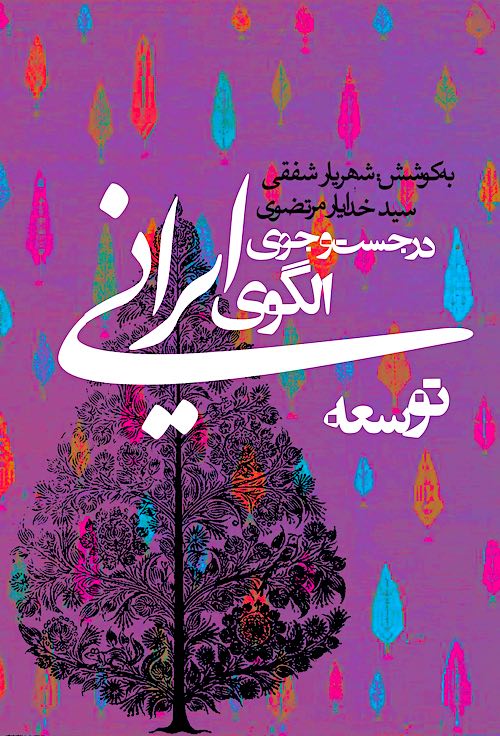
Dar just va jū-yi ulgū-yi Īrānī-i tawsiʻah
در جستوجوی الگوی ایرانی توسعه
Price range: £9.99 through £29.25
The necessity of developing a growth model based on the climatic, social, and cultural fabric of each country, known as the “indigenous model,” has been widely accepted by most theorists in the field of development and numerous development officials at international, regional, national, and local levels. However, achieving this requires comprehensive national dialogue among experts from various scientific disciplines, conducted in an environment free from non-scientific considerations. Today, it is acknowledged that the discussion on development and its related knowledge extends beyond the realm of economics. Perspectives presented in fields such as political science, sociology, law, history, geography, social psychology, women’s studies, international relations, philosophy, theology, anthropology, and many other branches of human knowledge also play an essential role.
The present book includes the discussions from the “Monthly Think Tank Sessions” held by the Afarīnesh Social Development Research Centre in collaboration with the “Centre for Science and Technology of the Academy of Sciences of the Islamic Republic,” aligned with this very approach.
ضرورت شکلگیری الگوی توسعه بر مبنای بافتار اقلیمی، اجتماعی و فرهنگی هر کشور، که با عنوان «الگوی بومی» شناخته میشود، از سوی غالب اندیشهورزان عرضه توسعه و شمار زیادی از متولیان توسعه در سطوح بینالمللی، منطقهای، ملی و محلی پذیرفته شده است. اما چنین امری مستلزم گفتوگوی فراگیر ملی میان صاحبنظران رشتههای گوناگون علمی، در فضایی فارغ از ملاحظات غیرعلمی است. امروزه این نکته مورد پذیرش قرار گرفته است که مبحث توسعه و دانش مربوط به آن فراتر از حوزه علم اقتصاد رفته است و در این زمینه آراء مطروحه در علوم سیاسی، جامعه شناسی، حقوق، تاریخ، غرافیا، روانشناسی اجتماعی، مطالعات زنان، روابط بینالملل، فلسه، دینشناسی، مردمشناسی و بسیاری دیکر از شاخنههای دانش بشری نیز نقش اساسی ایفا میکند. کتاب حاصر، در برگیرنده مباحث «نشستهای هماندیشی ماهانه» مرکز پژوهشی توسعه اجتماعی آفرینش با همکاری «مرکز علم و فناوری فرهنگستان علوم جمهوری اسلامی» در همین راستا است.
Related products