Downloadable Book
 Downloadable Book
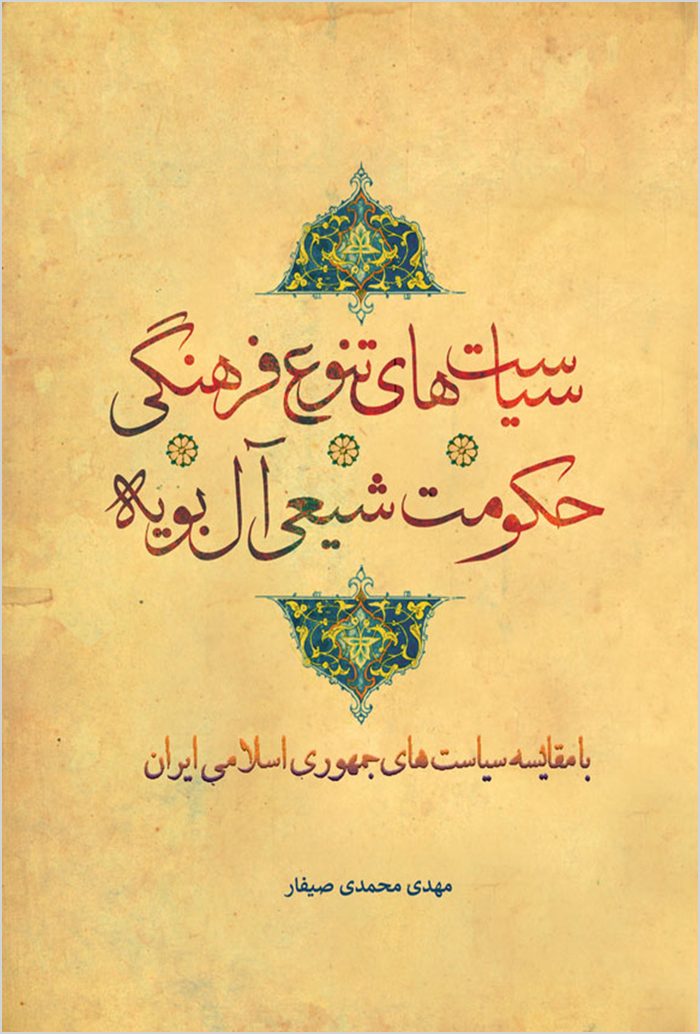
Sīyāsatʹhā-yi tanawwuʻ-i farhangī-i ḥukūmat-i Shīʻī-yi Āl-i Būyah: bā muqāyasah-yi sīyāsatʹhā-yi Jumhūrī-yi Islāmī-yi Īrān
سیاستهای تنوع فرهنگی حکومت شیعی آلبویه: با مقایسه سیاستهای جمهوری اسلامی ایران
Price range: £16.00 through £44.00
This scholarly study investigates the cultural diversity policies adopted by the Shīʻī Būyid dynasty, which governed extensive territories across Īrān and Iraq during the fourth Islamic century. Drawing on thematic analysis of historical sources, the work examines how the Būyid rulers managed a remarkably heterogeneous society encompassing diverse ethnic communities — including Persians, Arabs, Turks, Kurds, Daylamites, Gilites, Lurs, and Balūch — alongside adherents of Islam in its Shīʻī and Sunnī forms, as well as Zoroastrians, Christians, Jews, and Ṣābians. The study explores the administrative, cultural, and social mechanisms employed by the Būyids to maintain cohesion across this pluralistic realm, assessing the degree to which their governance reflected assimilationist, pluralist, or unity-in-diversity models of cultural policy. A substantial comparative chapter then evaluates these medieval precedents against the ethnic, religious, and sectarian policies of the contemporary Islamic Republic of Īrān, illuminating points of continuity and divergence between classical Shīʻī statecraft and modern governance frameworks, with particular attention to the lessons available for contemporary Islamic civilisation-building.
این پژوهش ارزشمند به بررسی سیاستهای تنوع فرهنگی حکومت شیعی آلبویه در قرن چهارم هجری میپردازد؛ حکومتی که بر بخشهای وسیعی از ایران و عراق تسلط یافت و با جامعهای بسیار متکثر از اقوام، ادیان و مذاهب گوناگون روبهرو شد. نویسنده با بهرهگیری از روش تحلیل مضمون و مطالعه دقیق متون تاریخی، نشان میدهد که حاکمان شیعی آلبویه چگونه در برابر چالش همزیستی اقوامی چون فارس، عرب، ترک، کرد، دیلم، گیل، لر و بلوچ، و پیروان ادیان اسلام، زرتشت، مسیحیت، یهودیت و صابئی، سیاستهای مشخصی اتخاذ کردند. پژوهش در فصلهای متعدد به تعریف مفاهیم بنیادین چون فرهنگ، تنوع فرهنگی، الگوی همانندسازی و تکثرگرایی میپردازد و سپس با تحلیل ساختار اداری و اجتماعی آلبویه، الگوی سیاستگذاری فرهنگی این حکومت را استخراج میکند. در فصل پایانی، این الگو با سیاستهای قومی، مذهبی و دینی جمهوری اسلامی ایران مقایسه میشود تا نقاط اشتراک و افتراق میان تجربه تاریخی شیعی و حکمرانی معاصر روشن گردد و درسهایی برای تمدنسازی اسلامی در عصر حاضر فراهم آید.
Related products