Downloadable Book
 Downloadable Book
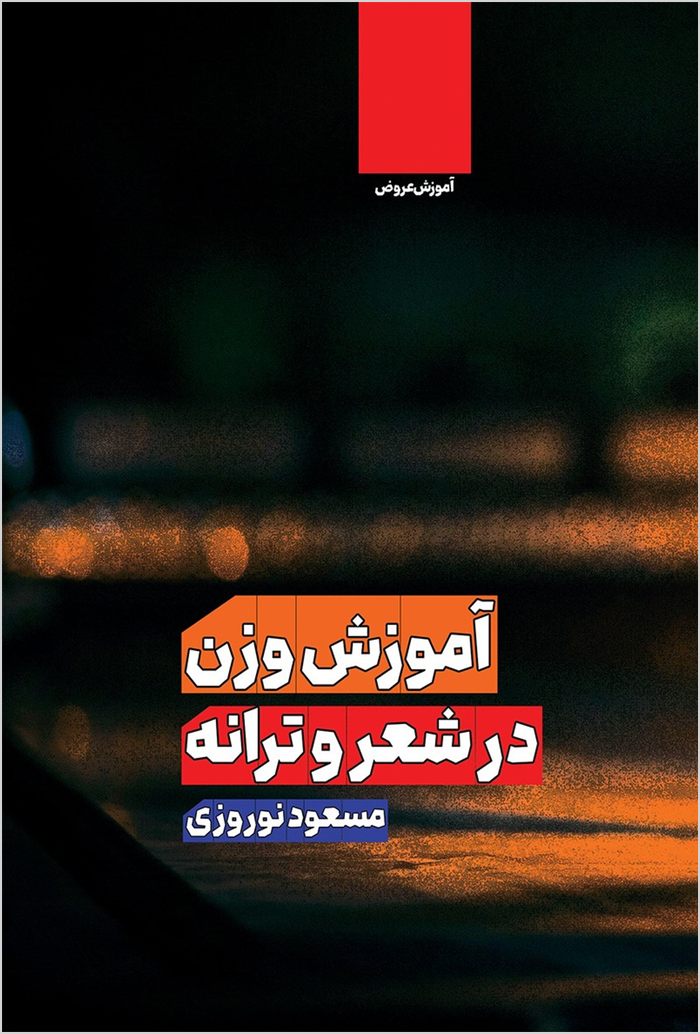
Āmūzish-i vazn dar shiʻr va tarānah
آموزش وزن در شعر و ترانه
Price range: £9.50 through £24.00
A practical guide to the craft of metre, written for poets, songwriters and curious readers who wish to understand the music that underlies Persian verse. Beginning with a brisk survey of the development of Persian poetry from the Sāmānid revival through the schools of Khurāsān, ʻIrāq and India to the innovations of the modern age, it then turns to the technical heart of the subject. Successive chapters introduce scansion, the syllable, prosodic spelling, consonants and vowels, the metrical foot, and the licences a poet may employ, together with the conventions of padding and the table of feet. Throughout, the author favours plain explanation and worked examples over dense theory, building the reader gradually towards the more intricate questions of quantitative metre. A generous set of exercises allows the principles to be tested in practice, making the volume equally suited to private study and to use as a classroom companion for those approaching Persian versification.
راهنمایی کاربردی و آموزشی برای فراگیری وزن، نگاشتهشده برای شاعران، ترانهسرایان و همه کسانی که میخواهند با موسیقی نهفته در شعر و ترانه فارسی آشنا شوند. نویسنده نخست با مروری کوتاه بر سیر شعر فارسی در گذر زمان، از روزگار سامانیان و رواج دوباره زبان فارسی گرفته تا مکتبهای خراسانی، عراقی و هندی و بازگشت و سرانجام نوآوریهای نیما و شعر نو و شعر سپید، زمینه را برای ورود به بحث اصلی فراهم میکند. آنگاه به قلب فنی موضوع میپردازد و در فصلهایی پیاپی، تقطیع، هجا، املای عروضی، صامت و مصوت، رکن و اختیارات شاعری را همراه با اشباع و جدول ارکان به زبانی ساده و روشن توضیح میدهد. در سراسر کتاب، نویسنده بهجای نظریهپردازی خشک، بر توضیح روشن و نمونههای عملی تکیه کرده و خواننده را گامبهگام به سوی مباحث دقیقتر و کمی پیچیدهتر وزن کمی راهنمایی میکند. مجموعهای از تمرینها نیز در پایان فراهم آمده تا آموختهها در عمل سنجیده شوند و اثر را هم برای مطالعه فردی و هم برای کلاس درس عروض فارسی سودمند سازد.
Related products