Downloadable Book
 Downloadable Book
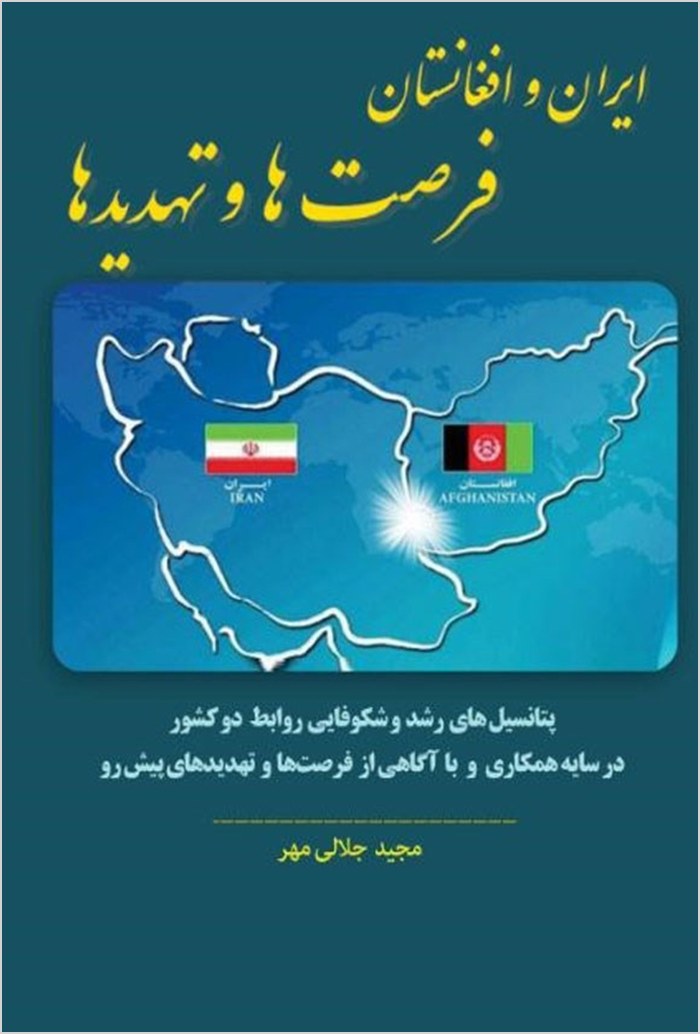
Īrān va Afghānistān: furṣatʹhā va tahdīdʹhā : pitānsīlʹhā-yi rushd va shukūfāʼī-i ravābiṭ-i dū kishvar dar sāyah-i hamkārī va bā āgāhī az furṣatʹhā va tahdīdʹhā-yi pīshʹrū
ایران و افغانستان: فرصتها و تهدیدها: پتانسیلهای رشد و شکوفایی روابط دو کشور در سایه همکاری و با آگاهی از فرصتها و تهدیدهای پیشرو
Price range: £13.18 through £36.00
This study examines the economic, political, and security dimensions of the relationship between Īrān and Afghānistān, two neighbouring countries bound by geography, language, and shared history yet divided by recent political upheaval and competing regional interests. Surveying Afghānistān's economic environment, trade patterns, and industrial development alongside the historical arc of bilateral ties from the Qājār era through the Islamic Republic, the author identifies opportunities for cooperation in trade, energy, and infrastructure, while assessing threats including border insecurity, narcotics trafficking, irregular migration, competing cultural influence from regional powers, and the destabilising presence of extremist groups. The analysis attends closely to national and regional-level challenges, from identity politics to the strategic interests of neighbouring and global powers, offering a comprehensive assessment of the risks shaping Irano-Afghan relations.
این پژوهش به بررسی ابعاد اقتصادی، سیاسی و امنیتی روابط میان ایران و افغانستان میپردازد؛ دو کشور همسایه که جغرافیا، زبان و سدهها تاریخ مشترک آنها را به هم پیوند میدهد، اما تحولات سیاسی اخیر و رقابت منافع منطقهای میانشان فاصله انداخته است. نویسنده با مروری بر محیط اقتصادی، الگوهای تجاری و توسعهی صنعتی افغانستان، و نیز سیر تاریخی روابط دوجانبه از عصر قاجار تا جمهوری اسلامی، فرصتهای عینی همکاری در تجارت، انرژی و زیرساخت را برمیشمارد و در همان حال، تهدیدهایی چون ناامنی مرزی، قاچاق مواد مخدر، مهاجرت غیرقانونی، رقابت نفوذ فرهنگی قدرتهای منطقهای و حضور بیثباتکنندهی گروههای افراطی را صادقانه ارزیابی میکند. این تحلیل توجه ویژهای به چالشهای سطح ملی و منطقهای، از سیاست هویت گرفته تا منافع راهبردی قدرتهای همسایه و جهانی در آیندهی افغانستان، دارد و ارزیابی جامعی از فرصتها و خطرهای پیش روی روابط دوجانبه ارائه میدهد که برای پژوهشگران، سیاستگذاران و علاقهمندان به مطالعات منطقهای سودمند خواهد بود.
Related products