Downloadable Book
 Downloadable Book
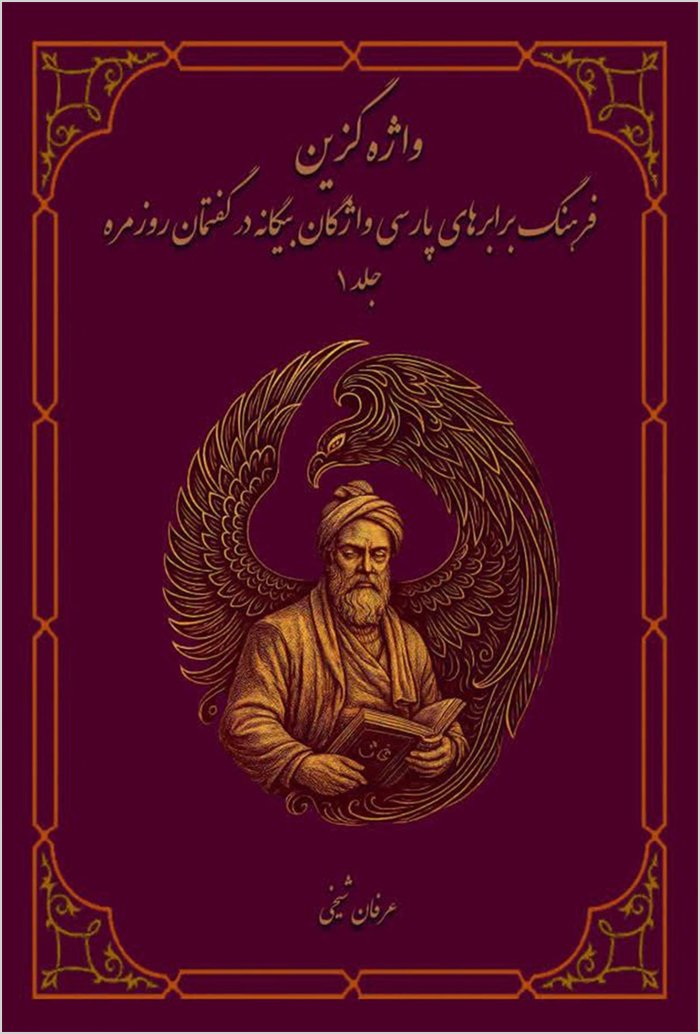
Vāzhahʹguzīn: Farhang-i barābarʹhā-yi Pārsī-i vāzhagān-i bīgānah dar guftmān-i rūzmarrah
واژهگزین: فرهنگ برابرهای پارسی واژگان بیگانه در گفتمان روزمره
Price range: £9.78 through £28.00
The steady drift of foreign vocabulary—above all English—into everyday Persian speech, technical writing, and the language of the media has, in recent decades, become a pressing concern for those who value their mother tongue. This first volume of a projected series answers that concern in practical form, gathering the loanwords most commonly heard in ordinary conversation and setting beside each one a carefully chosen Persian equivalent, often with several alternatives drawn from established lexicographical authorities and the Academy of Persian Language. Entries are arranged alphabetically in clear columns pairing the foreign term, its Persian spelling, and the proposed native substitute, making the work easy to consult at the moment of need. Framed by a preface on the resilience of Persian from Achaemenid inscriptions to the present, the compilation serves students, researchers, writers, and general readers who wish to speak and write a purer, more self-reliant Persian.
سرازیرشدن پیوستهی واژگان بیگانه، بهویژه واژههای انگلیسی، به گفتار روزمره، نوشتار فنی و زبان رسانهها در دهههای اخیر به دغدغهای جدی برای دوستداران زبان مادری بدل شده است. این دفتر، نخستین جلد از مجموعهای در دست تدوین، پاسخی کاربردی و عملی به این دغدغه است و واژههای بیگانهی پرکاربرد در گفتوگوی روزمره را گرد آورده و برای هر یک برابری پارسی سنجیده پیش مینهد؛ گاه با چند گزینه که از فرهنگهای معتبر و مصوبات فرهنگستان زبان و ادب پارسی برگرفته شدهاند. درآیندها به ترتیب الفبا و در ستونهایی روشن چیده شدهاند که واژهی بیگانه، نگارش پارسی و برابر پیشنهادی را کنار هم مینهند تا کار جستن و گزینش در هنگام نیاز آسان شود. کتاب با پیشگفتاری پرشور دربارهی پایداری و توان زبان پارسی از سنگنبشتههای هخامنشی و دوران ساسانی تا روزگار نو آغاز میشود و نشان میدهد این زبان همواره توانسته نیازهای تازه را برآورد بیآنکه از ریشههای خویش جدا شود. اثر برای دانشجویان، پژوهندگان، نویسندگان و همهی کسانی که خواهان گفتار و نوشتاری پاکیزهتر و خوداتکاترند سودمند خواهد بود.
Related products