Downloadable Book
 Downloadable Book
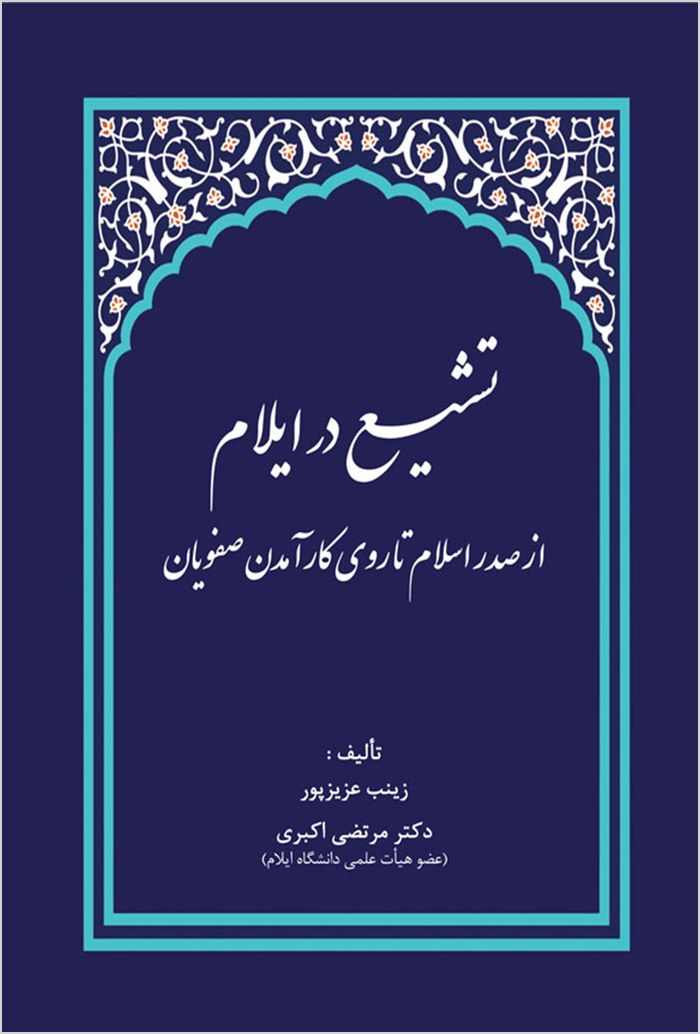
Tashayyuʻ dar Īlām az ṣadr-i Islām tā rūy-i kār āmadan-i Ṣafaviyān
تشیع در ایلام از صدر اسلام تا روی کارآمدن صفویان
Price range: £9.78 through £28.00
This study traces the spread of Shīʻism across the historic region of Īlām in western Īrān, from the earliest decades of Islam through to the rise of the Ṣafavid dynasty. Drawing on the ancient civilisation of Elam and the historical geography of the province, the authors examine the two late-Sāsānian districts of Māsabaẕān and Mihrajānqaẕaq, charting their conquest by the Muslim armies and the gradual religious transformation that followed. The work follows the evolution of belief among the people of Īlām across successive eras: the Rāshidūn and Umayyad caliphates, the ʻAbbāsid period, and the rule of local dynasties. Particular attention is given to the role of governors and regional rulers in promoting Shīʻism, and to the influence of the imāmzādahs and learned ʻulamāʼ whose presence shaped the confessional identity of the Īlāmī population, culminating in the predominantly Shīʻa character of the region today.
استان ایلام در غرب کشور ایران از پیشینهای کهن برخوردار است و منابع تاریخی آن را بخشی از تمدن ایلام باستان میدانند. این کتاب با مروری بر جغرافیای تاریخی منطقه و دو ایالت ماسبذان و مهرجانقذق در اواخر دوره ساسانیان، نخست به دین و عقاید مردم ایلام باستان در عهد هخامنشیان، سلوکیان، اشکانیان و ساسانیان میپردازد و سپس چگونگی ورود اسلام و فتح این سرزمین به دست مسلمانان را، بر پایه روایات مورخان اسلامی، بررسی میکند. آنگاه سیر گسترش تشیع در ایلام از صدر اسلام تا روی کار آمدن صفویان دنبال میشود؛ نویسندگان تحولات اعتقادی پس از فتح را در دوره خلفای راشدین، بنیامیه، بنیعباس و حاکمان محلی پی میگیرند و نقش حاکمان و سیاستهای ایشان را در ترویج و تثبیت تشیع در منطقه نشان میدهند. همچنین حضور امامزادگان همچون امامزاده علی صالح و امامزاده محمد عابد و نیز علمای برجستهای چون حسن بن مفلح و تأثیر آنان بر هویت مذهبی ایلامیان بررسی شده است؛ سیری که سرانجام به شیعهنشین شدن این خطه در روزگار کنونی انجامیده است.
Related products