Downloadable Book
 Downloadable Book
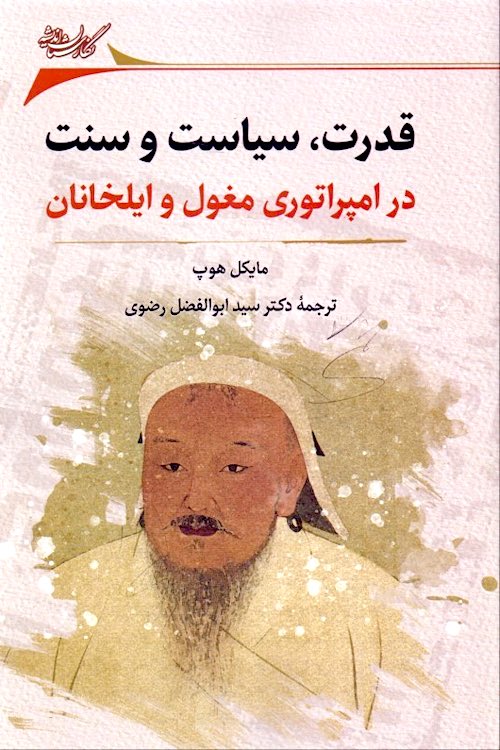
Qudrat, siyāsat va sunnat dar impirātūrī-i Mughūl va Īlkhānān
Power, Politics, and Tradition in the Mongol Empire and the Īlkhānate of Iran
قدرت، سیاست و سنت در امپراتوری مغول و ایلخانان
Price range: £10.20 through £29.75
Michael Hope, in this book, attempts to provide a new interpretation of how power was understood and exercised during the era of Genghis Khan's successors, particularly the Ilkhans. Drawing on Hamid Dabashi's interpretation of Weber's theory in explaining political developments after the passing of the Prophet Muhammad (PBUH), he tries to show the issue of succession after Genghis Khan as a form of ideological divergence. In this process, he uses Max Weber's theory of the "routinisation of charisma."
In Hope's interpretation, the interests of two prominent groups in power, known as the "Khalijialist" and "Patrimonialist" factions, are seen claiming to preserve and protect Genghis Khan's traditions and heritage. The patrimonial faction, emphasising the hereditary rights of Genghis Khan's descendants, considers everything to belong to them as their legitimate right. This interpretation gradually merged with the idea of absolute monarchy, which was presented by Iranian bureaucratic elites to the Mongol rulers, and combined the Mongol paternalistic approach with the serious support of Iranian statesmen who saw their interests and those of society in the concentration of power in the hands of the Ilkhans.
In contrast, the Khalijialists believed that Genghis Khan not only conquered the empire but also created a set of rules and policies that regulated new political behaviours and relationships, which were considered the backbone of Mongol power continuity. In their view, their expertise and familiarity with these laws and traditions, gained through proximity and service to the charismatic leader, entitled them to wealth and power, and the descendants of Genghis Khan inevitably had to respect their status and position.
The rise and fall of the power curve and its competition in Michael Hope's narrative actually represent two ancient interpretations of the nature of power, which can be traced in different eras and structures.
مایکل هوپ در این کتاب تلاش کرده تا تفسیر جدیدی از چگونگی فهم و اعمال قدرت در عصر جانشینان چنگیز و به ویژه ایلخانان ارائه کند؛ او با اقتباس از تفسیر حمید دباشی از نظریه وبر در تبیین تحولات سیاسی پس از رحلت حضرت رسول (ص)، سعی کرده تا مسألهی جانشینی پس از چنگیز را در قالب نوعی واگرایی ایدئولوژیک نشان دهد او در این مسیر از نظریه «ماکس وبر» درباره «روالمند شدن کاریزما» استفاده کرده است. در تفسیر هوپ، منافع دو گروه برجسته در قدرت موسوم به «کالیجیالیستها» و «پاتریمونیالیستها» با ادعای حفظ و حراست از سنن و میراث چنگیزی به چشم میخورد: جناح پاتریمونیال، با اهتمام به حق موروثی فرزاندان چنگیز، همه چیز را متلعق به خود و حق مشروع تلقی می کند. این تفسیر، به تدریج با اندیشه پادشاهی مطلقه که از سوی نخبگان دیوانی ایرانی به حاکمان مغولی ارائه میشد ترکیب گردید و رویکرد پدرشاهانه مغولی را با حمایت جدی دولتمردان ایرانی که منافع خود و جامعه را در تمرکز قدرت در دست ایلخانان میدیدند، همراه ساخت. در مقابل، کلیجیالیستها معتقد بودند که چنگیزخان، تنها امپراتوری را فتح نکرده، بلکه مجموعه قواعد و سیاستهای تنظیم رفتار و مناسبات سیاسی جدیدی را پدید آورده بود که پشتوانه استمرار قدرت مغول به شمار میرفت. در نگاه آنها، خبرگی و اشراف ایشان بر این مجموعه قوانین و سنن که به واسطه نزدیکی و سوابق خدمت به رهبر کاریزما حاصل شده بود، آنها را مستحق ثروت و قدرت میکرد و سلاله چنگیز به ناگزیر باید حرمت و موقعیت آنها را لحاظ میکردند. فراز و فرود منحنی قدرت و رقابتهای آن در روایت مایکل هوپ، در واقع بازنمایی دو تفسیر کهن از مناسبت قدرت است که در اعصار مختلف و ساختارهای گوناگون مصادیق آن را میتوان جستجو کرد.
Related products
Book