
Downloadable Book
 Downloadable Book
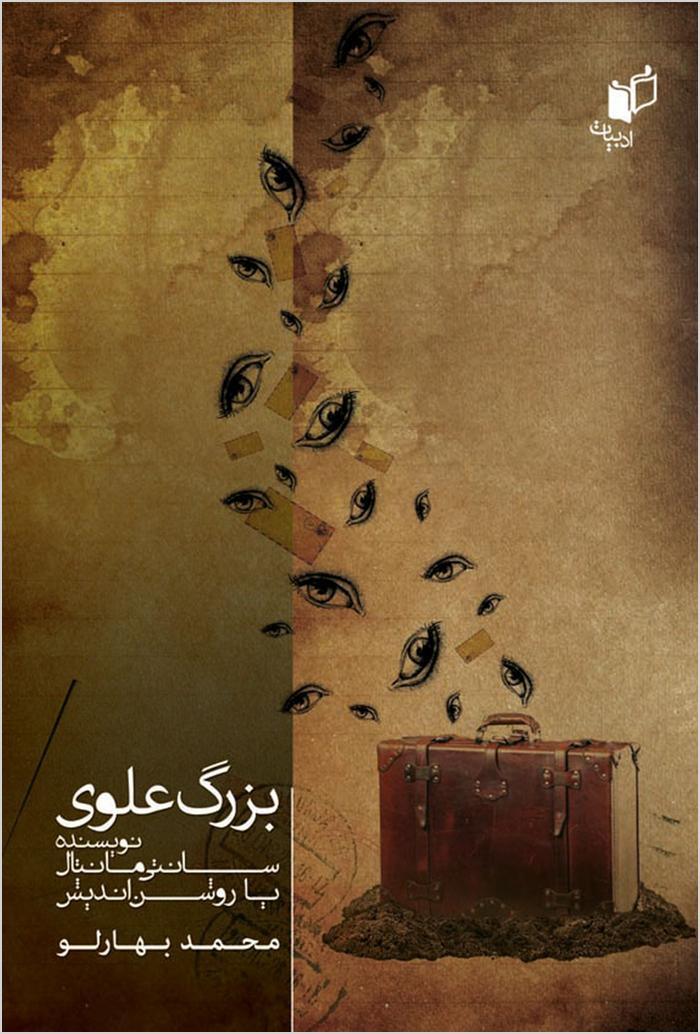
Buzurg ʻAlavī: nivīsandah-i “sāntīmāntāl” yā rawshanʹandīsh
بزرگ علوی: نویسنده «سانتیمانتال» یا روشناندیش
Price range: £8.50 through £25.00
Muḥammad Bahārlū turns a searching critical eye on Bozorg ʻAlavī (1904-1997), one of the founding figures of modern Persian fiction and a member, with Jamālzādah, Hidāyat, and Chūbak, of the first generation to remake the Iranian short story and novel. The guiding question gives the book its subtitle: was ʻAlavī a sentimental writer, or a clear-sighted and enlightened mind? Drawing on the author's own interviews and correspondence with ʻAlavī in his Berlin years, on the writer's memoirs, and on a close reading of the fiction, Bahārlū traces a literary life shaped by the Constitutional movement, exile, political imprisonment, and decades abroad. He sets ʻAlavī's formation against his early immersion in Tolstoy, Chekhov, Dostoevsky, and the European masters, and follows the emergence of a distinctive prose style. Rounding out the volume are a detailed chronology of ʻAlavī's life and a curated bibliography of writings about him, making this a compact but authoritative point of entry.
محمد بهارلو در این کتاب با نگاهی نقّادانه و موشکافانه به سراغ بزرگ علوی (۱۲۸۳–۱۳۷۵) میرود؛ یکی از بنیانگذاران داستاننویسی نوین فارسی که در کنار جمالزاده، هدایت و چوبک، نسل نخست نویسندگان امروز ایران را شکل دادند. پرسش اصلی کتاب همان است که در عنوان فرعی آن آمده است: آیا علوی نویسندهای «سانتیمانتال» بود یا ذهنی روشناندیش و آگاه؟ نویسنده با تکیه بر گفتوگوها و مکاتبات دیرینهٔ خود با علوی در سالهای اقامت او در برلین، بر خاطرات نویسنده و بر خوانشی دقیق از آثار داستانی او، زندگی ادبیای را پی میگیرد که جنبش مشروطه، تبعید، زندان سیاسی و سالها دوری از وطن آن را رقم زده است. او شکلگیری ذوق و قلم علوی را در پیوند با شیفتگی نخستین وی به تولستوی، چخوف، داستایفسکی و استادان بزرگ اروپایی میکاود و سیر پیدایش نثر ویژه و شخصی او را با دقت دنبال میکند. سالشمار تفصیلی زندگی و نیز گزیدهای از مقالهشناسی علوی هم این دفتر فشرده اما معتبر و خواندنی را کامل میکند و راهی کوتاه به شناخت او میگشاید.
Related products
Book
Book
Book
Book