
Downloadable Book
 Downloadable Book
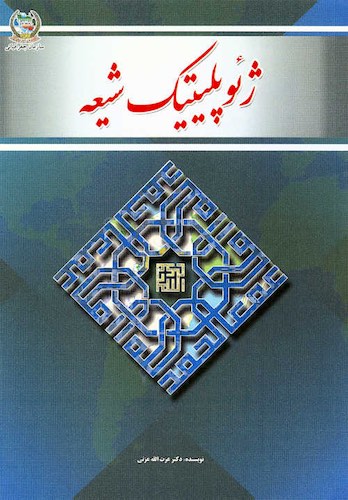
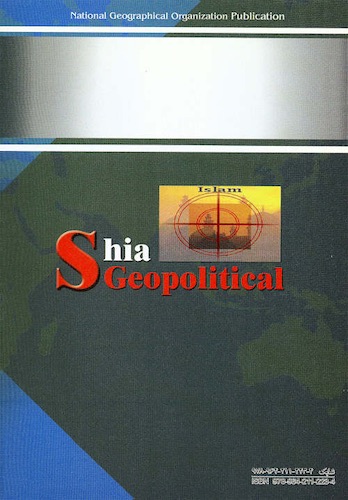
Zhiʼūpulītīk-i Shīʻah: Īrān va hilāl-i Shīʻī
ژئوپلیتیک شیعه: ایران و هلال شیعی
Price range: £10.20 through £29.00
Written by ʻIzzat Allāh ʻIzzatī, now in its second edition, this study traces the geopolitical evolution of the Islamic world with attention to Shīʻī Islam and its regional standing. Organised in six chapters, the work opens with the geopolitical features of the Islamic world before turning to the geopolitics of Shīʻism along Īrān's peripheries and the concept of the "Shīʻah Crescent," a term the author traces to its origins and situates within contemporary regional rivalries. Subsequent chapters examine the historical spread of Shīʻism into Īrān through seven stages, from its early presence among Iranian clients in Iraq to the rise of the Ṣafavid state, before addressing border geopolitics along the Islamic Republic's frontiers, with sustained analysis of the Afghan border. The book closes with an account of Lebanese Shīʻism, covering the Ismāʻīlī and ʻAlawī communities and the structure and regional alliances of Ḥizbullāh.
این کتاب به قلم عزتالله عزتی، که اکنون به چاپ دوم رسیده، سیر تحول ژئوپلیتیک جهان اسلام را با تمرکز بر جایگاه منطقهای تشیع بررسی میکند. کتاب در شش فصل سامان یافته و با ویژگیهای ژئوپلیتیک جهان اسلام آغاز میشود، سپس به تحلیل ژئوپلیتیک شیعه در پیرامون مرزهای جغرافیایی ایران و مفهوم «هلال شیعی» میپردازد؛ مفهومی که نویسنده خاستگاه آن را پی میگیرد و در بستر رقابتهای منطقهای معاصر قرار میدهد. فصلهای بعدی، گسترش تاریخی تشیع در ایران را طی هفت مرحله، از حضور آن میان موالی ایرانی در عراق تا برآمدن دولت صفوی، دنبال میکنند، پیش از پرداختن به ژئوپلیتیک مرزی جمهوری اسلامی و بررسی مفصل مرز افغانستان از ابعاد فرهنگی، اقتصادی و امنیتی آن. کتاب با شرحی گسترده از تشیع لبنان به پایان میرسد که تاریخ آن، جوامع اسماعیلی و علوی، و ساختار، فعالیتها و پیوندهای منطقهای حزبالله را در بر میگیرد و چارچوبی جامع برای شناخت ژئوپلیتیک تشیع از تهران تا بیروت در اختیار پژوهشگران و علاقهمندان به مسائل خاورمیانه قرار میدهد.
Related products