Downloadable Book
 Downloadable Book
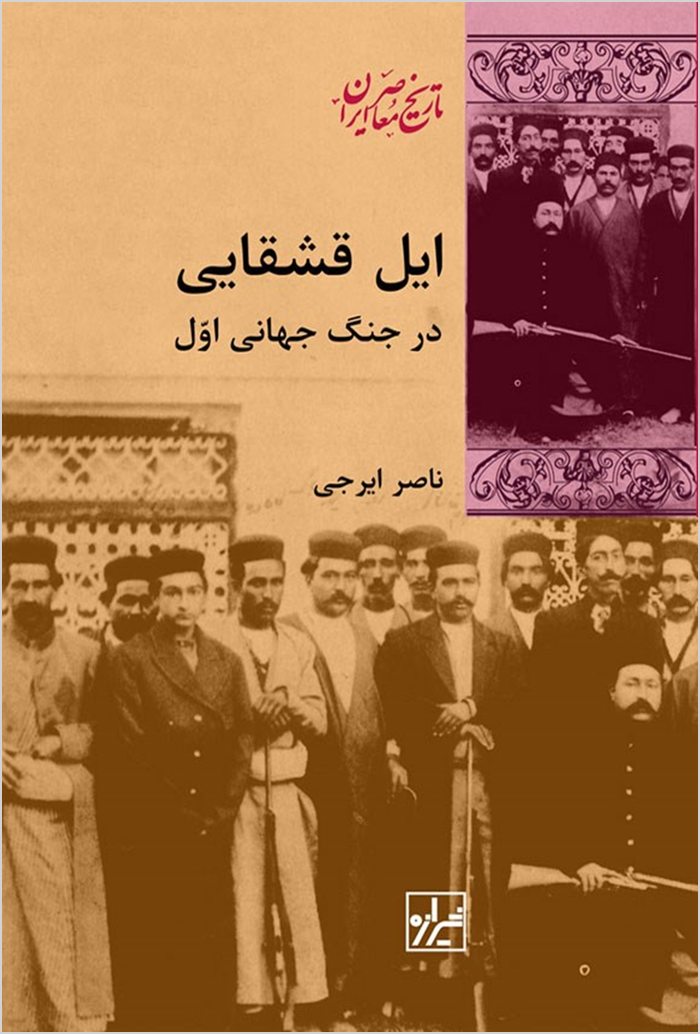
Īl-i Qashqāʼī dar Jang-i Jahānī-i Avval
ایل قشقایی در جنگ جهانی اول
Price range: £11.05 through £31.00
This study reconstructs the role of the Qashqāʼī confederation of Fārs during the First World War, when the southern provinces of Īrān became an arena of contest between British forces and the Central Powers. Nāṣir Īrajī traces the historical background of the tribe and the restoration of its power under Ṣawlat al-Dawlah, then follows the shifting Qashqāʼī posture through three phases: cautious neutrality, tacit alignment with the opponents of Britain, and finally open armed resistance as Russian withdrawal and anti-British feeling reshaped the region. Central chapters examine the rise of British authority in Fārs, the South Persia Rifles, the resistance at Kāzirūn, the battle of Āq Chashmah, the siege of Shīrāz, and the revolt at Ābādah, before turning to the internal divisions that fractured tribal unity and the eventual armistice. Drawing on Persian and British sources, the work offers the first sustained account of this campaign and its place in the wider history of wartime Īrān.
این پژوهش نقش ایل قشقایی فارس را در جنگ جهانی اول بازسازی میکند؛ روزگاری که استانهای جنوبی ایران به عرصهٔ رویارویی نیروهای بریتانیا و قدرتهای متحد بدل شد. ناصر ایرجی نخست پیشینهٔ تاریخی ایل و اعادهٔ قدرت آن را در دوران اسماعیل خان صولتالدوله شرح میدهد، سپس موضع متغیر قشقایی را در سه مرحلهٔ متمایز دنبال میکند: بیطرفی محتاطانه در آغاز، همراهی ضمنی با مخالفان بریتانیا، و سرانجام مقاومت مسلحانهٔ آشکار آنگاه که فروپاشی روسیهٔ تزاری و اوجگیری احساسات ضدانگلیسی منطقه را دگرگون ساخت. فصلهای میانی به برآمدن اقتدار بریتانیا در فارس، تشکیل پلیس جنوب، مقاومت کازرون، نبرد آقچشمه، محاصرهٔ شیراز و شورش آباده میپردازد و آنگاه عناصر تفرقهای را که انسجام ایلی را شکست و سرانجام مذاکرات و ترک مخاصمه را بررسی میکند. نویسنده با تکیه بر منابع فارسی و انگلیسی و توجه به مواضع دولت مرکزی، نخستین بررسی مستقل و پیوستهٔ این رویارویی نظامی و جایگاه آن را در تاریخ ایرانِ دوران جنگ به دست میدهد.
Related products