Downloadable Book
 Downloadable Book
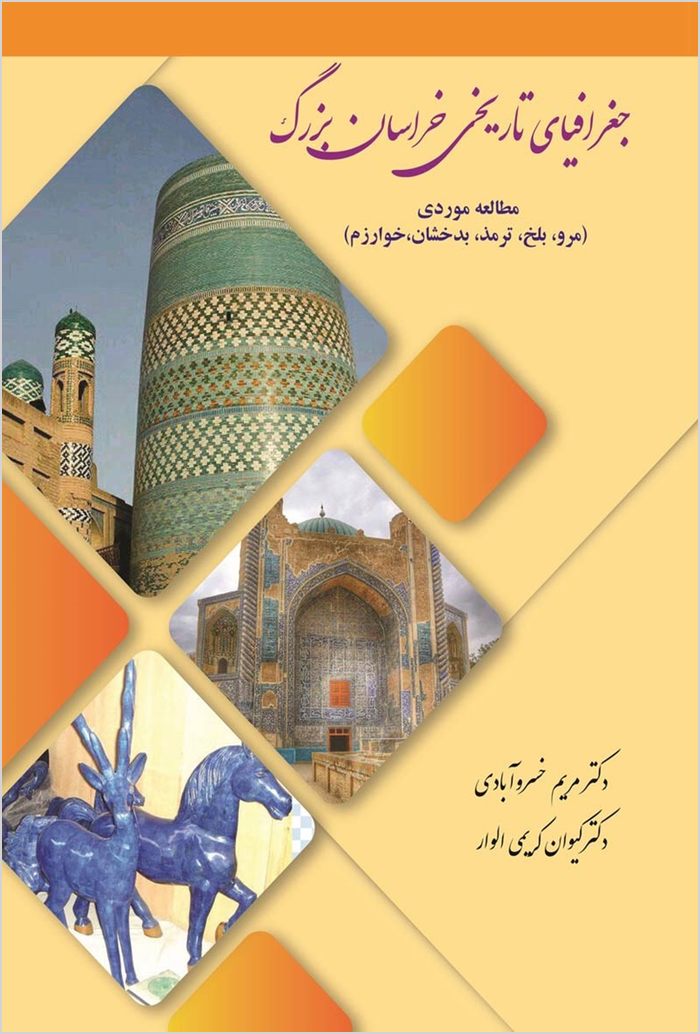
Jughrāfiyā-yi tārīkhī-i Khurāsān-i buzurg: muṭālaʻah-yi mawridī (Marv, Balkh, Tirmiẕ, Badakhshān va Khvārazm)
جغرافیای تاریخی خراسان بزرگ: مطالعه موردی (مرو، بلخ، ترمذ، بدخشان و خوارزم)
Price range: £13.18 through £36.00
Greater Khorasan—embracing Transoxiana and much of Central Asia—preserves deep cultural ties to Iran though its cities now lie beyond Iran's borders. This case study by Maryam Khusrawʹābādī and Kayvān Karīmī Alvār traces the historical geography of five centres: Marv, Balkh, Tirmiẕ, Badakhshān, and Khvārazm, examining how their shared position on Iran's north-eastern frontier shaped a common historical path. The authors follow waves of Aryan migration, encounters between ancient Iranians and steppe peoples to the east, the Arab conquest and coming of Islam, the rise of Iranian dynasties such as the Tahirids and Samanids, and later incursions of Turkic tribes and the Mongols. Framing these as a form of geographical determinism, the study considers why Zoroastrianism and, later, Islam never took root as firmly here as elsewhere, fostering instead a lasting religious, ethnic, and cultural pluralism shaped by the struggles of the Kushans, Hephthalites, and Turks.
خراسان بزرگ که فرارود و بخش عمدهای از آسیای مرکزی را دربر میگیرد، با آنکه امروز از قلمرو سیاسی ایران بیرون است، همچنان پیوندی ژرف با فرهنگ ایرانی دارد. این پژوهش که به قلم مریم خسروآبادی و کیوان کریمیالوار نگاشته شده، جغرافیای تاریخی پنج کانون مهم این ناحیه یعنی مرو، بلخ، ترمذ، بدخشان و خوارزم را بررسی میکند و نشان میدهد که موقعیت مشترک این شهرها بر مرز شمالشرقی ایران، سرنوشتی نسبتاً مشابه برای آنان رقم زده است. نویسندگان مهاجرتهای تاریخی آریاییها، رویارویی ایرانیان باستان با اقوام صحراگرد شرق، هجوم عرب و ورود اسلام، شکلگیری سلسلههای ایرانی چون طاهریان و سامانیان و سرانجام هجوم اقوام ترک و مغول را دنبال میکنند. با نگاهی به این فرایندها در چارچوب جبر جغرافیایی، این کتاب میکوشد نشان دهد چرا دین زردشتی و سپس اسلام در بخشهایی از آسیای مرکزی به همان استواری که در جاهای دیگر یافت، ریشه ندواند و در عوض نوعی پلورالیسم دیرپای مذهبی، قومی و فرهنگی را در پی کشمکشهای پیاپی کوشانیان، هیاطله و ترکان پدید آورد.
Related products