Downloadable Book
 Downloadable Book
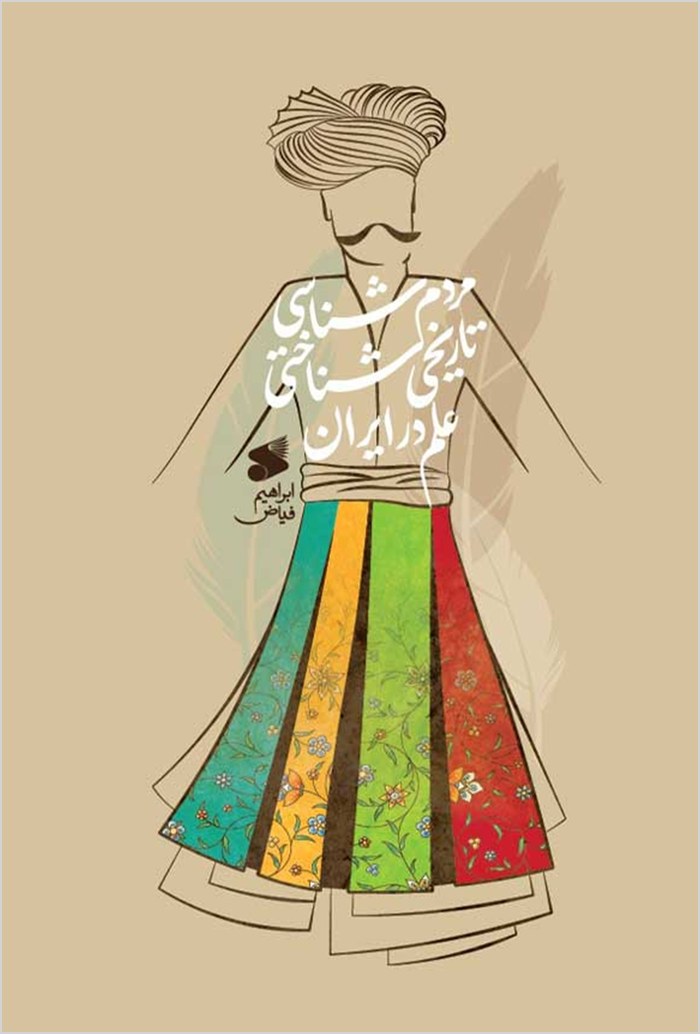
Mardumʹshināsī-yi Tārīkhī-Shinākhī-yi ʻIlm dar Īrān
مردمشناسی تاریخیشناختی علم در ایران
Price range: £12.75 through £37.50
This work by Ibrāhīm Fayāz̤ applies a structural epistemological framework to examine the sociology of science in Īrān. Drawing on the holistic method of social inquiry, the study analyses the cultural-intellectual structures of the Ṣafavid era to explain why empirical sciences failed to flourish in Īrān. The inquiry is organised around epistemic coherence — the principle that a civilisation endures when its knowledge domains (art, literature, philosophy, popular culture, religion) mutually sustain one another. In the Ṣafavid period, these domains became progressively disconnected: Mullā Ṣadrā's abstract metaphysics, the Akhbārī movement in jurisprudence, and popular culture each pursued separate paths, precipitating decline. The second part identifies epistemic and structural causes for the failure of empirical sciences to take root, and the third examines why imported Western sciences were never indigenised, proposing conditions under which that process might succeed.
کتاب «مردمشناسی تاریخیشناختی علم در ایران» اثر دکتر ابراهیم فیّاض، دانشیار مردمشناسی دانشگاه تهران، پژوهشی ساختاریمعرفتی درباره جامعهشناسی علم در ایران است که در سه فصل اصلی سازمان یافته است. فصل اول به بررسی ساختار فرهنگیمعرفتی عهد صفویه میپردازد و ضمن تحلیل ادبیات، هنر، فلسفه، فرهنگ عامه و دین این دوره، مفهوم «انسجام معرفتی» را بهعنوان معیار سنجش اوج و سقوط تمدنها معرفی میکند. نویسنده استدلال میکند که جدا شدن تدریجی حوزههای معرفتی از یکدیگر — فلسفه صدرایی از یک سو و فرهنگ عامه و مکتب اخباری از سوی دیگر — به رکود فکری و در نهایت فروپاشی تمدن صفوی انجامید. فصل دوم به بررسی علل نازایی علوم تجربی در ایران میپردازد و با ارائه چارچوب نظری چهارگانه، دلایل معرفتی و ساختاری این ناکامی را میکاود. فصل سوم به چرایی بومینشدن علوم وارداتی از غرب اختصاص دارد و شرایط لازم برای این امر را برمیشمارد. این اثر با بهرهگیری از رویکرد تمامنگری و آرای جامعهشناسی معرفت، چارچوبی نظری برای مطالعات تاریخیمردمشناختی ارائه میدهد.
Related products