Downloadable Book
 Downloadable Book
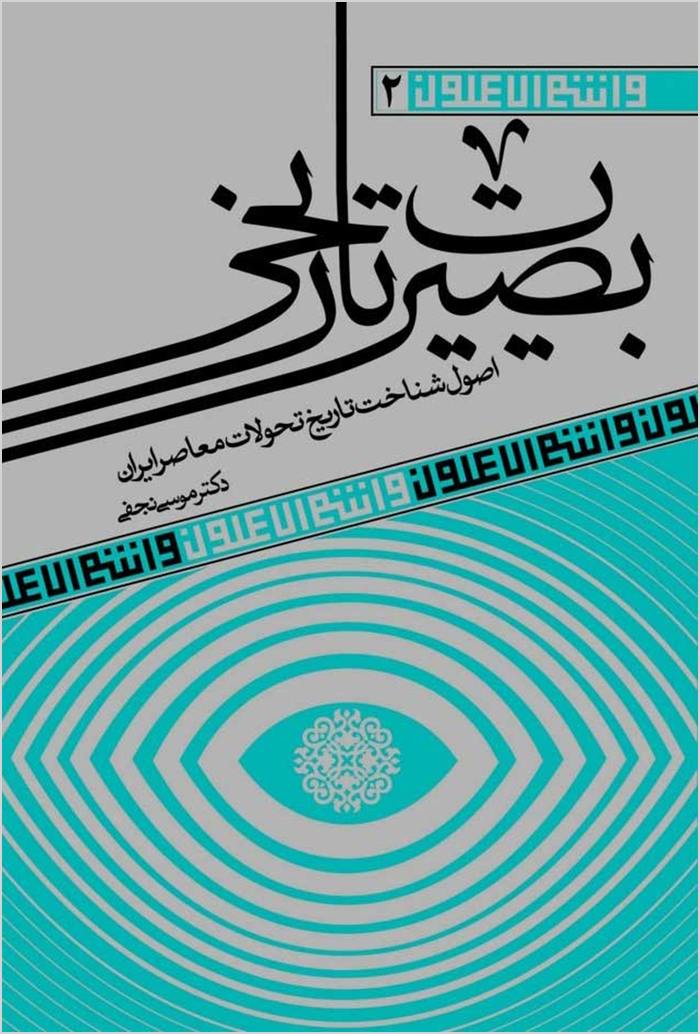
Baṣīrat-i tārīkhī: uṣūl-i shinākht-i tārīkh-i taḥavvulāt-i muʻāṣir-i Īrān
بصیرت تاریخی: اصول شناخت تاریخ تحولات معاصر ایران
Price range: £11.48 through £32.00
Baṣīrat-i tārīkhī: uṣūl-i shinākht-i tārīkh-i taḥavvulāt-i muʻāṣir-i Īrān, by Mūsá Najafī, is a methodological study of how contemporary Iranian history may be read, interpreted and evaluated. The author discusses historical consciousness, historiography, competing narratives, political thought and the principles needed to distinguish events from later ideological constructions. The chapters consider major currents in modern Iranian history, the relationship between intellectual history and political change, the role of concepts and sources in historical judgement, and the problems created by selective or anachronistic readings of the past. Rather than presenting a simple chronological survey, the book emphasises methods of interpretation and the formation of historical understanding. It is intended for readers interested in Iranian historiography, modern history, political ideas and debates over the interpretation of major transformations in nineteenth- and twentieth-century Iran.
«بصیرت تاریخی: اصول شناخت تاریخ تحولات معاصر ایران» نوشتهٔ موسی نجفی اثری روششناختی دربارهٔ شیوهٔ فهم، تفسیر و ارزیابی تاریخ معاصر ایران است. نویسنده به مفهوم آگاهی تاریخی، تاریخنگاری، روایتهای رقیب، اندیشهٔ سیاسی و معیارهایی میپردازد که برای تفکیک رخداد تاریخی از برداشتها و داوریهای بعدی لازماند. فصلهای کتاب جریانهای مهم تاریخ معاصر، نسبت میان تحولات فکری و سیاسی، نقش مفاهیم و منابع در داوری تاریخی و آسیبهای ناشی از خوانش گزینشی یا زمانپریشانهٔ گذشته را بررسی میکنند. هدف کتاب ارائهٔ یک تاریخ رویدادمحور صرف نیست، بلکه تأکید آن بر چگونگی شکلگیری فهم تاریخی و اصول تحلیل تحولات است. اثر برای دانشجویان و پژوهشگران تاریخ ایران، تاریخنگاری، اندیشهٔ سیاسی و مباحث مربوط به تفسیر دگرگونیهای سدههای اخیر سودمند است و خواننده را با پرسشهای نظریِ بنیادین در مطالعهٔ تاریخ معاصر روبهرو میسازد. کتاب همچنین به جریانشناسی تاریخ معاصر، اندیشهٔ اصلاحات و نقد برخی رویکردهای ناصواب در تاریخنگاری توجه دارد.
Related products