Downloadable Book
 Downloadable Book
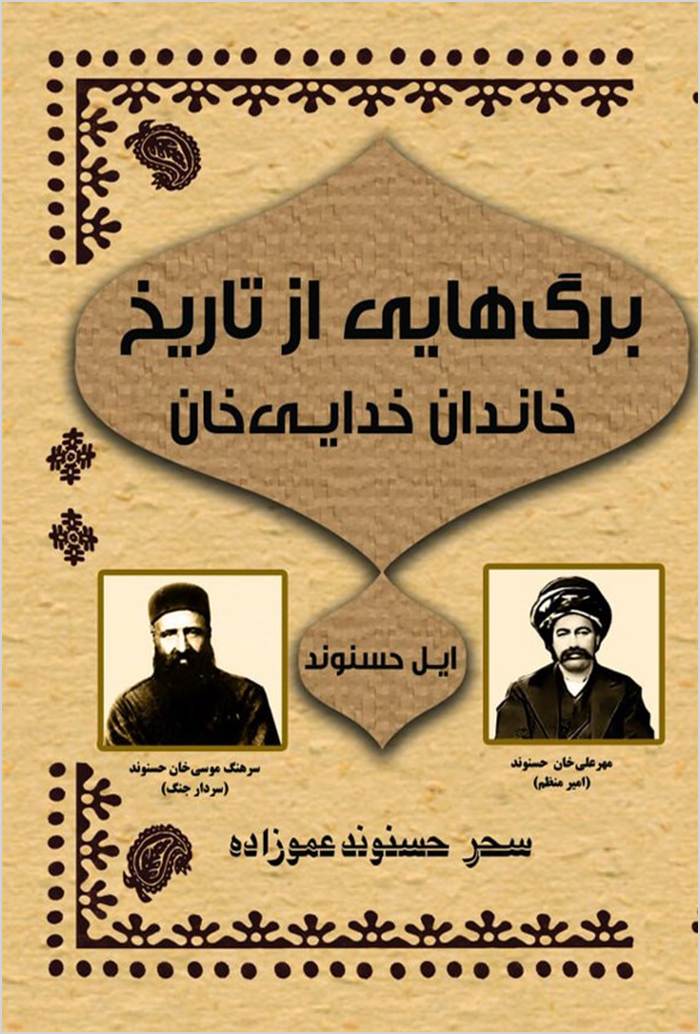
Bargʹhāʼī az tārīkh-i khāndān-i Khudāyī Khān-i Īl-i Ḥasanvand
برگهایی از تاریخ خاندان خداییخان ایل حسنوند
Price range: £11.90 through £33.00
Bargʹhāʼī az tārīkh-i khāndān-i Khudāyī Khān-i Īl-i Ḥasanvand combines family history, tribal genealogy and regional history to document the Ḥasanvand of Luristan and the descendants of Khudāyī Khān. Saḥar Ḥasanvand ʻAmūzādah traces lines of succession, branches of the confederation, settlement and the careers of prominent leaders, including relatives who moved beyond Luristan. The narrative places family memories within political change, examining relations with central governments, local rulers and neighbouring tribes from the Qajar period onwards. Chapters also describe Lak customs, oral traditions, ceremonies, language, livelihoods, crafts and social organisation. Genealogical tables, recollections, documentary references and historical photographs join transmitted memory with research. The volume attends to disputed lineages and overlooked descendants while situating their experiences within the history of Luristan, tribal authority, migration, conflict and adaptation.
«برگهایی از تاریخ خاندان خداییخان ایل حسنوند» ترکیبی از تاریخ خانوادگی، تبارشناسی ایلی و تاریخ محلی لرستان است. سحر حسنوند عموزاده شاخههای خاندان خداییخان، طوایف حسنوند، شیوههای جانشینی، محلهای سکونت و زندگی شخصیتهای اصلی را پی میگیرد و به نوادگانی میپردازد که دور از زادبوم ایل زیستهاند. روایت خانوادگی در پیوند با دگرگونیهای سیاسی و اجتماعی، روابط با حکومتهای مرکزی، حاکمان محلی و ایلهای همسایه بررسی میشود. نویسنده رخدادهای دوره قاجار و پس از آن، مهاجرتها، نبردها، مرزبانی و نقش سران ایل در تحولات لرستان را از خلال روایتها و منابع بازسازی میکند. بخشهایی از کتاب نیز به فرهنگ لکی، آیینهای تولد، ازدواج، سوگواری و نوروز، زبان، معیشت، صنایع دستی و ساختار اجتماعی و اقتصادی ایل اختصاص دارد. شجرهنامهها، گفتههای شفاهی، اسناد و تصاویر تاریخی، حافظه نسلی را با پژوهش تاریخی پیوند میدهند. توجه به تیرهها و فرزندانی که در روایتهای پیشین کمتر دیده شدهاند، دامنه تاریخ خاندان را گسترش میدهد و تصویری از پیوند خویشاوندی، قدرت محلی، کوچ، سازگاری و هویت جمعی حسنوندها ارائه میکند.
Related products

Book