
Downloadable Book
 Downloadable Book
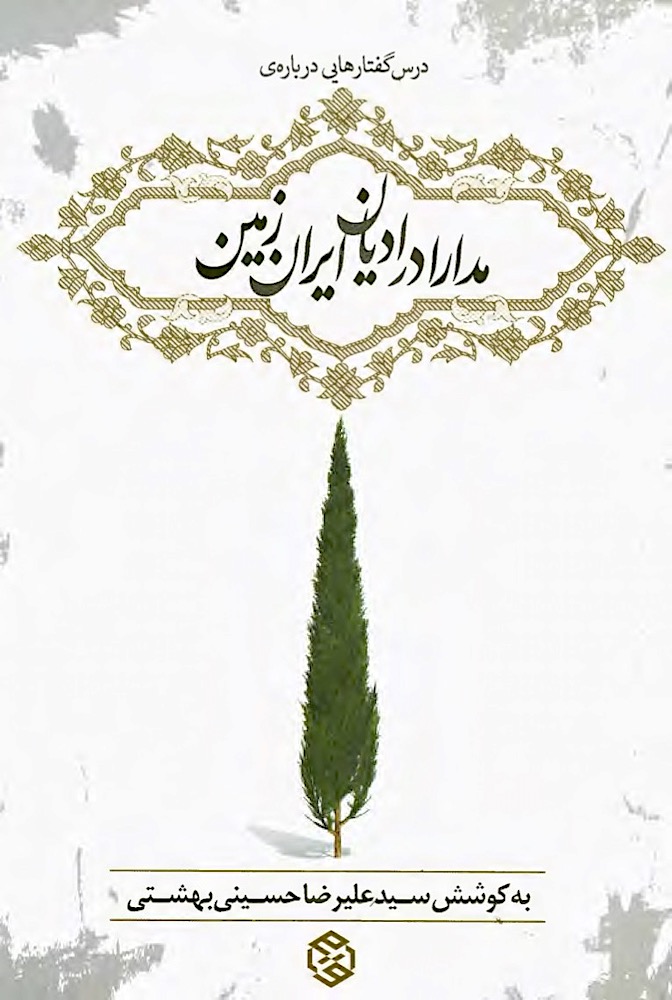
Mudārā dar adyān-i Īrānʹzamīn
مدارا در ادیان ایرانزمین
Price range: £12.33 through £36.50
This edited volume gathers a series of academic lectures examining religious tolerance across the principal faith traditions of the Iranian plateau. Drawing on contributions from specialists in Islamic jurisprudence, Jewish studies, Zoroastrian theology, and Christian ecclesiastical history, the work traces how mudārā — tolerance and coexistence — has been understood, applied, and contested within each tradition. Chapters address Zoroastrianism's foundational attitudes toward other faiths, the history of Judaism across successive historical periods, the evolving doctrine of toleration within the Catholic Church, and the varied interpretations of tolerance within both Sunnī and Shīʻī Islam. The result is a comparative, inter-confessional dialogue rooted in the historical and cultural context of Īrān, offering an important contribution to the study of religious pluralism, interfaith relations, and the enduring intellectual heritage of the Iranian world.
این کتاب مجموعهای از درسگفتارهای علمی است که به بررسی مفهوم مدارا در ادیان اصلی ایرانزمین — از جمله آیین زرتشت، دین یهود، مسیحیت و اسلام در هر دو شاخه سنت و تشیع — میپردازد. نویسندگان این اثر از متخصصان برجسته در حوزههای فقه اسلامی، مطالعات یهودی، الهیات زرتشتی و تاریخ کلیسا هستند و هر کدام با رویکردی تحلیلی و تاریخی به بررسی این موضوع پرداختهاند که چگونه مفهوم مدارا — به معنای تسامح، بردباری و همزیستی مسالمتآمیز — در درون هر سنت دینی شکل گرفته، تفسیر شده و گاه با چالش روبرو شده است. مباحث کتاب از نگرش آیین زرتشت به ادیان دیگر آغاز میشود و به تجربه تاریخی یهودیان در ایران، تحول اندیشه رواداری در کلیسای کاتولیک، و دیدگاههای متنوع اهل سنت و شیعه درباره تساهل دینی میرسد. حاصل کار، گفتوگویی تطبیقی و بینالادیانی است که در بستر تاریخی و فرهنگی ایران ریشه دارد و سهمی ارزشمند در مطالعات کثرتگرایی دینی و روابط بینالادیانی محسوب میشود.
Related products
Book
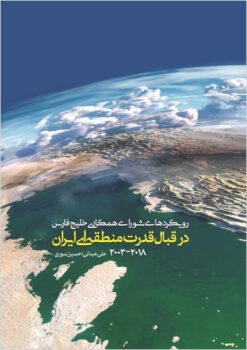
Rūykardʹhā-yi Shūrā-yi Hamkārī-i Khalīj-i Fārs dar qabāl-i qudrat-i minṭaqahʹī-i Īrān (2003-2018)