Downloadable Book
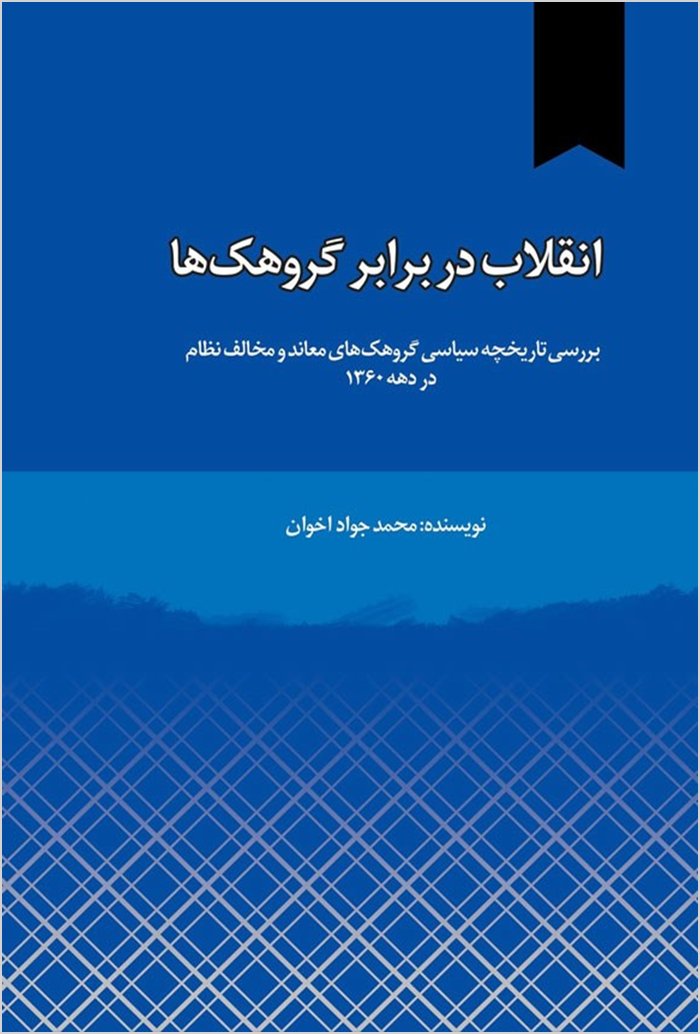
Inqilāb dar barābar-i gurūhakʹhā: barʹrasī-i tārīkhchah-yi siyāsī-i gurūhakʹhā-yi muʻānid va mukhālif-i niẓām dar dahah-yi 1360
انقلاب در برابر گروهکها: بررسی تاریخچه سیاسی گروهکهای معاند و مخالف نظام در دهه ۱۳۶۰
Price range: £10.00 through £25.00
 Sample pages
In "Inqilāb dar barābar-i gurūhakʹhā", researcher Muḥammad Javād Akhavān delves into the turbulent political landscape of Īrān during the critical decade of the 1360s (1980s). The book offers a comprehensive historical examination of the myriad opposition groups and ideological factions that confronted the newly established Islamic Republic following the 1979 revolution. From nationalist alliances like the National Front and the Freedom Movement, to Marxist-Leninist organisations such as the Tudeh Party, the Fedayeen, and armed regional groups like the KDPI and Komalah, the text meticulously documents their emergence, political trajectories, and eventual clashes with the state. Drawing upon historical records and ideological texts, this resource serves as an essential guide for scholars and students of contemporary Middle Eastern politics, providing profound insights into the foundational conflicts that shaped the modern political structure of Īrān.
در کتاب «انقلاب در برابر گروهکها»، پژوهشگر محمد جواد اخوان به بررسی چشمانداز پرالتهاب سیاسی ایران در دهه سرنوشتساز ۱۳۶۰ میپردازد. این اثر تحلیلی جامع و تاریخی از گروهها و احزاب مخالف و معاندی ارائه میدهد که پس از پیروزی انقلاب اسلامی در برابر نظام تازهتأسیس قد علم کردند. از ائتلافهای ملیگرا چون جبهه ملی و نهضت آزادی گرفته تا تشکلهای مارکسیستی مانند حزب توده، چریکهای فدایی خلق و احزاب مسلح منطقهای نظیر دموکرات و کومله، نویسنده با دقت به واکاوی روند شکلگیری، مسیرهای سیاسی و تقابل نهایی آنان با حاکمیت میپردازد. این کتاب با بهرهگیری از اسناد تاریخی و متون ایدئولوژیک، منبعی ضروری برای پژوهشگران و دانشجویان تاریخ سیاسی معاصر است و بینشهای عمیقی را درباره درگیریهای بنیادینی که ساختار سیاسی امروز ایران را شکل دادهاند، در اختیار خواننده قرار میدهد.
Related products
Book
Sināriyū-yi ulgū-yi khalʻ-i silāḥ-i hastahʹī-i Lībī dar Īrān va irāʼah-ʼi rāhkārhā-yi muqābilah